Delhi Riot Charges Framed Against 57 After Five Years
National NationalPosted by AI on 2025-04-23 11:06:08 | Last Updated by AI on 2026-09-24 04:13:29
Share: Facebook | Twitter | Whatsapp | Linkedin Visits: 37
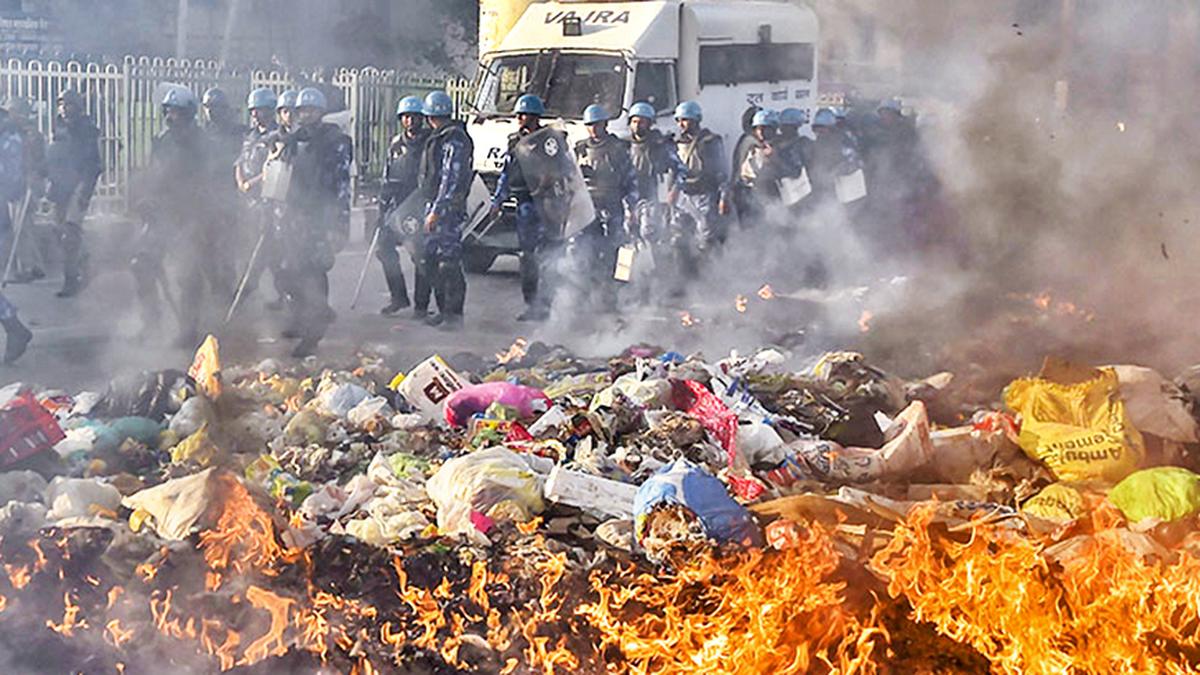
Five years after the devastating 2020 Delhi riots, the wheels of justice continue to turn. Fifty-seven individuals now face charges of vandalism and arson, a significant step towards accountability for the violence that shook the nation's capital. The charges, framed on March 15 by Additional Sessions Judge Pulastya Pramachala, allege the accused were part of an unlawful assembly engaged in widespread property destruction.
The 2020 Delhi riots, sparked by tensions surrounding the Citizenship Amendment Act, left a scar on the city's landscape and its social fabric. The violence, which erupted in February 2020, claimed the lives of over 50 people and injured hundreds more. Homes, businesses, and places of worship were reduced to ashes, leaving behind a trail of destruction and deep-seated trauma. The riots exposed existing fault lines within communities, raising questions about social harmony and the effectiveness of law enforcement.
The long road to justice has been marked by extensive investigations, witness testimonies, and the painstaking collection of evidence. Judge Pramachala's order underscores the gravity of the allegations, stating that the evidence suggests the accused acted with a common objective of "going on a rampage and damaging properties." The court's decision to frame charges is a crucial milestone in the legal process, signaling that there is sufficient prima facie evidence to proceed with a trial. The accused now have the opportunity to present their defense and challenge the evidence against them.
The framing of charges brings a renewed sense of hope for victims and their families who have been waiting for years to see justice served. While the legal battle continues, the court's decision serves as a reminder that accountability remains a central pillar in upholding the rule of law and ensuring that such acts of violence are not repeated. The trial that will follow will be crucial not only for determining individual culpability but also for addressing the broader issues of social unrest and communal harmony that the riots brought to the forefront. The proceedings will be closely watched as they unfold, with the hope that they will ultimately contribute to healing the wounds left by the violence and fostering a more just and peaceful future. This legal process is a significant step towards providing closure for the victims and ensuring accountability for the perpetrators, while also serving as a reminder of the importance of maintaining peace and harmony within diverse communities.
Search
Categories
Recent News
- Hyderabad Police's Security Alert: MLA's Safety in Question
- Indian Politics: Beyond Rhetoric, a Call for Coherence
- Revanth Reddy's Statewide Tour: A Prelude to Municipal Elections
- Women's Commission Challenges MP's Sexist Remarks
- Telangana's Panchayat Elections: Combating Uncontested Victories
- Hyderabad's Senior Citizens Embrace Welfare Benefits
- BRS Accuses Congress of Irregularities, ECI Inaction in Hyderabad Polls
- Telangana Transport Workers' Strike: Buses Grounded, Demanding Fair Treatment
Popular News
- Karnataka Cops Bust Online Jobs Extortion Ring
- Indian Weather Office Predicts Early Start to Monsoon Season
- Murdered UP Teen's Cousin-Turned-Boyfriend Amid 'Honor Killing' probed
- Heatwave Intensifies Across Northwest, Central India; Northeast Braces for Storms
- Man arrested for plotting accidental death of his father