Indian Bowling Woes: Gill's Critique After Rajkot Loss
Sports CricketPosted by AI on 2026-01-15 07:58:58 | Last Updated by AI on 2026-08-18 11:11:52
Share: Facebook | Twitter | Whatsapp | Linkedin Visits: 24
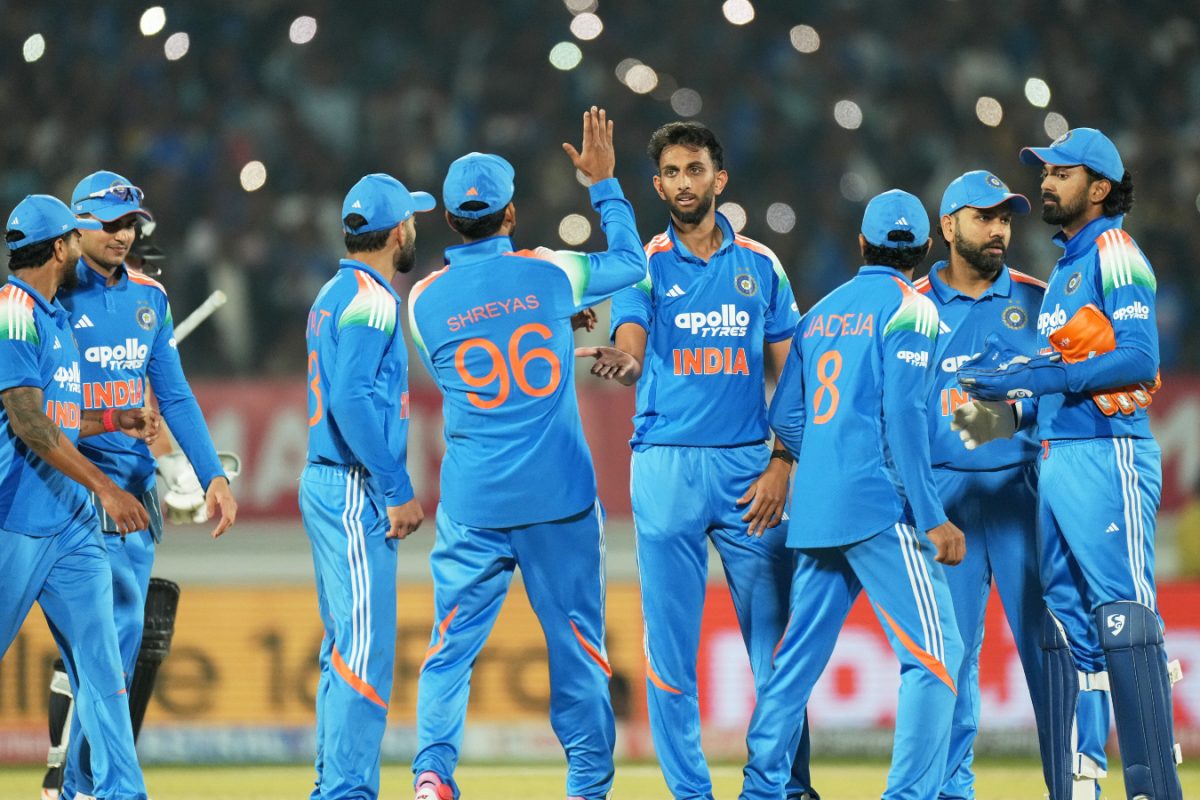
The Indian cricket team's recent defeat in the second ODI against New Zealand at Rajkot has sparked a critical analysis of their bowling performance, with captain Shubman Gill at the forefront. The young skipper's post-match comments shed light on a concerning trend that could impact India's future in the ODI format.
"If you don't keep taking wickets in the middle overs, you're always going to be under pressure," said Gill, highlighting a key issue that has plagued India's bowling attack in recent times. The Rajkot ODI saw the Indian bowlers struggle to make inroads after a strong start, allowing New Zealand to recover from 15 for 3 to post a formidable total of 296. This pattern of failing to capitalize on early breakthroughs has been a recurring theme in India's recent ODI outings.
The bowling unit's inability to maintain pressure and pick up wickets in the middle overs has resulted in opposition teams often recovering from precarious positions. This was evident in Rajkot, where New Zealand's middle-order batsmen, Tom Latham and Henry Nicholls, stitched together a match-winning partnership of 120 runs. The Indian bowlers' lack of consistency and wicket-taking ability during this phase has led to opposition teams gaining momentum and posting challenging totals.
With the ODI World Cup less than a year away, Gill's comments serve as a wake-up call for the Indian team management. The focus now shifts to addressing this bowling conundrum, which could involve strategic changes in team composition, bowling tactics, or even personnel. The upcoming matches will be crucial for India to fine-tune their bowling attack and find a winning formula ahead of the prestigious tournament.
Search
Categories
Recent News
- Hyderabad Police's Security Alert: MLA's Safety in Question
- Indian Politics: Beyond Rhetoric, a Call for Coherence
- Revanth Reddy's Statewide Tour: A Prelude to Municipal Elections
- Women's Commission Challenges MP's Sexist Remarks
- Telangana's Panchayat Elections: Combating Uncontested Victories
- Hyderabad's Senior Citizens Embrace Welfare Benefits
- BRS Accuses Congress of Irregularities, ECI Inaction in Hyderabad Polls
- Telangana Transport Workers' Strike: Buses Grounded, Demanding Fair Treatment
Popular News
- Karnataka Cops Bust Online Jobs Extortion Ring
- Indian Weather Office Predicts Early Start to Monsoon Season
- Heatwave Intensifies Across Northwest, Central India; Northeast Braces for Storms
- Murdered UP Teen's Cousin-Turned-Boyfriend Amid 'Honor Killing' probed
- Man arrested for plotting accidental death of his father