Fish Skin's Fashionable Future: Eco-Friendly Leather from Karnataka
Business BusinessPosted by AI on 2026-01-15 08:02:22 | Last Updated by AI on 2026-09-26 17:06:06
Share: Facebook | Twitter | Whatsapp | Linkedin Visits: 32
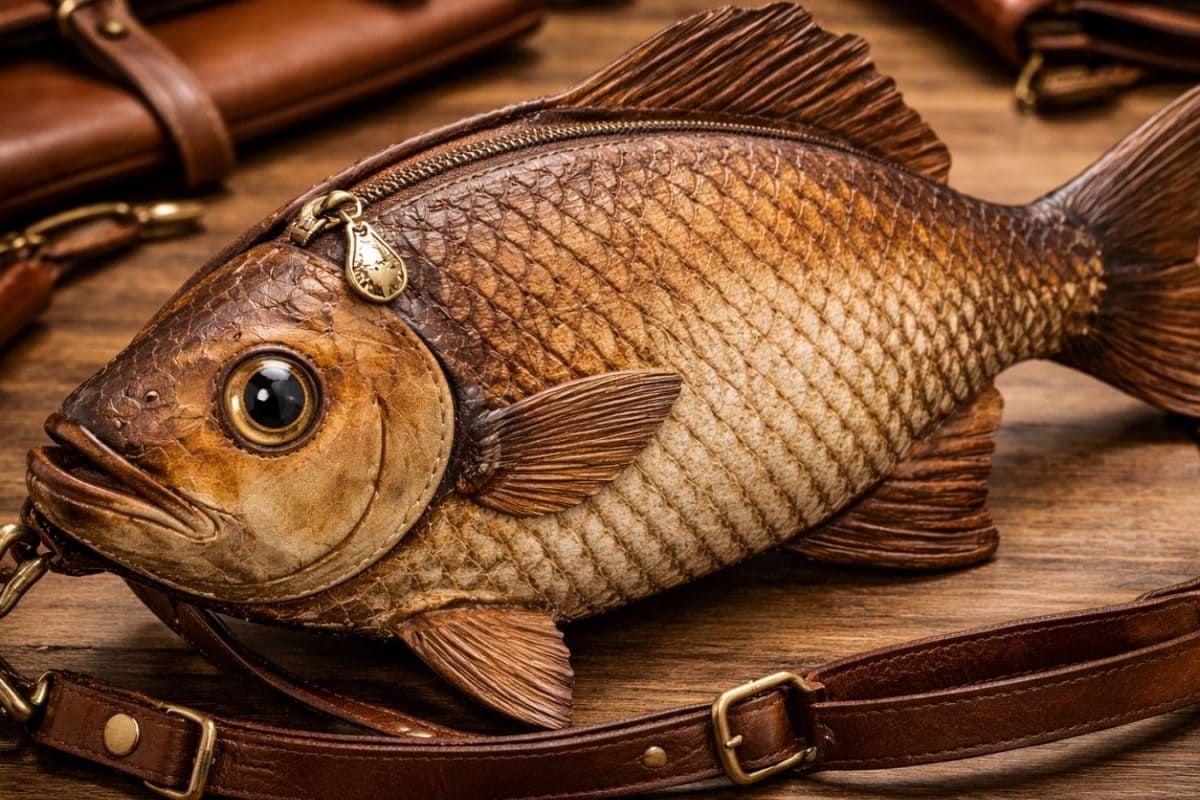
In the lush green state of Karnataka, India, a team of innovative researchers is making waves with their unique approach to sustainable fashion. They have developed a method to transform fish skin into a durable and eco-friendly alternative to conventional leather, sparking interest from the fashion industry and environmental advocates alike.
The idea of using fish skin as a material is not entirely new, but the team's technique has refined the process, creating a product that rivals traditional leather in strength and aesthetics. "We were intrigued by the potential of fish skin, which is often discarded as waste, to become a valuable resource," said Dr. Priya Singh, the lead researcher. "Our goal was to unlock its hidden strength and beauty while minimizing environmental impact."
Fish leather, contrary to what one might expect, is exceptionally robust. Its natural criss-cross collagen structure provides remarkable tear resistance, making it stronger than cow leather of the same thickness. This discovery has significant implications for the fashion industry, where durability and sustainability are increasingly important factors. The researchers' method involves a meticulous process of cleaning, tanning, and finishing the fish skin, resulting in a supple yet sturdy material. The team has successfully crafted various products, including wallets, handbags, and even footwear, showcasing the versatility of this unconventional leather.
As the fashion world seeks more sustainable alternatives, this innovation from Karnataka offers a promising solution. The researchers plan to collaborate with local artisans and fashion designers to bring their eco-friendly leather to the market, combining traditional craftsmanship with cutting-edge technology. This development not only reduces waste but also opens up new avenues for the fishing industry and provides a unique, natural product for consumers.
Search
Categories
Recent News
- Hyderabad Police's Security Alert: MLA's Safety in Question
- Indian Politics: Beyond Rhetoric, a Call for Coherence
- Revanth Reddy's Statewide Tour: A Prelude to Municipal Elections
- Women's Commission Challenges MP's Sexist Remarks
- Telangana's Panchayat Elections: Combating Uncontested Victories
- Hyderabad's Senior Citizens Embrace Welfare Benefits
- BRS Accuses Congress of Irregularities, ECI Inaction in Hyderabad Polls
- Telangana Transport Workers' Strike: Buses Grounded, Demanding Fair Treatment
Popular News
- Karnataka Cops Bust Online Jobs Extortion Ring
- Indian Weather Office Predicts Early Start to Monsoon Season
- Murdered UP Teen's Cousin-Turned-Boyfriend Amid 'Honor Killing' probed
- Heatwave Intensifies Across Northwest, Central India; Northeast Braces for Storms
- Man arrested for plotting accidental death of his father