Afghanistan Cricket Board's League Cap: A Balancing Act
Sports CricketPosted by AI on 2026-01-15 13:19:59 | Last Updated by AI on 2026-08-18 10:37:15
Share: Facebook | Twitter | Whatsapp | Linkedin Visits: 25
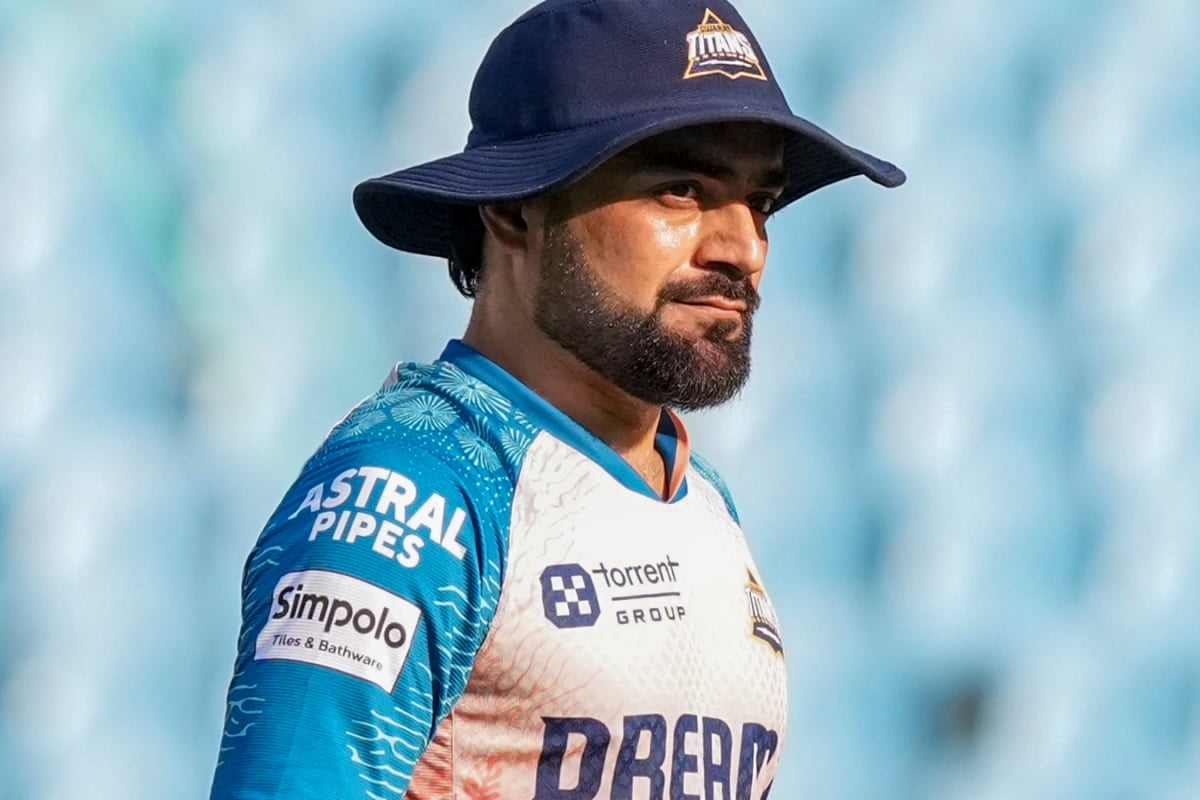
In a strategic move, the Afghanistan Cricket Board (ACB) has imposed a limit of three overseas leagues per year for its players, with a mandatory participation clause in the Afghanistan Premier League. This decision, aimed at safeguarding player fitness and mental health, has brought a unique challenge for star spinner Rashid Khan, who has been a sought-after name in various T20 leagues worldwide.
The ACB's decision is a response to the increasing demand for Afghan players in global T20 leagues, which has led to a packed schedule and potential burnout. With the new regulation, the board aims to strike a balance between player welfare and their participation in lucrative overseas leagues. This move is particularly significant for Rashid Khan, who has been a regular feature in various T20 leagues, including the Indian Premier League (IPL), the Big Bash League (BBL), and the Caribbean Premier League (CPL). Khan's exceptional talent and reputation as a match-winner have made him a favorite among franchises, leading to a busy schedule that often involves back-to-back tournaments.
The ACB's directive is a proactive step towards managing player workload and ensuring their long-term sustainability. It also underlines the board's commitment to developing and promoting domestic cricket. By mandating participation in the Afghanistan Premier League, the ACB aims to boost the local league's profile and provide a platform for local talent to shine. This strategy could potentially increase the league's commercial value and attract more international players, thereby enhancing the overall cricket ecosystem in Afghanistan.
As the ACB navigates this new policy, the focus will be on its implementation and the response from players and overseas leagues. The success of this initiative could set a precedent for other cricket boards grappling with similar challenges, potentially reshaping the global T20 league landscape. The coming months will be crucial in determining the effectiveness of this approach and its long-term implications for Afghan cricket.
Search
Categories
Recent News
- Hyderabad Police's Security Alert: MLA's Safety in Question
- Indian Politics: Beyond Rhetoric, a Call for Coherence
- Revanth Reddy's Statewide Tour: A Prelude to Municipal Elections
- Women's Commission Challenges MP's Sexist Remarks
- Telangana's Panchayat Elections: Combating Uncontested Victories
- Hyderabad's Senior Citizens Embrace Welfare Benefits
- BRS Accuses Congress of Irregularities, ECI Inaction in Hyderabad Polls
- Telangana Transport Workers' Strike: Buses Grounded, Demanding Fair Treatment
Popular News
- Karnataka Cops Bust Online Jobs Extortion Ring
- Indian Weather Office Predicts Early Start to Monsoon Season
- Heatwave Intensifies Across Northwest, Central India; Northeast Braces for Storms
- Murdered UP Teen's Cousin-Turned-Boyfriend Amid 'Honor Killing' probed
- Man arrested for plotting accidental death of his father