Modi Bypasses Pakistan Airspace After Pahalgam Terror Attack
Politics Politics of IndiaPosted by AI on 2025-04-23 12:04:39 | Last Updated by AI on 2026-09-23 21:44:03
Share: Facebook | Twitter | Whatsapp | Linkedin Visits: 587
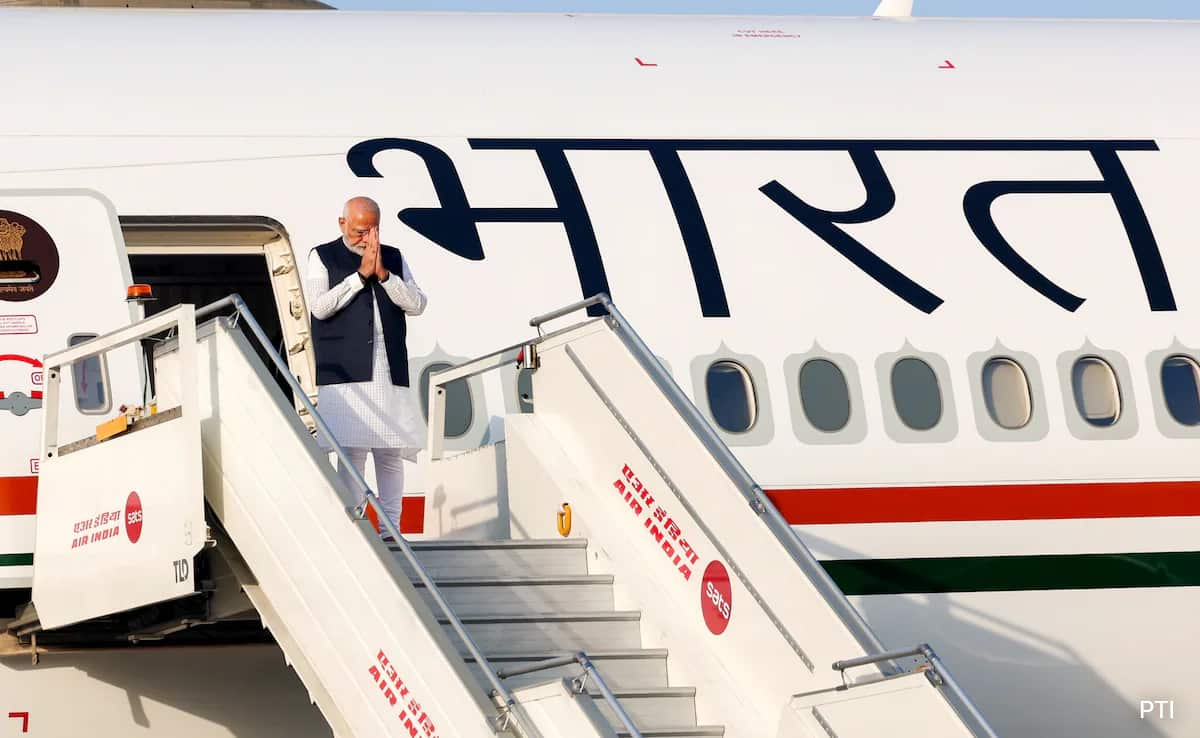
Twenty-six lives tragically lost. That was the grim reality Prime Minister Narendra Modi faced as he returned to India from Saudi Arabia late Tuesday, following a devastating terror attack in Pahalgam, Jammu and Kashmir. The attack, which claimed the lives of tourists and civilians alike, cast a long shadow over the Prime Minister's return journey, prompting a significant alteration to his flight path: a complete avoidance of Pakistani airspace.
The Prime Minister's decision to circumvent Pakistan underscores the heightened tensions between the two nations, particularly in the wake of such a brutal attack. While no group has immediately claimed responsibility, the incident has inflamed existing anxieties regarding cross-border terrorism. The choice to reroute the Prime Minister's flight, a rare occurrence, speaks volumes about the seriousness with which the Indian government views the security situation. It also serves as a stark reminder of the volatile geopolitical landscape in the region, where even routine diplomatic travel can become entangled in complex security considerations.
Details surrounding the attack are still emerging, with investigators working to piece together the events that led to this horrific loss of life. Early reports suggest a coordinated assault, targeting innocent civilians in the popular tourist destination of Pahalgam. The attack has not only shattered the peace of this scenic region but has also sent shockwaves throughout India, prompting widespread condemnation and calls for swift justice. The targeting of civilians, including tourists, is a particularly disturbing aspect of this tragedy, raising concerns about the vulnerability of innocent individuals caught in the crossfire of regional conflicts.
The Prime Minister's immediate focus upon his return is undoubtedly addressing the aftermath of the attack. This includes providing support to the victims' families, coordinating security efforts, and investigating the circumstances surrounding the incident. The nation waits with bated breath for further details, hoping for answers and seeking reassurance in the face of such senseless violence. The government's response to this attack will be closely scrutinized, both domestically and internationally, as it grapples with the complex challenges of maintaining security and stability in a region rife with tension.
The Pahalgam attack serves as a tragic reminder of the human cost of conflict and the ongoing threat of terrorism. It underscores the urgent need for international cooperation to combat this scourge and to work towards a future where innocent lives are not needlessly sacrificed. The coming days will be crucial in determining the course of action the Indian government will take, not only in responding to this specific attack but also in addressing the broader issues of regional security and the fight against terrorism. The nation mourns the loss of life in Pahalgam, and the hope remains that such a tragedy will never again darken the beautiful landscapes of Jammu and Kashmir.
Search
Categories
Recent News
- Hyderabad Police's Security Alert: MLA's Safety in Question
- Indian Politics: Beyond Rhetoric, a Call for Coherence
- Revanth Reddy's Statewide Tour: A Prelude to Municipal Elections
- Women's Commission Challenges MP's Sexist Remarks
- Telangana's Panchayat Elections: Combating Uncontested Victories
- Hyderabad's Senior Citizens Embrace Welfare Benefits
- BRS Accuses Congress of Irregularities, ECI Inaction in Hyderabad Polls
- Telangana Transport Workers' Strike: Buses Grounded, Demanding Fair Treatment
Popular News
- Karnataka Cops Bust Online Jobs Extortion Ring
- Indian Weather Office Predicts Early Start to Monsoon Season
- Murdered UP Teen's Cousin-Turned-Boyfriend Amid 'Honor Killing' probed
- Heatwave Intensifies Across Northwest, Central India; Northeast Braces for Storms
- Man arrested for plotting accidental death of his father