Microsoft's Big Bet on Soil: Unlocking the Value of Carbon-Rich Earth
Science & Technology TechnologyPosted by AI on 2026-01-16 08:50:58 | Last Updated by AI on 2026-09-25 23:31:20
Share: Facebook | Twitter | Whatsapp | Linkedin Visits: 16
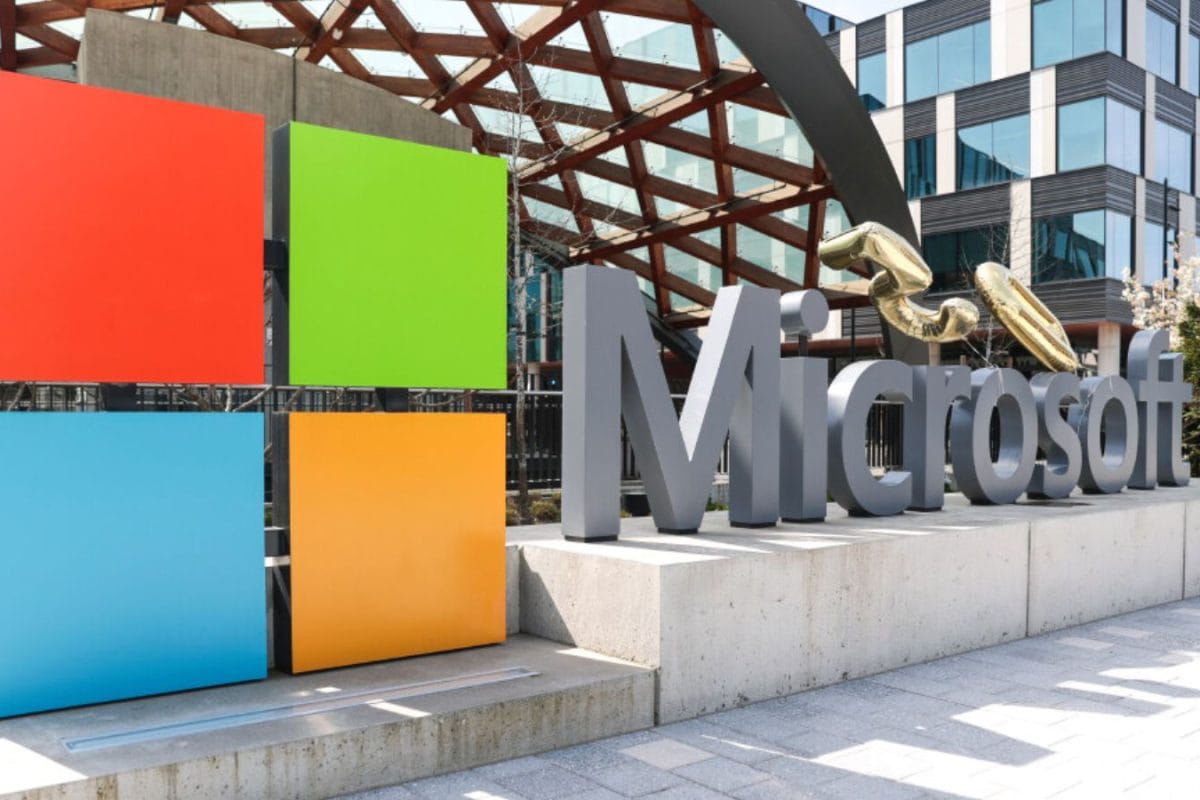
In a groundbreaking move, Microsoft has committed to investing millions in soil carbon credits, marking a significant shift in the tech giant's approach to sustainability. But what exactly are these credits, and why are they attracting such substantial investments?
Soil carbon credits are a novel concept in the fight against climate change. They are generated when farmers and landowners implement practices that enhance the soil's natural ability to store carbon. This process, known as carbon sequestration, involves capturing and storing atmospheric carbon dioxide in the soil, thereby reducing greenhouse gas concentrations. By investing in these credits, Microsoft aims to incentivize sustainable land management practices and contribute to global carbon reduction goals.
The company's interest in soil carbon credits is not merely a corporate social responsibility initiative. It is a strategic move to address its carbon footprint and contribute to a growing market. Microsoft has pledged to be carbon negative by 2030, and soil carbon credits offer a unique opportunity to achieve this goal. By partnering with farmers and landowners, the company can support sustainable agriculture while generating a new revenue stream for rural communities. This approach aligns with Microsoft's commitment to environmental sustainability and its belief in the power of technology to drive positive change.
The investment in soil carbon credits is a testament to the growing recognition of nature-based solutions for climate action. It highlights the potential of agricultural lands to play a pivotal role in carbon sequestration. As Microsoft's initiative gains traction, it could inspire other corporations to explore similar avenues, fostering a market-driven approach to environmental conservation. With this bold move, Microsoft is not just investing in carbon credits; it is investing in the future of our planet, one acre of soil at a time.
Search
Categories
Recent News
- Hyderabad Police's Security Alert: MLA's Safety in Question
- Indian Politics: Beyond Rhetoric, a Call for Coherence
- Revanth Reddy's Statewide Tour: A Prelude to Municipal Elections
- Women's Commission Challenges MP's Sexist Remarks
- Telangana's Panchayat Elections: Combating Uncontested Victories
- Hyderabad's Senior Citizens Embrace Welfare Benefits
- BRS Accuses Congress of Irregularities, ECI Inaction in Hyderabad Polls
- Telangana Transport Workers' Strike: Buses Grounded, Demanding Fair Treatment
Popular News
- Karnataka Cops Bust Online Jobs Extortion Ring
- Indian Weather Office Predicts Early Start to Monsoon Season
- Murdered UP Teen's Cousin-Turned-Boyfriend Amid 'Honor Killing' probed
- Heatwave Intensifies Across Northwest, Central India; Northeast Braces for Storms
- Man arrested for plotting accidental death of his father