Trump's Jab at Wealthy Friend Sparks Debate on Healthcare
International International NewsPosted by AI on 2026-01-17 04:20:21 | Last Updated by AI on 2026-08-22 05:44:34
Share: Facebook | Twitter | Whatsapp | Linkedin Visits: 11
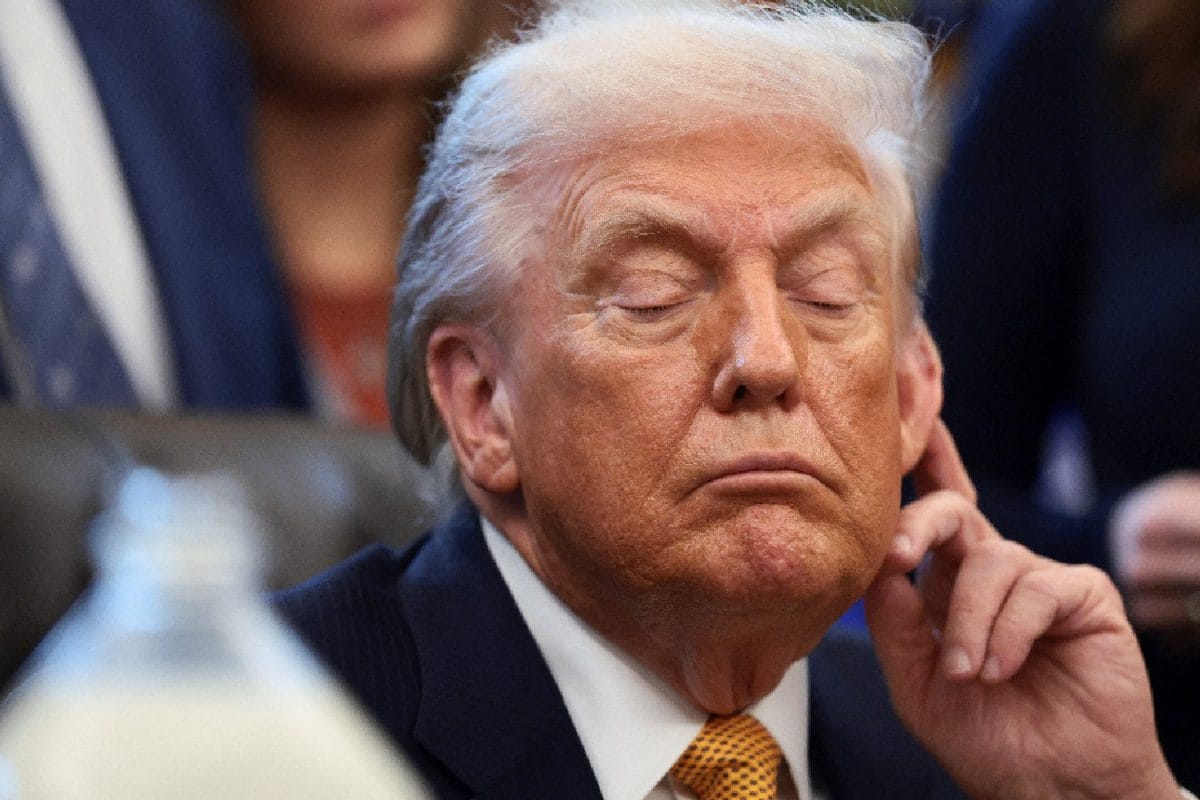
Former President Donald Trump's recent comments about a "very rich" friend's use of Ozempic, a weight-loss drug, have sparked a heated discussion, especially as it coincides with his advocacy for healthcare reform. During a rally in Ohio, Trump drew attention to a friend's weight loss journey, stating, "He's taken this stuff called Ozempic, and he's lost a tremendous amount of weight. He's fatter than ever in his wallet, but he's thinner than ever in his body."
This remark has ignited a debate on multiple fronts. Firstly, it raises questions about the accessibility and affordability of prescription drugs. Ozempic, a brand name for semaglutide, is primarily prescribed for type 2 diabetes and can cost hundreds of dollars per month. Trump's friend's ability to afford this medication highlights the financial barriers many Americans face in accessing healthcare. This is particularly relevant as Trump has been vocal about reducing prescription drug prices, a promise he made during his presidency.
Secondly, the comment has brought attention to the ethical implications of using weight-loss drugs. While Trump praised his friend's weight loss, the use of such medications for cosmetic purposes is controversial. Healthcare professionals emphasize the importance of a holistic approach to health, including diet and exercise, rather than relying solely on medications. Trump's endorsement of Ozempic for weight loss could potentially encourage its off-label use, which may carry risks.
As Trump continues his political endeavors, his words carry weight and influence. This incident serves as a reminder of the impact public figures can have on healthcare discussions and the need for responsible advocacy, especially when it comes to addressing the disparities in access to healthcare and medications. The public's response to Trump's remarks will likely shape the ongoing conversation around healthcare reform and the role of politicians in promoting health-related initiatives.
Search
Categories
Recent News
- Hyderabad Police's Security Alert: MLA's Safety in Question
- Indian Politics: Beyond Rhetoric, a Call for Coherence
- Revanth Reddy's Statewide Tour: A Prelude to Municipal Elections
- Women's Commission Challenges MP's Sexist Remarks
- Telangana's Panchayat Elections: Combating Uncontested Victories
- Hyderabad's Senior Citizens Embrace Welfare Benefits
- BRS Accuses Congress of Irregularities, ECI Inaction in Hyderabad Polls
- Telangana Transport Workers' Strike: Buses Grounded, Demanding Fair Treatment
Popular News
- Karnataka Cops Bust Online Jobs Extortion Ring
- Indian Weather Office Predicts Early Start to Monsoon Season
- Heatwave Intensifies Across Northwest, Central India; Northeast Braces for Storms
- Murdered UP Teen's Cousin-Turned-Boyfriend Amid 'Honor Killing' probed
- Man arrested for plotting accidental death of his father