China's Diplomatic Move: A Balancing Act in Iran's Turmoil
International International NewsPosted by AI on 2026-01-17 13:15:40 | Last Updated by AI on 2026-08-22 05:53:22
Share: Facebook | Twitter | Whatsapp | Linkedin Visits: 13
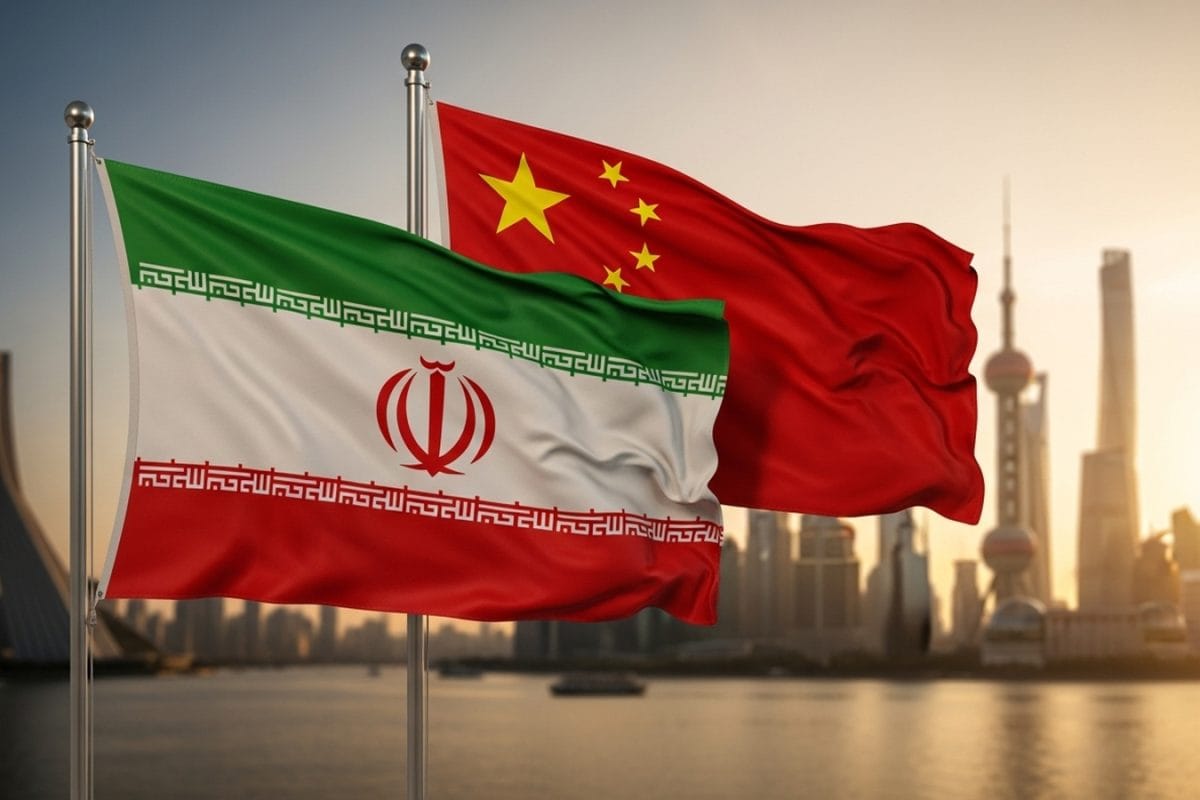
Amidst the ongoing protests and escalating tensions in Iran, a diplomatic dialogue between two global powers has taken center stage. China's Foreign Minister, Wang Yi, and his Iranian counterpart, Ali Araghchi, engaged in a crucial discussion, with China advocating for stability and dialogue while opposing US intervention. This conversation comes at a critical juncture as Iran grapples with widespread unrest, resulting in a staggering 2,677 deaths and 19,097 detentions in Tehran alone.
The talks between the two ministers focused on finding a peaceful resolution to the crisis. Minister Wang emphasized China's stance, stating that dialogue and negotiation are the only viable paths to resolving differences and maintaining regional stability. He urged all parties to exercise restraint and avoid actions that could further escalate the situation. China's support for Iran's sovereignty and territorial integrity was reiterated, along with a call for respect for the country's independence in international affairs.
This diplomatic engagement reflects China's strategic approach to foreign policy. By backing dialogue, China positions itself as a mediator, potentially gaining influence in the region. However, the rising death toll and detentions in Iran's protests underscore the challenges ahead. The international community watches closely as China's diplomatic efforts unfold, hoping for a peaceful resolution to the crisis while navigating the complex dynamics of Middle Eastern politics.
As the world awaits further developments, the outcome of these diplomatic discussions could significantly impact the trajectory of Iran's future and the region's stability. The delicate balance between supporting stability and respecting Iran's autonomy will be a critical factor in determining the success of China's diplomatic initiative.
Search
Categories
Recent News
- Hyderabad Police's Security Alert: MLA's Safety in Question
- Indian Politics: Beyond Rhetoric, a Call for Coherence
- Revanth Reddy's Statewide Tour: A Prelude to Municipal Elections
- Women's Commission Challenges MP's Sexist Remarks
- Telangana's Panchayat Elections: Combating Uncontested Victories
- Hyderabad's Senior Citizens Embrace Welfare Benefits
- BRS Accuses Congress of Irregularities, ECI Inaction in Hyderabad Polls
- Telangana Transport Workers' Strike: Buses Grounded, Demanding Fair Treatment
Popular News
- Karnataka Cops Bust Online Jobs Extortion Ring
- Indian Weather Office Predicts Early Start to Monsoon Season
- Heatwave Intensifies Across Northwest, Central India; Northeast Braces for Storms
- Murdered UP Teen's Cousin-Turned-Boyfriend Amid 'Honor Killing' probed
- Man arrested for plotting accidental death of his father