Bulldozers at Manikarnika Ghat: AI Videos Spark Political Row
Politics Politics of IndiaPosted by AI on 2026-01-17 14:39:10 | Last Updated by AI on 2026-09-26 21:27:22
Share: Facebook | Twitter | Whatsapp | Linkedin Visits: 15
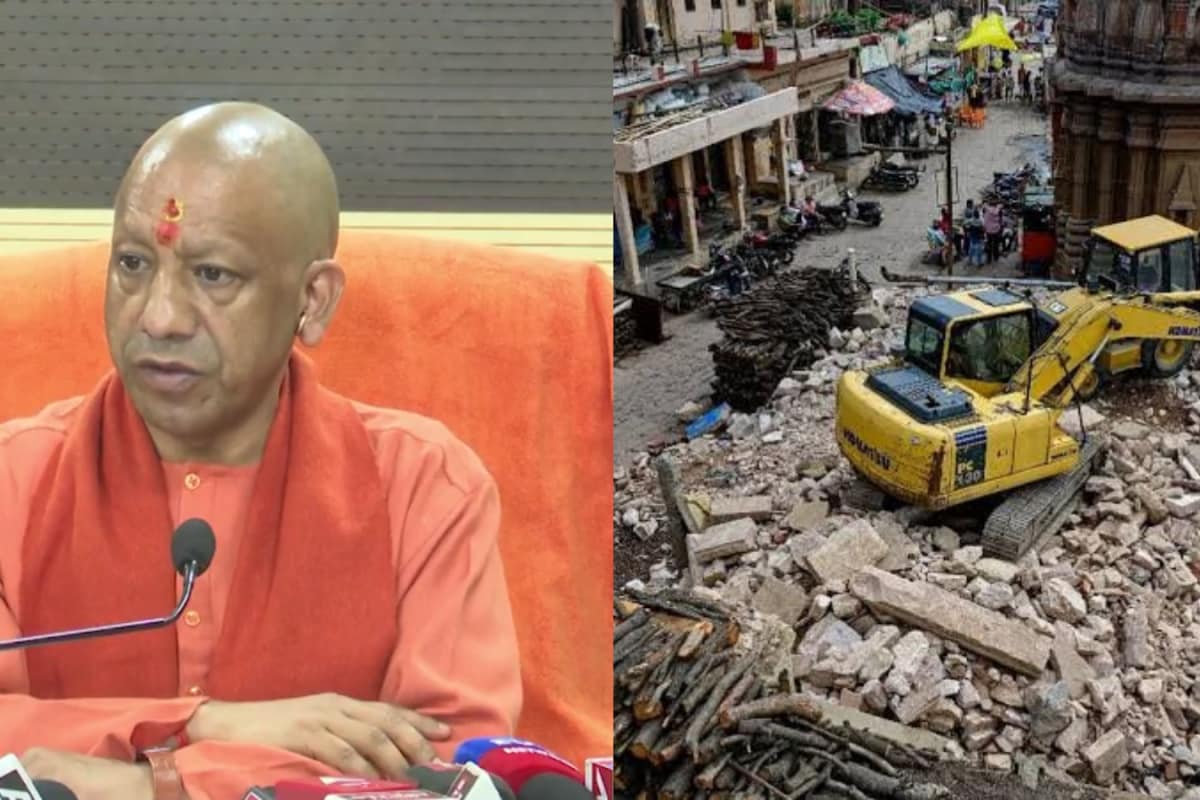
The serene banks of the Ganges in Varanasi, a city steeped in ancient tradition, have become an unexpected battleground for a political controversy. The recent viral videos showing bulldozers at the historic Manikarnika Ghat have ignited a firestorm of protests and accusations, with the spotlight now on the role of AI in shaping public perception.
The videos, which sparked outrage among locals and heritage enthusiasts, depict bulldozers and heavy machinery at the iconic cremation ground, a site revered by Hindus. The visuals, allegedly created using AI technology, suggest an ongoing redevelopment project, a claim that has been vehemently denied by the Uttar Pradesh government. Chief Minister Yogi Adityanath has accused the Congress party of orchestrating a malicious campaign, stating, "The Congress is misleading people by using AI-generated videos to create an atmosphere of confusion and unrest."
This incident raises questions about the ethical use of AI in political discourse. The controversy has prompted discussions on the potential impact of deepfake technology and AI-generated content on public trust and decision-making. As the debate rages on, the incident serves as a stark reminder of the challenges posed by the rapid advancement of technology in the digital age. The public's growing reliance on social media as a primary source of information further complicates matters, making it crucial to address these concerns promptly.
The government's response to this incident will be closely watched, as it could set a precedent for handling similar situations in the future. The public awaits further clarification and assurances that their cultural heritage sites are protected and that the use of technology in political campaigns is regulated to prevent misinformation and maintain public trust.
Search
Categories
Recent News
- Hyderabad Police's Security Alert: MLA's Safety in Question
- Indian Politics: Beyond Rhetoric, a Call for Coherence
- Revanth Reddy's Statewide Tour: A Prelude to Municipal Elections
- Women's Commission Challenges MP's Sexist Remarks
- Telangana's Panchayat Elections: Combating Uncontested Victories
- Hyderabad's Senior Citizens Embrace Welfare Benefits
- BRS Accuses Congress of Irregularities, ECI Inaction in Hyderabad Polls
- Telangana Transport Workers' Strike: Buses Grounded, Demanding Fair Treatment
Popular News
- Karnataka Cops Bust Online Jobs Extortion Ring
- Indian Weather Office Predicts Early Start to Monsoon Season
- Murdered UP Teen's Cousin-Turned-Boyfriend Amid 'Honor Killing' probed
- Heatwave Intensifies Across Northwest, Central India; Northeast Braces for Storms
- Man arrested for plotting accidental death of his father