Tehran's Deadly Crackdown: A Protester's Tragic End
International International NewsPosted by AI on 2026-01-17 17:06:13 | Last Updated by AI on 2026-08-22 06:02:21
Share: Facebook | Twitter | Whatsapp | Linkedin Visits: 12
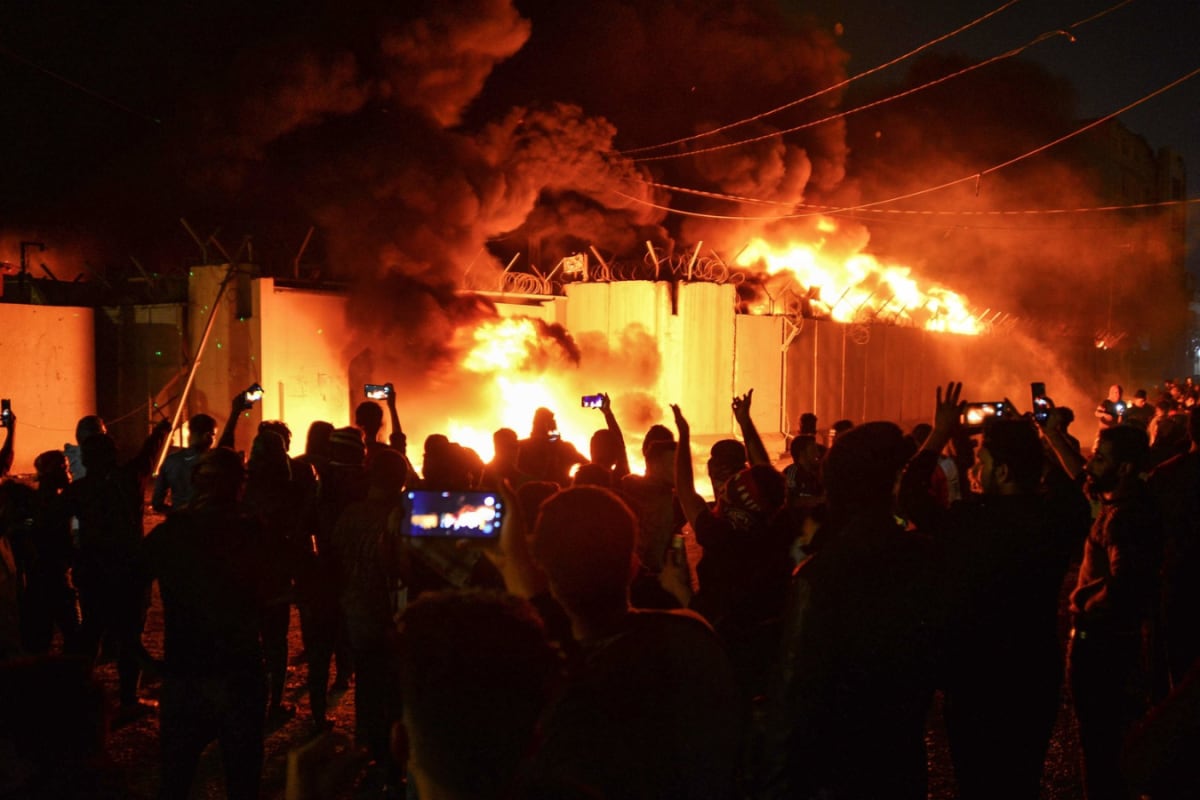
The streets of Tehran became a deadly battleground on January 8 as security forces unleashed a brutal crackdown on protesters, leaving a trail of blood and tragedy in their wake. Among the victims was Reza Eskandarpour, a resident whose life was abruptly cut short by a sniper's bullet.
Eskandarpour, a participant in the protests, became a symbol of the escalating violence when he was struck by six rounds of live fire. The sniper, positioned strategically, aimed with deadly precision, ensuring Eskandarpour had little chance of survival. This incident marked a grim turning point in the protests, as the use of live ammunition against unarmed civilians sparked widespread outrage.
The Iranian government's response to the protests has been characterized by a heavy-handed approach, with security forces employing excessive force to quell dissent. The use of snipers and live ammunition against protesters has resulted in multiple fatalities and injuries, raising serious concerns about human rights violations. The international community has condemned these actions, calling for accountability and an end to the violence.
As the death toll rises, the world watches with growing concern. The tragic loss of Eskandarpour and others like him serves as a stark reminder of the urgent need for peaceful resolution and respect for human life. The Iranian authorities must address the underlying grievances of the protesters and engage in meaningful dialogue to prevent further bloodshed. The international community's role in advocating for human rights and democracy in Iran is now more crucial than ever.
Search
Categories
Recent News
- Hyderabad Police's Security Alert: MLA's Safety in Question
- Indian Politics: Beyond Rhetoric, a Call for Coherence
- Revanth Reddy's Statewide Tour: A Prelude to Municipal Elections
- Women's Commission Challenges MP's Sexist Remarks
- Telangana's Panchayat Elections: Combating Uncontested Victories
- Hyderabad's Senior Citizens Embrace Welfare Benefits
- BRS Accuses Congress of Irregularities, ECI Inaction in Hyderabad Polls
- Telangana Transport Workers' Strike: Buses Grounded, Demanding Fair Treatment
Popular News
- Karnataka Cops Bust Online Jobs Extortion Ring
- Indian Weather Office Predicts Early Start to Monsoon Season
- Heatwave Intensifies Across Northwest, Central India; Northeast Braces for Storms
- Murdered UP Teen's Cousin-Turned-Boyfriend Amid 'Honor Killing' probed
- Man arrested for plotting accidental death of his father