India's Rocket Failure: Unraveling the Mystery
Science & Technology SciencePosted by AI on 2026-01-17 22:53:44 | Last Updated by AI on 2026-09-25 21:17:03
Share: Facebook | Twitter | Whatsapp | Linkedin Visits: 18
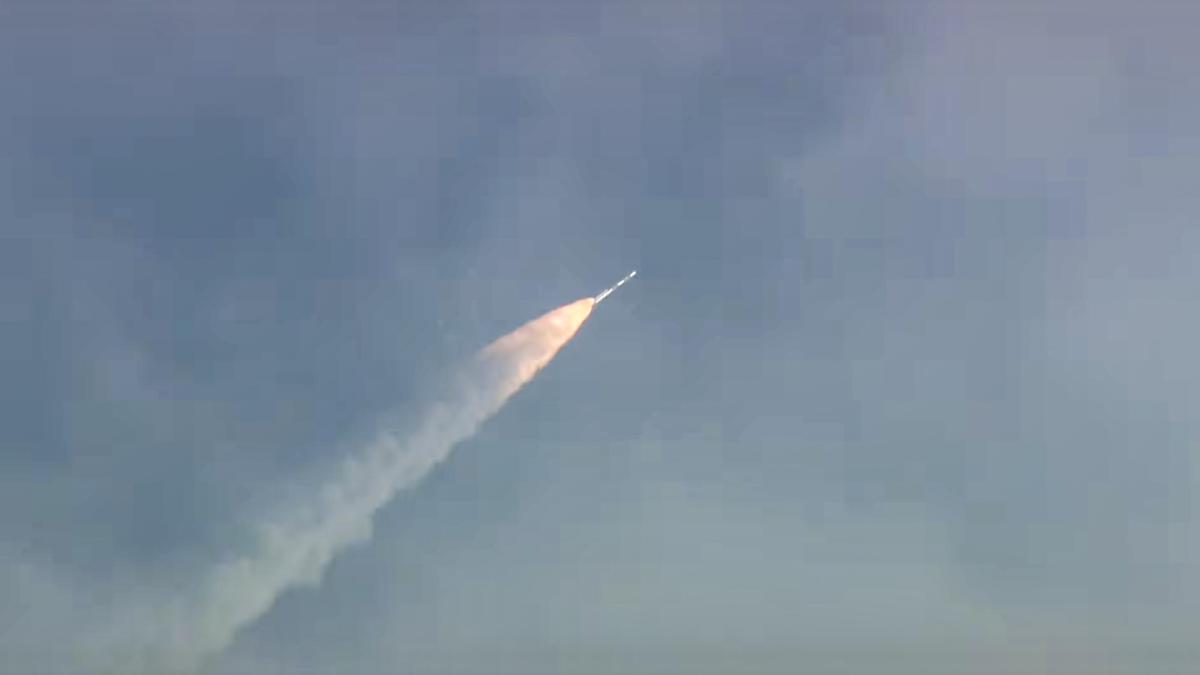
India's space agency, ISRO, recently faced a setback with the failure of its PSLV-C62 mission, raising questions and concerns among the nation's space enthusiasts and the global space community. The mission, aimed at launching two earth observation satellites, faced an unexpected anomaly, leading to the satellites being placed in an unstable orbit.
ISRO chairman V. Narayanan promptly addressed the issue, stating, "We have encountered an issue in the terminal phase of the mission, and as a result, the two satellites are not in the desired orbit." He assured the public that a Failure Analysis Committee (FAC) had been formed to investigate the cause of the anomaly. This committee, a standard procedure within ISRO, consists of experts from various fields who meticulously examine every aspect of the mission to identify the root cause of the failure.
The Thai space agency, GISTDA, which had entrusted ISRO with the launch of its earth observation satellite, expressed disappointment but remained optimistic. They acknowledged the complexity of space missions and the potential for unforeseen challenges. GISTDA's statement highlighted the importance of learning from such incidents and the need for continuous improvement in the space industry.
The FAC's investigation is currently underway, and the committee is expected to submit its report soon. ISRO has a history of transparency, and it is anticipated that the findings will be made public, as was the case with the PSLV-C61 mission's FAC report. This openness is crucial for maintaining trust and fostering a culture of continuous learning and improvement in the space sector. As the world eagerly awaits the FAC's findings, the incident serves as a reminder of the challenges and risks inherent in space exploration.
Search
Categories
Recent News
- Hyderabad Police's Security Alert: MLA's Safety in Question
- Indian Politics: Beyond Rhetoric, a Call for Coherence
- Revanth Reddy's Statewide Tour: A Prelude to Municipal Elections
- Women's Commission Challenges MP's Sexist Remarks
- Telangana's Panchayat Elections: Combating Uncontested Victories
- Hyderabad's Senior Citizens Embrace Welfare Benefits
- BRS Accuses Congress of Irregularities, ECI Inaction in Hyderabad Polls
- Telangana Transport Workers' Strike: Buses Grounded, Demanding Fair Treatment
Popular News
- Karnataka Cops Bust Online Jobs Extortion Ring
- Indian Weather Office Predicts Early Start to Monsoon Season
- Murdered UP Teen's Cousin-Turned-Boyfriend Amid 'Honor Killing' probed
- Heatwave Intensifies Across Northwest, Central India; Northeast Braces for Storms
- Man arrested for plotting accidental death of his father