Tata Trust's Board Meeting Abruptly Cancelled: What's the Story?
Business IndustryPosted by AI on 2026-01-18 09:56:11 | Last Updated by AI on 2026-09-26 12:35:17
Share: Facebook | Twitter | Whatsapp | Linkedin Visits: 15
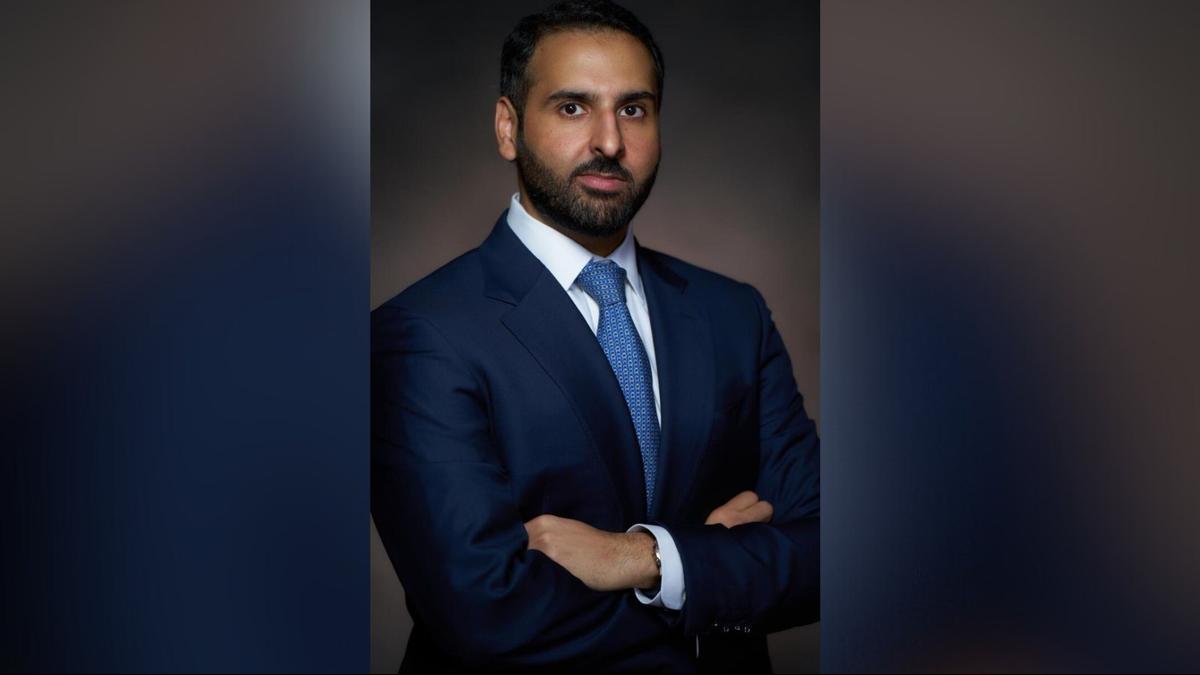
In a surprising turn of events, the highly anticipated board meeting of the Sir Ratan Tata Trust (SRTT) has been cancelled, leaving many questions unanswered. The meeting, scheduled to appoint Neville Tata as a trustee, was expected to be a significant event in the Tata Group's leadership transition. However, the cancellation raises concerns about the future direction of the trust and its impact on the group's overall governance.
The SRTT, a prominent philanthropic organization within the Tata Group, has been a cornerstone of the conglomerate's social initiatives. With a rich history dating back to 1919, the trust has played a pivotal role in various sectors, including healthcare, education, and rural development. The current trustees, including Noel Tata, Venu Srinivasan, Vijay Singh, Jimmy N. Tata, Jehangir H.C. Jehangir, and Darius Khambata, have been instrumental in steering the trust's activities and ensuring its alignment with the group's values.
The proposed appointment of Neville Tata, son of former Tata Sons chairman Ratan Tata, was seen as a strategic move to bring fresh perspectives and continuity to the trust's leadership. However, the sudden cancellation of the board meeting has sparked speculation about the reasons behind this decision. Sources close to the matter suggest that the cancellation may be related to ongoing discussions and strategic planning within the Tata Group, particularly regarding the recent leadership changes at Tata Sons.
As the Tata Group navigates this leadership transition, the focus now shifts to the future of the SRTT and its role in the group's philanthropic endeavors. The trust's upcoming moves will be closely watched by stakeholders, as they have the potential to shape the group's social impact and engagement with the wider community. With the cancellation of this crucial board meeting, the Tata Group's leadership will need to provide clarity and reassurance to maintain trust and transparency in their governance processes.
Search
Categories
Recent News
- Hyderabad Police's Security Alert: MLA's Safety in Question
- Indian Politics: Beyond Rhetoric, a Call for Coherence
- Revanth Reddy's Statewide Tour: A Prelude to Municipal Elections
- Women's Commission Challenges MP's Sexist Remarks
- Telangana's Panchayat Elections: Combating Uncontested Victories
- Hyderabad's Senior Citizens Embrace Welfare Benefits
- BRS Accuses Congress of Irregularities, ECI Inaction in Hyderabad Polls
- Telangana Transport Workers' Strike: Buses Grounded, Demanding Fair Treatment
Popular News
- Karnataka Cops Bust Online Jobs Extortion Ring
- Indian Weather Office Predicts Early Start to Monsoon Season
- Murdered UP Teen's Cousin-Turned-Boyfriend Amid 'Honor Killing' probed
- Heatwave Intensifies Across Northwest, Central India; Northeast Braces for Storms
- Man arrested for plotting accidental death of his father