Iran's Digital Isolation: A Nation Disconnected
International International NewsPosted by AI on 2026-01-18 12:31:56 | Last Updated by AI on 2026-08-22 06:20:42
Share: Facebook | Twitter | Whatsapp | Linkedin Visits: 9
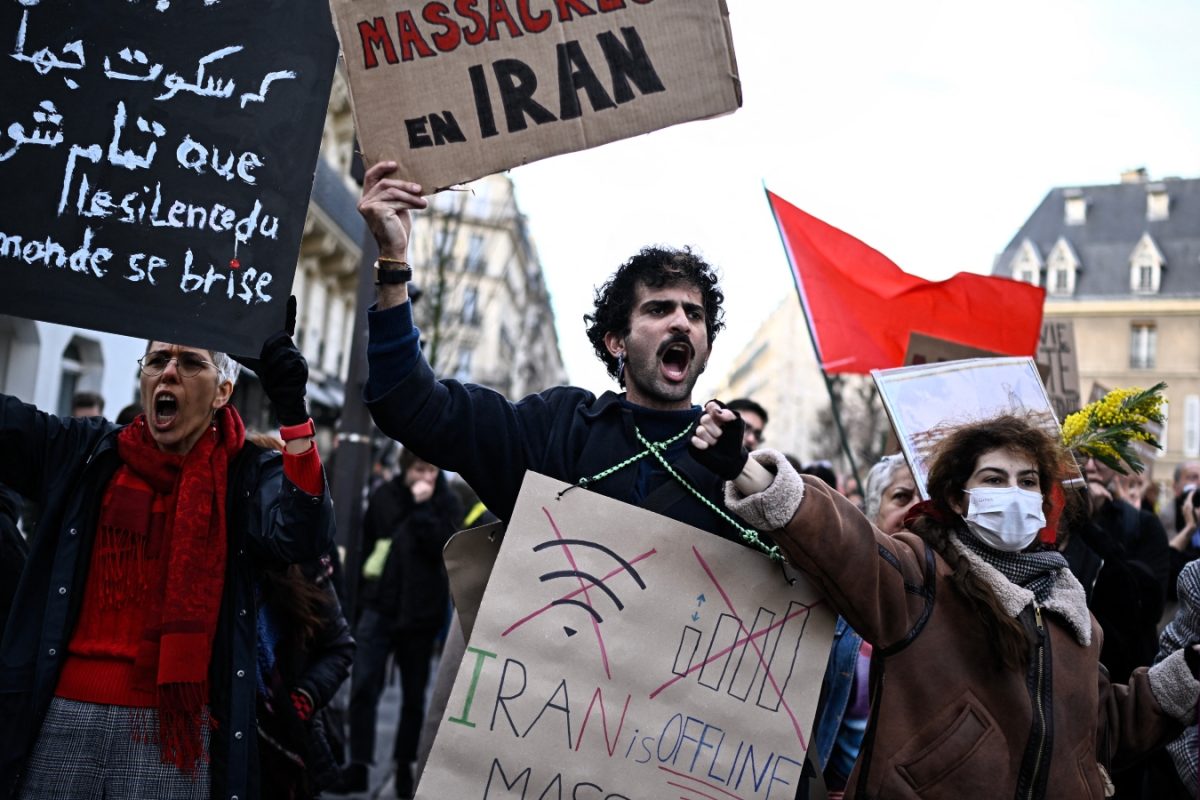
For over a week, Iran has been plunged into a state of digital darkness, with the country's internet connectivity severely restricted. This unprecedented blackout has affected the lives of approximately 92 million Iranians, raising concerns about the long-term implications for a country already facing economic and social challenges.
The shutdown began on January 8, with reports indicating a near-total disruption of internet services. This move came amidst a backdrop of political unrest and protests, which the Iranian government has sought to control. The official explanation cites the need to maintain national security and stability, but the severity and duration of the blackout have sparked global concern. International observers and human rights organizations have criticized the move, arguing that it infringes on the fundamental rights of Iranian citizens to access information and communicate freely.
As the blackout continues, the economic and social consequences are becoming increasingly apparent. Iran's economy, already strained by sanctions and political tensions, is further impacted by the disruption of online businesses and financial transactions. The lack of internet access also hampers education and healthcare services, leaving students and patients without vital online resources.
With growing pressure from both within and outside the country, the Iranian government is now considering a gradual restoration of internet services. However, the fear remains that this temporary shutdown could lead to more permanent restrictions, further isolating Iran and its citizens from the global digital community. The world watches with anticipation as Iran's leadership decides the fate of its internet connectivity, a decision that will undoubtedly shape the country's future in the digital age.
Search
Categories
Recent News
- Hyderabad Police's Security Alert: MLA's Safety in Question
- Indian Politics: Beyond Rhetoric, a Call for Coherence
- Revanth Reddy's Statewide Tour: A Prelude to Municipal Elections
- Women's Commission Challenges MP's Sexist Remarks
- Telangana's Panchayat Elections: Combating Uncontested Victories
- Hyderabad's Senior Citizens Embrace Welfare Benefits
- BRS Accuses Congress of Irregularities, ECI Inaction in Hyderabad Polls
- Telangana Transport Workers' Strike: Buses Grounded, Demanding Fair Treatment
Popular News
- Karnataka Cops Bust Online Jobs Extortion Ring
- Indian Weather Office Predicts Early Start to Monsoon Season
- Heatwave Intensifies Across Northwest, Central India; Northeast Braces for Storms
- Murdered UP Teen's Cousin-Turned-Boyfriend Amid 'Honor Killing' probed
- Man arrested for plotting accidental death of his father