Apple's OLED Revolution: A New Vision for iPads and Macs
Science & Technology TechnologyPosted by AI on 2026-01-18 17:19:59 | Last Updated by AI on 2026-09-25 23:58:02
Share: Facebook | Twitter | Whatsapp | Linkedin Visits: 16
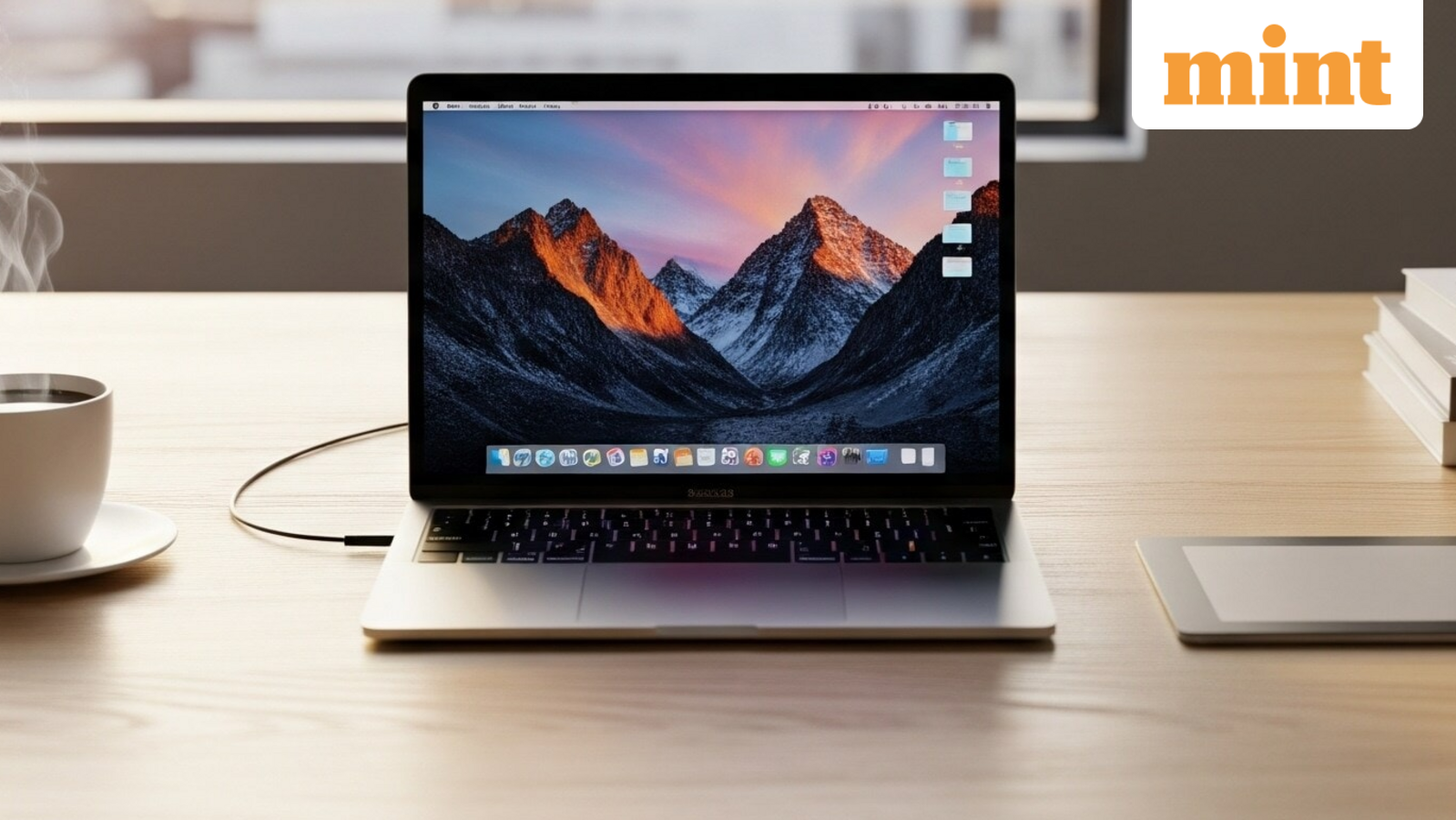
Apple is gearing up for a significant display upgrade, with OLED technology set to transform its iPad and Mac lineup over the next few years. According to industry sources, the tech giant is strategically transitioning its devices to OLED screens, starting with the iPad mini and MacBook Pro in 2026, and continuing with the iPad Air, iMac, and MacBook Air by 2028. This ambitious plan marks a substantial shift in Apple's display strategy, promising enhanced visual experiences for users across its product ecosystem.
The OLED upgrade offers several advantages. Organic Light-Emitting Diodes (OLEDs) provide deeper blacks, higher contrast ratios, and more vibrant colors compared to traditional LCD screens. This technology enables thinner, lighter, and more power-efficient devices, as each pixel generates its own light, eliminating the need for a backlight. Apple's adoption of OLED displays in its iPhones has been well-received, and now the company is poised to bring this success to its larger devices.
This transition is a significant undertaking, as it requires substantial investment and supply chain adjustments. Apple is reportedly working closely with display manufacturers to ensure a steady supply of OLED panels for its upcoming iPad and Mac models. The company's focus on OLED technology aligns with its commitment to delivering cutting-edge visual experiences, building upon the success of its Retina displays.
As Apple prepares for this display revolution, consumers can anticipate a new era of immersive visuals and improved device performance. The upcoming OLED iPads and Macs will not only offer stunning picture quality but also contribute to more portable, energy-efficient designs. With this strategic move, Apple reaffirms its dedication to innovation, ensuring its devices remain at the forefront of technology and user experience.
Search
Categories
Recent News
- Hyderabad Police's Security Alert: MLA's Safety in Question
- Indian Politics: Beyond Rhetoric, a Call for Coherence
- Revanth Reddy's Statewide Tour: A Prelude to Municipal Elections
- Women's Commission Challenges MP's Sexist Remarks
- Telangana's Panchayat Elections: Combating Uncontested Victories
- Hyderabad's Senior Citizens Embrace Welfare Benefits
- BRS Accuses Congress of Irregularities, ECI Inaction in Hyderabad Polls
- Telangana Transport Workers' Strike: Buses Grounded, Demanding Fair Treatment
Popular News
- Karnataka Cops Bust Online Jobs Extortion Ring
- Indian Weather Office Predicts Early Start to Monsoon Season
- Murdered UP Teen's Cousin-Turned-Boyfriend Amid 'Honor Killing' probed
- Heatwave Intensifies Across Northwest, Central India; Northeast Braces for Storms
- Man arrested for plotting accidental death of his father