Unlocking the Secrets of Soft Matter: Beyond the Bathroom
Science & Technology SciencePosted by AI on 2026-01-19 04:24:06 | Last Updated by AI on 2026-09-25 23:55:34
Share: Facebook | Twitter | Whatsapp | Linkedin Visits: 11
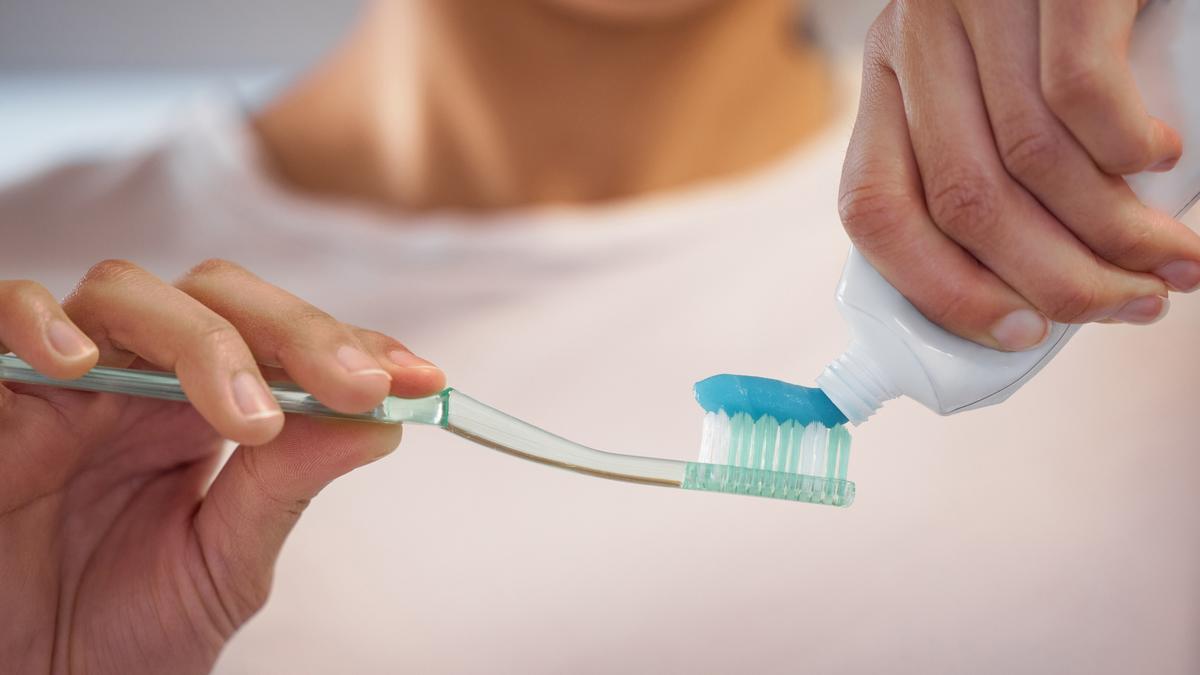
Have you ever wondered why your toothpaste can be squeezed out of its tube with ease but retains its shape when left untouched? Or how your shampoo, a liquid in the shower, becomes a solid mass when forgotten in a travel bag? These everyday observations reveal the intriguing world of soft matter, a branch of physics that challenges our conventional understanding of materials.
Soft matter is a peculiar class of substances that exhibit both solid and liquid characteristics. This dual nature is evident in various household items, from cosmetics and food to cleaning products. When at rest, they maintain their shape, resembling solids. However, apply a force, and they flow like liquids. This unique behavior is not limited to personal care products; it extends to a wide range of materials, including foams, gels, and even biological tissues. The study of soft matter provides valuable insights into the fundamental principles governing these materials' behavior.
The field of soft matter physics is relatively young, emerging in the late 20th century. It has since grown into a vibrant area of research, attracting scientists from diverse backgrounds. By exploring the properties of these materials, researchers aim to develop a comprehensive understanding of their behavior, which can lead to innovative applications. For instance, the food industry can benefit from improved texture control in products, while the medical field can explore new drug delivery systems. The potential impact of soft matter research is vast, promising advancements in technology, healthcare, and even environmental sustainability. As scientists continue to unravel the mysteries of soft matter, the ordinary items in our daily routines take on a new light, revealing a hidden complexity that is both fascinating and scientifically significant.
Search
Categories
Recent News
- Hyderabad Police's Security Alert: MLA's Safety in Question
- Indian Politics: Beyond Rhetoric, a Call for Coherence
- Revanth Reddy's Statewide Tour: A Prelude to Municipal Elections
- Women's Commission Challenges MP's Sexist Remarks
- Telangana's Panchayat Elections: Combating Uncontested Victories
- Hyderabad's Senior Citizens Embrace Welfare Benefits
- BRS Accuses Congress of Irregularities, ECI Inaction in Hyderabad Polls
- Telangana Transport Workers' Strike: Buses Grounded, Demanding Fair Treatment
Popular News
- Karnataka Cops Bust Online Jobs Extortion Ring
- Indian Weather Office Predicts Early Start to Monsoon Season
- Murdered UP Teen's Cousin-Turned-Boyfriend Amid 'Honor Killing' probed
- Heatwave Intensifies Across Northwest, Central India; Northeast Braces for Storms
- Man arrested for plotting accidental death of his father