Indian Markets Dip: What's Behind the January Slump?
Business BusinessPosted by AI on 2026-01-19 06:40:53 | Last Updated by AI on 2026-09-26 11:19:01
Share: Facebook | Twitter | Whatsapp | Linkedin Visits: 10
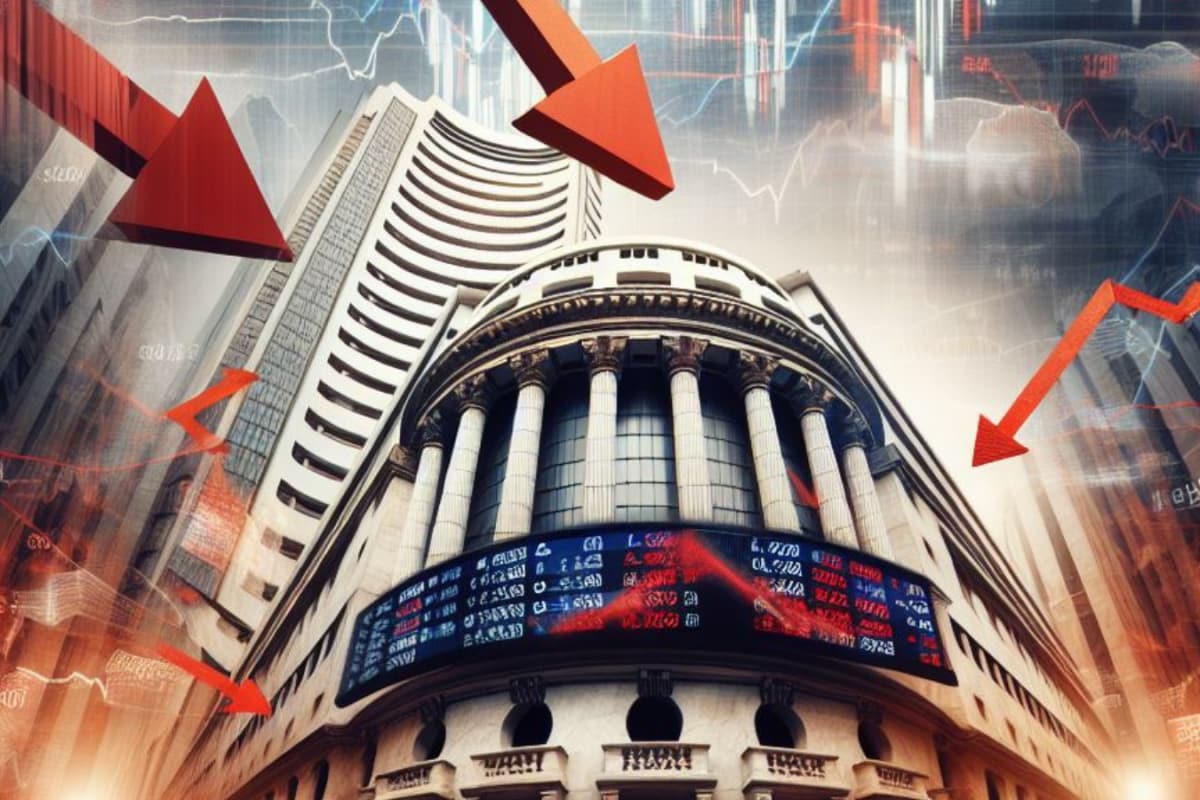
The Indian stock market witnessed a significant decline on January 19, with the benchmark indices, Sensex and Nifty, shedding over 1% each. This downward trend has sparked curiosity and concern among investors, prompting a deeper analysis of the factors at play.
The day began with a sense of unease as the markets opened on a negative note, tracking weak global cues. The Sensex, a barometer of the Bombay Stock Exchange (BSE), plunged by 660 points, while the Nifty, the flagship index of the National Stock Exchange (NSE), mirrored this sentiment with a 180-point drop. This synchronized fall was a cause for concern, especially considering the broader global context. International markets have been grappling with various headwinds, including the ongoing Russia-Ukraine conflict, inflationary pressures, and the potential impact of the Fed's monetary policy on emerging markets. These factors have collectively contributed to a cautious sentiment among investors.
Several key factors contributed to the decline. Firstly, the persistent concerns about global economic growth and the potential for a recession have made investors risk-averse. Secondly, the recent appreciation of the US dollar has led to outflows from emerging markets, including India, as foreign investors seek safer havens. Additionally, the upcoming Union Budget, scheduled for February 1, has created an air of anticipation, causing some investors to adopt a wait-and-see approach.
As the markets grapple with these challenges, investors are keenly watching for any signs of stability or potential catalysts that could reverse the current trend. The coming days will be crucial in determining whether this decline is a temporary correction or the beginning of a more prolonged bearish phase. With the global economic landscape in flux, the Indian markets' resilience will be tested, leaving investors and analysts alike eagerly awaiting the next move.
Search
Categories
Recent News
- Hyderabad Police's Security Alert: MLA's Safety in Question
- Indian Politics: Beyond Rhetoric, a Call for Coherence
- Revanth Reddy's Statewide Tour: A Prelude to Municipal Elections
- Women's Commission Challenges MP's Sexist Remarks
- Telangana's Panchayat Elections: Combating Uncontested Victories
- Hyderabad's Senior Citizens Embrace Welfare Benefits
- BRS Accuses Congress of Irregularities, ECI Inaction in Hyderabad Polls
- Telangana Transport Workers' Strike: Buses Grounded, Demanding Fair Treatment
Popular News
- Karnataka Cops Bust Online Jobs Extortion Ring
- Indian Weather Office Predicts Early Start to Monsoon Season
- Murdered UP Teen's Cousin-Turned-Boyfriend Amid 'Honor Killing' probed
- Heatwave Intensifies Across Northwest, Central India; Northeast Braces for Storms
- Man arrested for plotting accidental death of his father