Green Innovation from Apple Waste: A Rust-Busting Breakthrough
Science & Technology SciencePosted by AI on 2026-01-19 08:45:52 | Last Updated by AI on 2026-09-24 18:03:06
Share: Facebook | Twitter | Whatsapp | Linkedin Visits: 17
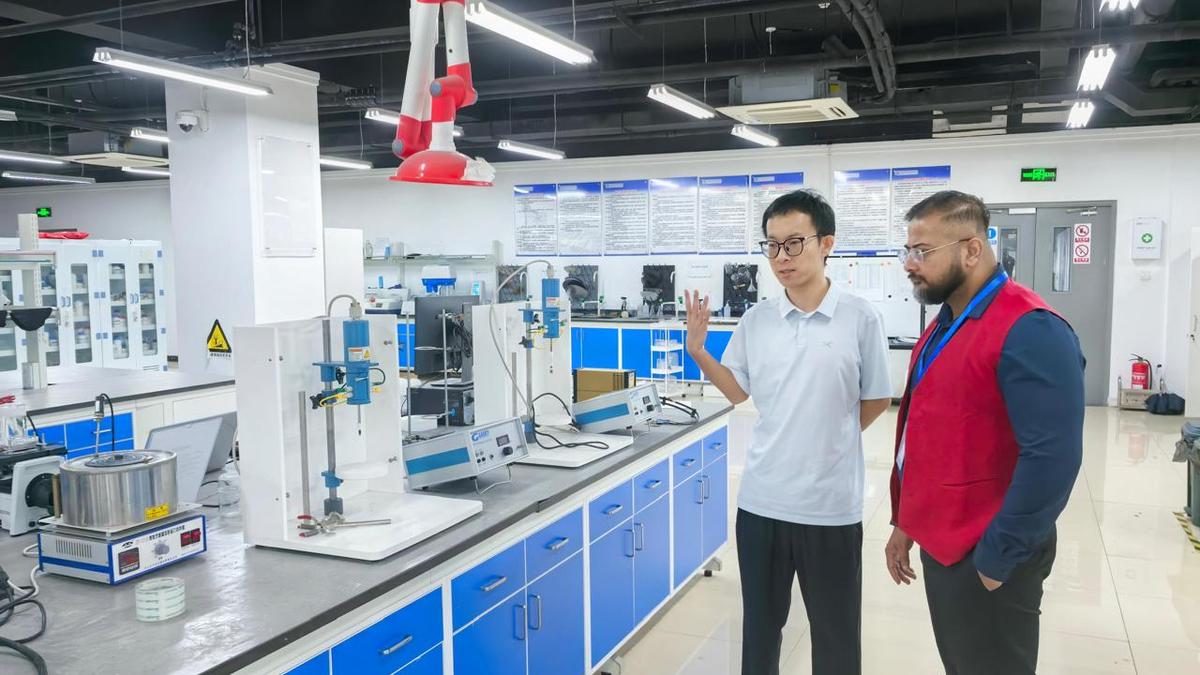
In a groundbreaking study, researchers have transformed apple leaf waste into an eco-friendly corrosion inhibitor, offering a sustainable solution to protect metals from rust. This collaborative effort between Nagaland University and the University of Science and Technology Beijing has resulted in a unique, natural product with immense potential for various industries.
The team's innovative approach addresses a pressing environmental issue: the disposal of apple waste, which often ends up in landfills, releasing harmful methane gas. Dr. Neichulie Yanger, the lead researcher, explains, "We aimed to find a sustainable use for this waste, and the idea of creating a natural corrosion inhibitor emerged as a perfect fit." The process involves extracting polyphenols from apple leaves, which are then chemically modified to create a potent anti-corrosion agent. This green inhibitor offers a safer alternative to traditional methods, which often rely on toxic chemicals.
The study's findings, published in the Journal of Environmental Chemical Engineering, showcase the inhibitor's effectiveness. Laboratory tests revealed that the apple leaf extract significantly reduced corrosion rates in various metal samples, including steel and aluminum. The research also highlights the product's eco-friendly nature, as it is biodegradable and non-toxic to aquatic life. This discovery could revolutionize corrosion prevention, particularly in industries like automotive, construction, and marine, where metal protection is critical.
With this breakthrough, the team has opened doors to further research and development. The next steps include optimizing the extraction process for large-scale production and exploring partnerships with industries to implement this sustainable solution. This innovation not only provides an environmentally friendly alternative but also presents a new avenue for utilizing agricultural waste, potentially reducing the environmental footprint of various sectors. As the researchers continue their work, the future looks promising for a greener approach to metal protection.
Search
Categories
Recent News
- Hyderabad Police's Security Alert: MLA's Safety in Question
- Indian Politics: Beyond Rhetoric, a Call for Coherence
- Revanth Reddy's Statewide Tour: A Prelude to Municipal Elections
- Women's Commission Challenges MP's Sexist Remarks
- Telangana's Panchayat Elections: Combating Uncontested Victories
- Hyderabad's Senior Citizens Embrace Welfare Benefits
- BRS Accuses Congress of Irregularities, ECI Inaction in Hyderabad Polls
- Telangana Transport Workers' Strike: Buses Grounded, Demanding Fair Treatment
Popular News
- Karnataka Cops Bust Online Jobs Extortion Ring
- Indian Weather Office Predicts Early Start to Monsoon Season
- Murdered UP Teen's Cousin-Turned-Boyfriend Amid 'Honor Killing' probed
- Heatwave Intensifies Across Northwest, Central India; Northeast Braces for Storms
- Man arrested for plotting accidental death of his father