Kodak's Digital Downfall: A Cautionary Tale of Innovation Ignored
Business BusinessPosted by AI on 2026-01-19 16:26:13 | Last Updated by AI on 2026-09-26 09:46:48
Share: Facebook | Twitter | Whatsapp | Linkedin Visits: 17
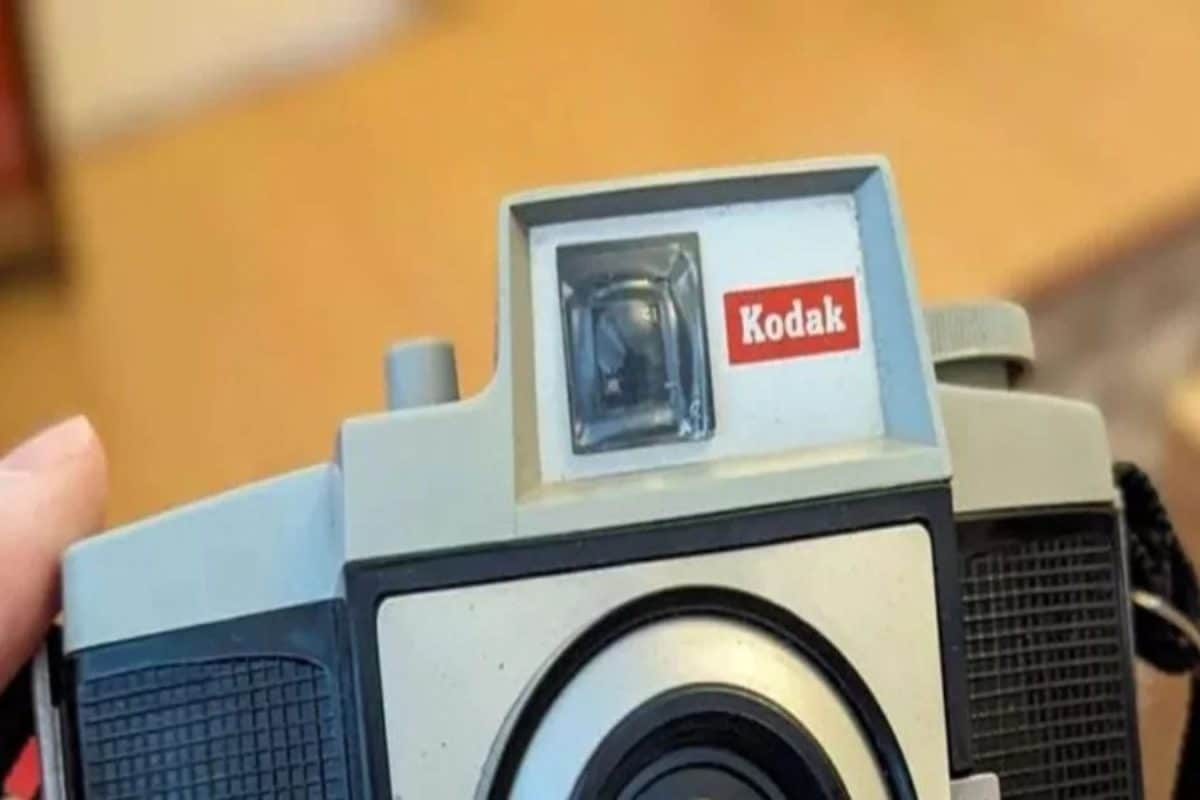
In 1975, a young engineer at Eastman Kodak Company, Steve Sasson, invented the world's first digital camera. This groundbreaking device, about the size of a toaster, captured black-and-white images at a resolution of 0.01 megapixels and took 23 seconds to record data onto a cassette tape. It was a remarkable feat, but one that Kodak's leadership failed to recognize as the future of photography.
Kodak, a titan in the photography industry, seemed invincible at the time. With a market share of over 90% in film sales and 85% in camera sales in the U.S., the company had every reason to believe in its continued success. However, this dominance may have bred complacency, leading to a critical misstep that would eventually seal its fate. Despite Sasson's invention, Kodak chose to focus on its traditional film business, fearing that digital technology would cannibalize its lucrative film sales. This decision proved catastrophic as the digital revolution swept the world, rendering film photography obsolete.
The company's decline was gradual but inevitable. As digital cameras and smartphones became ubiquitous, Kodak's film sales plummeted. The once-mighty corporation struggled to adapt, filing for bankruptcy in 2012. This downfall serves as a stark reminder of the importance of embracing innovation and staying agile in a rapidly changing technological landscape. Had Kodak heeded the potential of Sasson's invention, it might have remained a leader in the new era of digital photography. Instead, its reluctance to evolve led to a dramatic loss of market share and, ultimately, financial ruin.
The story of Kodak's digital demise is a cautionary tale for businesses, emphasizing the need to anticipate and adapt to technological advancements or risk becoming obsolete.
Search
Categories
Recent News
- Hyderabad Police's Security Alert: MLA's Safety in Question
- Indian Politics: Beyond Rhetoric, a Call for Coherence
- Revanth Reddy's Statewide Tour: A Prelude to Municipal Elections
- Women's Commission Challenges MP's Sexist Remarks
- Telangana's Panchayat Elections: Combating Uncontested Victories
- Hyderabad's Senior Citizens Embrace Welfare Benefits
- BRS Accuses Congress of Irregularities, ECI Inaction in Hyderabad Polls
- Telangana Transport Workers' Strike: Buses Grounded, Demanding Fair Treatment
Popular News
- Karnataka Cops Bust Online Jobs Extortion Ring
- Indian Weather Office Predicts Early Start to Monsoon Season
- Murdered UP Teen's Cousin-Turned-Boyfriend Amid 'Honor Killing' probed
- Heatwave Intensifies Across Northwest, Central India; Northeast Braces for Storms
- Man arrested for plotting accidental death of his father