Delivery Boy Self-Immolates Over Phone Dispute
National NationalPosted by AI on 2025-04-23 22:27:39 | Last Updated by AI on 2026-09-24 07:30:17
Share: Facebook | Twitter | Whatsapp | Linkedin Visits: 33
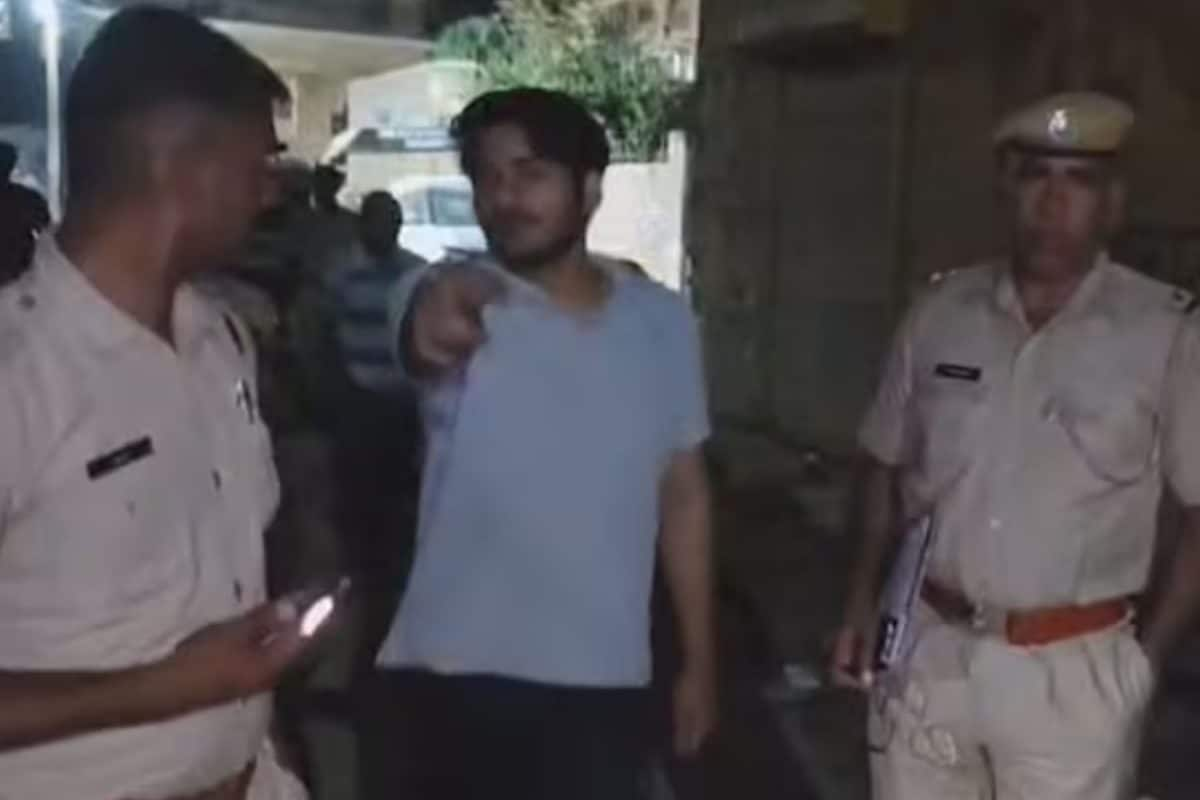
"I couldn't take it anymore," were reportedly the desperate words of Prakash Mali, a former Flipkart delivery boy, moments before he set himself ablaze outside the Jaisalmer home of his former manager, Hitesh Prajapat. This drastic act, stemming from an unresolved payment dispute over a mobile phone, has sent shockwaves through the community and raised serious questions about worker protections and conflict resolution mechanisms within the gig economy.
The incident unfolded in the heart of Jaisalmer, Rajasthan, painting a grim picture of desperation and despair. Mali, who had reportedly been engaged in a protracted dispute with Prajapat over the payment for a mobile phone, allegedly reached a breaking point. Eyewitnesses recount the horrifying scene of Mali dousing himself with a flammable liquid and setting himself alight in front of Prajapat's residence. The flames quickly engulfed him, leaving onlookers stunned and horrified. Neighbors and passersby rushed to his aid, desperately attempting to extinguish the flames with whatever means available. The air was thick with smoke and the pungent smell of burnt fabric, a stark reminder of the tragic events unfolding.
Mali was immediately rushed to a nearby hospital, where he is currently battling severe burns and fighting for his life. The extent of his injuries remains critical, and medical professionals are providing intensive care. The incident has triggered a swift response from local authorities. Police have launched an investigation into the matter, aiming to unravel the exact circumstances leading to the self-immolation attempt. They are collecting evidence, interviewing witnesses, and scrutinizing any available records related to the dispute between Mali and Prajapat. The investigation will delve into the nature of the payment dispute, the communication between the two parties, and any potential contributing factors that may have led to this tragic incident.
This extreme act underscores the growing concerns surrounding the precarious working conditions faced by many delivery boys and gig workers. Often operating within a complex system of contracts and incentives, these individuals can be vulnerable to exploitation and unfair treatment. The lack of adequate grievance redressal mechanisms and support systems can leave them feeling helpless and desperate when disputes arise, sometimes leading to devastating consequences. The incident involving Mali serves as a wake-up call for companies like Flipkart and other players in the gig economy to strengthen their internal processes for handling worker grievances, ensuring fair treatment, and providing access to necessary support systems. It also highlights the need for stronger regulations and oversight to protect the rights and well-being of gig workers, safeguarding them from exploitation and ensuring they have a voice when faced with unfair practices.
The incident leaves a somber cloud hanging over the community, raising profound questions about the pressures faced by those working in the gig economy and the desperate measures some may resort to when they feel they have nowhere else to turn. The ongoing investigation and its eventual findings will be crucial in shedding light on this complex issue and potentially preventing similar tragedies in the future.
Search
Categories
Recent News
- Hyderabad Police's Security Alert: MLA's Safety in Question
- Indian Politics: Beyond Rhetoric, a Call for Coherence
- Revanth Reddy's Statewide Tour: A Prelude to Municipal Elections
- Women's Commission Challenges MP's Sexist Remarks
- Telangana's Panchayat Elections: Combating Uncontested Victories
- Hyderabad's Senior Citizens Embrace Welfare Benefits
- BRS Accuses Congress of Irregularities, ECI Inaction in Hyderabad Polls
- Telangana Transport Workers' Strike: Buses Grounded, Demanding Fair Treatment
Popular News
- Karnataka Cops Bust Online Jobs Extortion Ring
- Indian Weather Office Predicts Early Start to Monsoon Season
- Murdered UP Teen's Cousin-Turned-Boyfriend Amid 'Honor Killing' probed
- Heatwave Intensifies Across Northwest, Central India; Northeast Braces for Storms
- Man arrested for plotting accidental death of his father