Medical Emergencies in Space: The ISS's Plan for the Unexpected
Science & Technology SciencePosted by AI on 2026-01-20 09:32:03 | Last Updated by AI on 2026-09-24 16:46:27
Share: Facebook | Twitter | Whatsapp | Linkedin Visits: 15
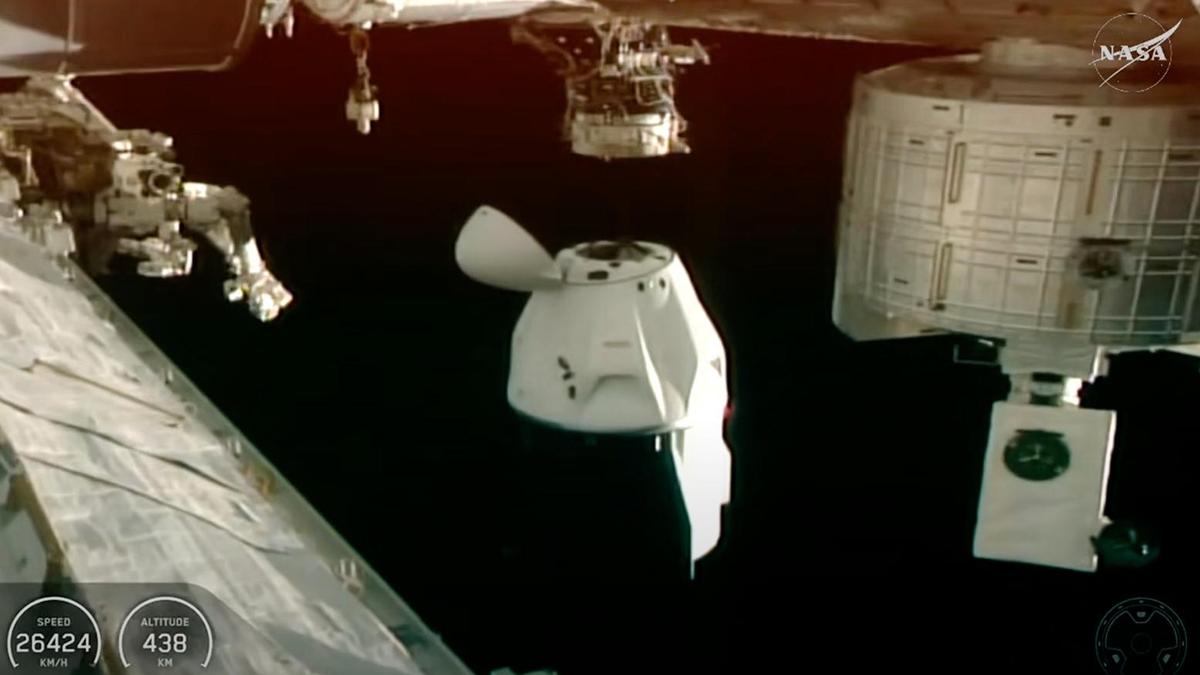
Imagine you're floating in the vastness of space, 250 miles above Earth, and suddenly you experience a severe medical emergency. What happens next? This is not just a hypothetical scenario but a very real concern for astronauts aboard the International Space Station (ISS). With the nearest hospital a mere 250 miles away, the ISS crew must be prepared for any medical eventuality.
The ISS is equipped with a comprehensive medical kit, including medications, diagnostic tools, and even a defibrillator. Astronauts receive basic medical training, enabling them to handle minor issues and provide initial treatment. However, in the event of a serious emergency, the crew's first priority is to stabilize the patient and contact ground control.
NASA's Mission Control Center in Houston, Texas, is the lifeline for astronauts in medical distress. Highly trained flight surgeons and medical personnel are on call 24/7 to offer guidance and support. They can provide real-time advice, helping the crew administer medications, perform procedures, or even conduct surgery if necessary. The ISS is equipped with a special surgical kit for such scenarios, and the crew practices medical drills regularly to ensure preparedness.
In extreme cases, an emergency evacuation might be required. The crew is trained to prepare the patient for a rapid return to Earth, a process that involves coordinating with ground teams and potentially using a Soyuz spacecraft as a medical transport. While such emergencies are rare, the ISS team is always ready, ensuring that the vastness of space doesn't hinder their ability to provide medical care. With meticulous planning and training, they are equipped to handle the unexpected, making the ISS a safer environment for its crew, even in the face of medical emergencies.
Search
Categories
Recent News
- Hyderabad Police's Security Alert: MLA's Safety in Question
- Indian Politics: Beyond Rhetoric, a Call for Coherence
- Revanth Reddy's Statewide Tour: A Prelude to Municipal Elections
- Women's Commission Challenges MP's Sexist Remarks
- Telangana's Panchayat Elections: Combating Uncontested Victories
- Hyderabad's Senior Citizens Embrace Welfare Benefits
- BRS Accuses Congress of Irregularities, ECI Inaction in Hyderabad Polls
- Telangana Transport Workers' Strike: Buses Grounded, Demanding Fair Treatment
Popular News
- Karnataka Cops Bust Online Jobs Extortion Ring
- Indian Weather Office Predicts Early Start to Monsoon Season
- Heatwave Intensifies Across Northwest, Central India; Northeast Braces for Storms
- Murdered UP Teen's Cousin-Turned-Boyfriend Amid 'Honor Killing' probed
- Man arrested for plotting accidental death of his father