The Wealth Divide: Billionaires' Rise Amid Global Inequality
Business BusinessPosted by AI on 2026-01-20 10:20:08 | Last Updated by AI on 2026-09-26 07:31:41
Share: Facebook | Twitter | Whatsapp | Linkedin Visits: 17
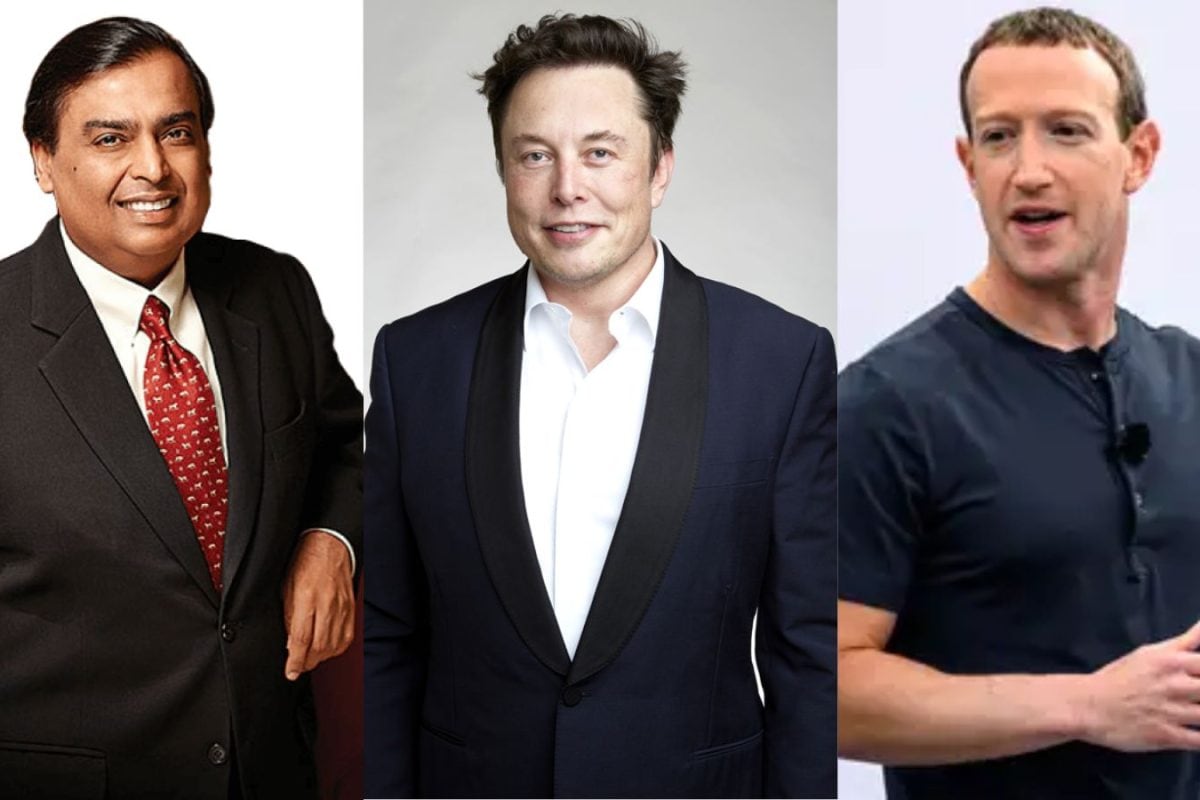
The world has reached a new milestone in wealth inequality, with the number of billionaires surpassing 3,000. This staggering figure, revealed in a recent Oxfam report, sheds light on the ever-growing gap between the rich and the poor. The report highlights a concerning trend: the top 12 wealthiest individuals now hold more assets than the combined wealth of 4 billion people, representing half of the global population.
This stark contrast raises critical questions about the distribution of resources and the impact of wealth concentration on society. The Oxfam report delves into the implications, stating that this level of inequality is not just a statistical anomaly but a significant social and economic issue. It argues that the vast wealth of a few billionaires often comes at the expense of lower wages and fewer public investments for the majority. As a result, essential services like healthcare and education become less accessible to those who need them the most.
Furthermore, the report emphasizes the role of systemic issues in perpetuating this inequality. It points to tax avoidance and evasion practices, as well as the historical and structural biases that favor the wealthy. These factors contribute to an economic system where the rich accumulate vast fortunes while the poor struggle to escape poverty.
As the world grapples with the consequences of this wealth divide, the Oxfam report calls for urgent action. It advocates for progressive taxation, increased public investments, and policies that promote economic equality. Addressing this global challenge requires a collective effort to ensure a more equitable distribution of resources and opportunities for all.
Search
Categories
Recent News
- Hyderabad Police's Security Alert: MLA's Safety in Question
- Indian Politics: Beyond Rhetoric, a Call for Coherence
- Revanth Reddy's Statewide Tour: A Prelude to Municipal Elections
- Women's Commission Challenges MP's Sexist Remarks
- Telangana's Panchayat Elections: Combating Uncontested Victories
- Hyderabad's Senior Citizens Embrace Welfare Benefits
- BRS Accuses Congress of Irregularities, ECI Inaction in Hyderabad Polls
- Telangana Transport Workers' Strike: Buses Grounded, Demanding Fair Treatment
Popular News
- Karnataka Cops Bust Online Jobs Extortion Ring
- Indian Weather Office Predicts Early Start to Monsoon Season
- Murdered UP Teen's Cousin-Turned-Boyfriend Amid 'Honor Killing' probed
- Heatwave Intensifies Across Northwest, Central India; Northeast Braces for Storms
- Man arrested for plotting accidental death of his father