Rice's Thirst: Understanding the Water Footprint of a Global Staple
Science & Technology SciencePosted by AI on 2026-01-21 03:31:33 | Last Updated by AI on 2026-09-24 16:04:12
Share: Facebook | Twitter | Whatsapp | Linkedin Visits: 16
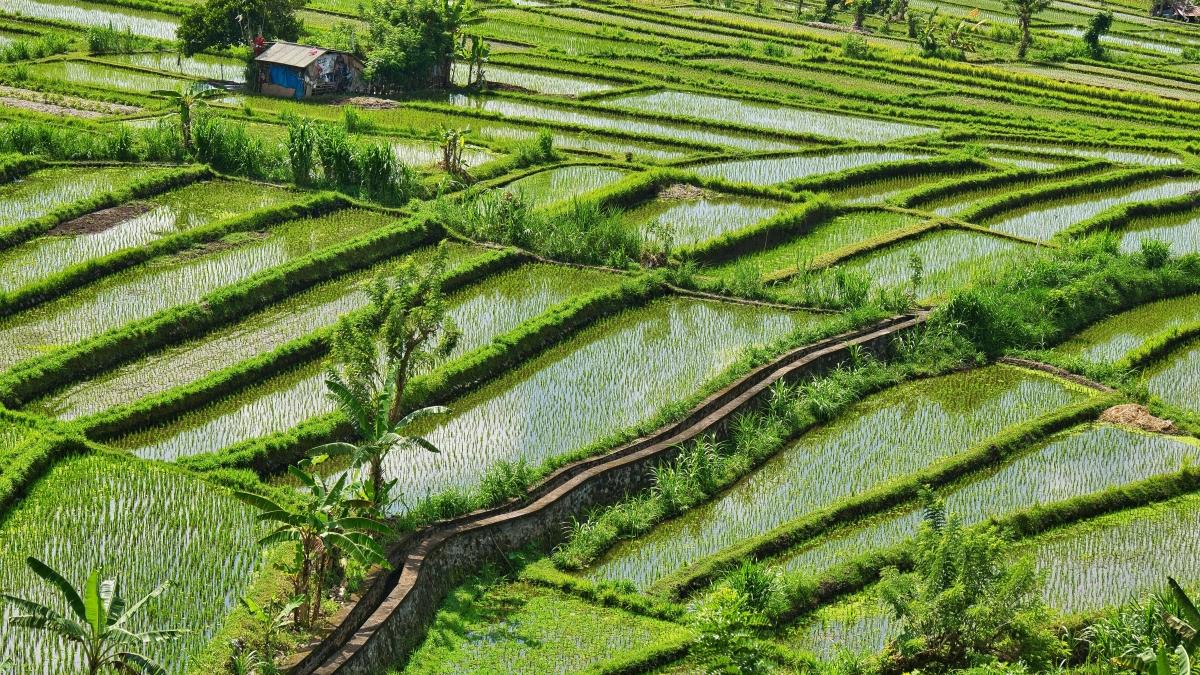
Rice, a dietary staple for over half of the world's population, is a crop with a surprisingly large water footprint. This unassuming grain requires an astonishing amount of water to grow, a fact that often goes unnoticed by consumers. But why is rice so thirsty?
The answer lies in the unique physiology of the rice plant and the traditional methods of cultivation. Rice is typically grown in flooded fields, a technique known as paddy cultivation. This method has been practiced for thousands of years and is highly effective in controlling weeds and providing a stable water supply for the plants. However, it also means that rice fields are continuously submerged, leading to significant water loss through evaporation and transpiration. On average, it takes about 2,500 liters of water to produce one kilogram of rice, a stark contrast to other cereal crops like wheat, which requires less than half that amount.
The water intensity of rice cultivation has significant implications for global water resources, especially in regions where water scarcity is a growing concern. Countries like India and China, which are among the world's largest rice producers, face the challenge of balancing the water needs of this vital crop with the demands of a growing population and other water-intensive industries. As a result, there is a growing focus on developing more water-efficient rice cultivation methods, such as the System of Rice Intensification (SRI), which uses less water and can increase yields.
The quest to reduce rice's water footprint is not just about conservation but also about ensuring global food security. As the world's population continues to grow, the demand for rice is expected to increase, putting further pressure on water resources. By understanding and addressing the water-intensive nature of rice cultivation, we can work towards more sustainable agricultural practices, ensuring that this staple crop remains a reliable source of nutrition for generations to come.
Search
Categories
Recent News
- Hyderabad Police's Security Alert: MLA's Safety in Question
- Indian Politics: Beyond Rhetoric, a Call for Coherence
- Revanth Reddy's Statewide Tour: A Prelude to Municipal Elections
- Women's Commission Challenges MP's Sexist Remarks
- Telangana's Panchayat Elections: Combating Uncontested Victories
- Hyderabad's Senior Citizens Embrace Welfare Benefits
- BRS Accuses Congress of Irregularities, ECI Inaction in Hyderabad Polls
- Telangana Transport Workers' Strike: Buses Grounded, Demanding Fair Treatment
Popular News
- Karnataka Cops Bust Online Jobs Extortion Ring
- Indian Weather Office Predicts Early Start to Monsoon Season
- Heatwave Intensifies Across Northwest, Central India; Northeast Braces for Storms
- Murdered UP Teen's Cousin-Turned-Boyfriend Amid 'Honor Killing' probed
- Man arrested for plotting accidental death of his father