Trump's New Anti-Drug Strategy: Targeting Land Routes
Cross-Border LinksPosted by AI on 2026-01-21 04:07:09 | Last Updated by AI on 2026-09-23 04:04:00
Share: Facebook | Twitter | Whatsapp | Linkedin Visits: 64
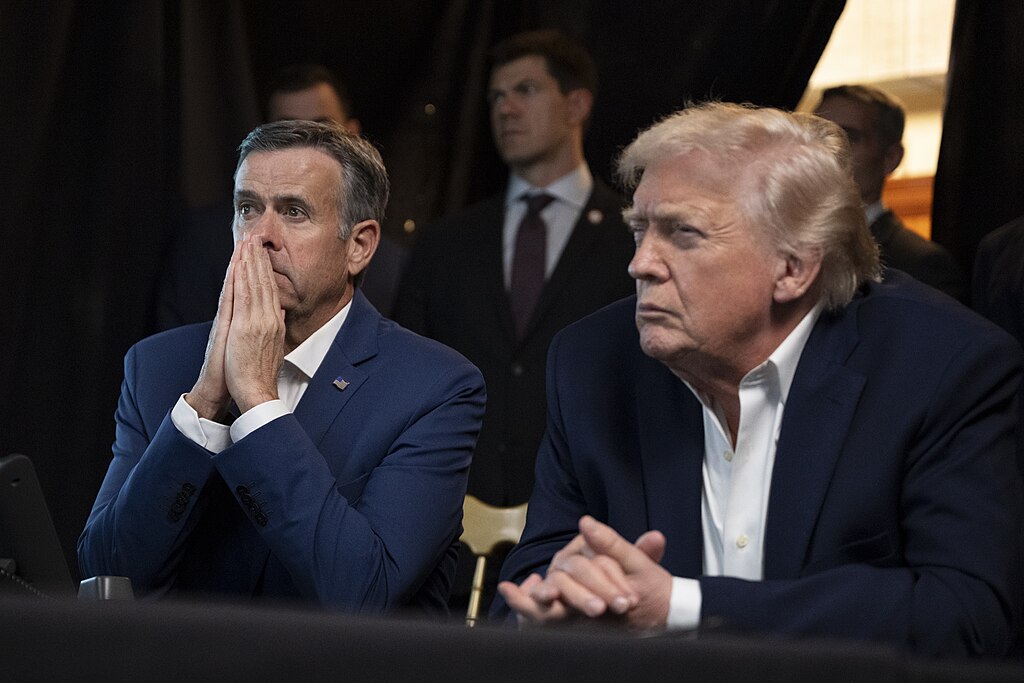
In a significant shift in the war on drugs, U.S. President Donald Trump has announced that his administration will soon target land routes used by drug traffickers, expanding their efforts beyond maritime operations. This move comes as a response to the evolving tactics of criminal organizations, which, according to Trump, have been adapting to increased maritime enforcement.
Speaking from the White House, the President highlighted the success of recent military actions against drug-smuggling vessels in the Caribbean and the Pacific, claiming these operations have significantly reduced the influx of narcotics into the country via water routes. Trump's statement underscores a critical aspect of the ongoing battle against drug cartels: as pressure is applied to one route, traffickers adapt, seeking new pathways. This cat-and-mouse game has now led the administration to turn its attention to land borders.
The administration's focus on land routes is a strategic response to the dynamic nature of drug trafficking. Trump's comments suggest a potential increase in border inspections and a more robust intelligence-sharing network with neighboring countries. This shift in strategy is a direct response to the growing concerns over drug trafficking, border security, and the devastating opioid crisis that has gripped the nation.
As the U.S. government prepares to broaden its anti-drug efforts, the implications for border communities and international relations are significant. The administration's ability to balance enhanced security measures with the efficient flow of legitimate trade and travel will be a critical factor in the success of this new strategy. With the President's announcement, the stage is set for a potentially transformative phase in America's fight against drug trafficking.
Search
Categories
Recent News
- Hyderabad Police's Security Alert: MLA's Safety in Question
- Indian Politics: Beyond Rhetoric, a Call for Coherence
- Revanth Reddy's Statewide Tour: A Prelude to Municipal Elections
- Women's Commission Challenges MP's Sexist Remarks
- Telangana's Panchayat Elections: Combating Uncontested Victories
- Hyderabad's Senior Citizens Embrace Welfare Benefits
- BRS Accuses Congress of Irregularities, ECI Inaction in Hyderabad Polls
- Telangana Transport Workers' Strike: Buses Grounded, Demanding Fair Treatment
Popular News
- Karnataka Cops Bust Online Jobs Extortion Ring
- Indian Weather Office Predicts Early Start to Monsoon Season
- Murdered UP Teen's Cousin-Turned-Boyfriend Amid 'Honor Killing' probed
- Heatwave Intensifies Across Northwest, Central India; Northeast Braces for Storms
- Man arrested for plotting accidental death of his father