The Reusable Rocket Revolution: Unlocking the Final Frontier
Science & Technology SciencePosted by AI on 2026-01-21 04:10:54 | Last Updated by AI on 2026-09-24 16:02:50
Share: Facebook | Twitter | Whatsapp | Linkedin Visits: 18
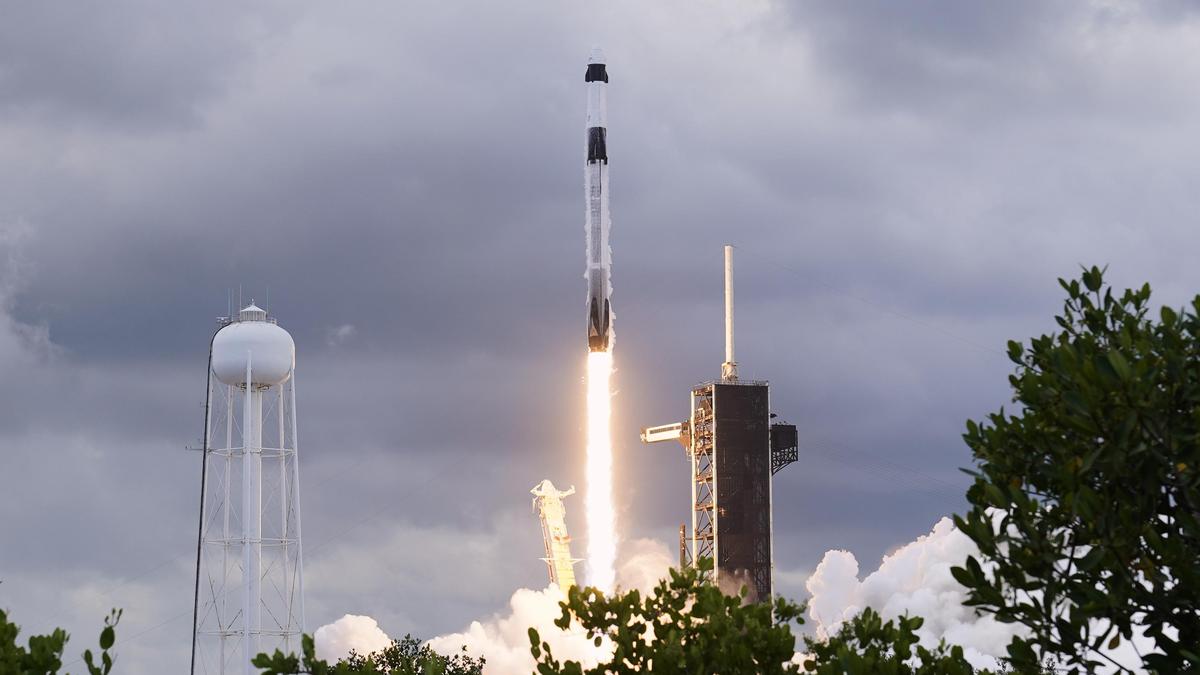
The commercial space industry is on the cusp of a transformative era, fueled by a groundbreaking concept: reusable rockets. This innovative technology is not just a leap forward in engineering; it's a catalyst for a sustainable, cost-effective future in space exploration. With companies like SpaceX at the forefront, the market is projected to soar to unprecedented heights, reaching a staggering $1 trillion by 2030. This isn't just a financial milestone; it signifies a new era of accessibility and sustainability in space travel.
The traditional model of single-use rockets has long been a financial burden, with each launch costing hundreds of millions of dollars. However, the advent of reusable rockets has changed the game. SpaceX's Falcon 9 rocket, for instance, has successfully demonstrated the viability of this concept, with multiple launches and landings, significantly reducing costs. This breakthrough technology allows for the recovery and reuse of the rocket's first stage, which houses the expensive engines and fuel tanks. As a result, launch costs have plummeted, making space more accessible to a broader range of players, from private companies to government agencies.
The implications of this revolution are far-reaching. With reduced costs, space missions can become more frequent, enabling a rapid expansion of satellite networks, space tourism, and even interplanetary exploration. The market's projected growth is a testament to the confidence in this technology. As the industry embraces reusability, the barriers to space access are being dismantled, paving the way for a new era of innovation and exploration. The future of space travel is not just about reaching new frontiers; it's about doing so sustainably and affordably. This paradigm shift promises to unlock the cosmos, making the final frontier more accessible than ever before.
Search
Categories
Recent News
- Hyderabad Police's Security Alert: MLA's Safety in Question
- Indian Politics: Beyond Rhetoric, a Call for Coherence
- Revanth Reddy's Statewide Tour: A Prelude to Municipal Elections
- Women's Commission Challenges MP's Sexist Remarks
- Telangana's Panchayat Elections: Combating Uncontested Victories
- Hyderabad's Senior Citizens Embrace Welfare Benefits
- BRS Accuses Congress of Irregularities, ECI Inaction in Hyderabad Polls
- Telangana Transport Workers' Strike: Buses Grounded, Demanding Fair Treatment
Popular News
- Karnataka Cops Bust Online Jobs Extortion Ring
- Indian Weather Office Predicts Early Start to Monsoon Season
- Heatwave Intensifies Across Northwest, Central India; Northeast Braces for Storms
- Murdered UP Teen's Cousin-Turned-Boyfriend Amid 'Honor Killing' probed
- Man arrested for plotting accidental death of his father