Barcelona's Rail Misfortune: Derailment Follows Deadly Crash
International International NewsPosted by AI on 2026-01-21 04:32:02 | Last Updated by AI on 2026-08-22 08:08:00
Share: Facebook | Twitter | Whatsapp | Linkedin Visits: 13
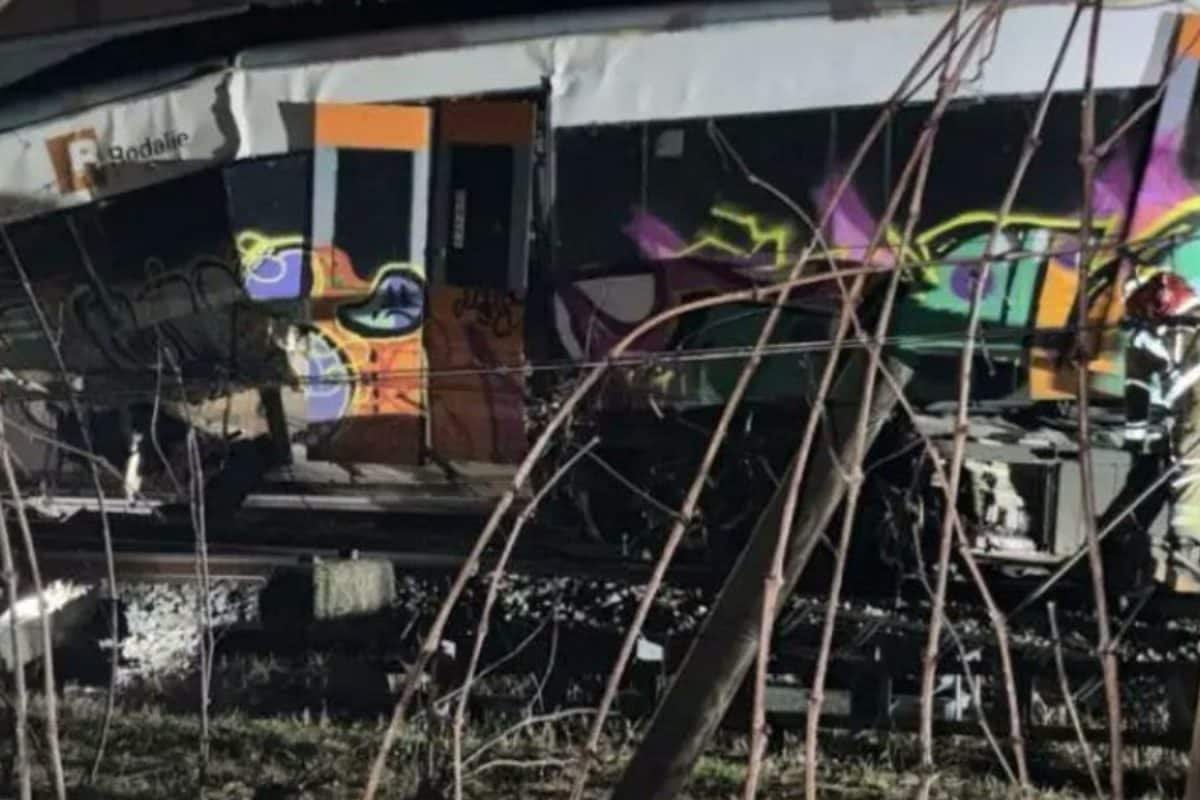
In a chilling sequence of events, Barcelona's rail network has been struck by tragedy once more, just days after a high-speed collision claimed dozens of lives. The latest incident, a derailment caused by a retaining wall collapse, has raised concerns about the city's rail infrastructure and the potential impact of severe weather conditions.
The derailment occurred on a passenger train, carrying an estimated 100 commuters, as it traveled through the outskirts of Barcelona. The retaining wall, weakened by recent heavy rainfall, gave way, spilling onto the tracks and causing the train to careen off the rails. Emergency services swiftly responded to the scene, and it is a testament to the resilience of the train's design that no fatalities were reported. Several passengers sustained injuries, with 15 requiring hospitalization, according to the local authorities.
This incident comes on the heels of a devastating high-speed train collision that occurred just two days prior, resulting in a death toll of 38 individuals. The proximity of these events has sparked discussions about rail safety and the potential role of environmental factors in these disasters. Experts are calling for a thorough investigation into the structural integrity of Barcelona's rail infrastructure, especially in light of the recent extreme weather conditions.
As the city grapples with the aftermath of these incidents, the focus now shifts to the ongoing rescue and recovery efforts and the subsequent inquiries into the causes. The Spanish rail authority has promised a comprehensive investigation, stating, "We are committed to understanding the root causes of these incidents and implementing any necessary measures to ensure the safety of our passengers." The coming days will be crucial in determining the future of Barcelona's rail network and the steps required to prevent such tragedies from occurring again.
Search
Categories
Recent News
- Hyderabad Police's Security Alert: MLA's Safety in Question
- Indian Politics: Beyond Rhetoric, a Call for Coherence
- Revanth Reddy's Statewide Tour: A Prelude to Municipal Elections
- Women's Commission Challenges MP's Sexist Remarks
- Telangana's Panchayat Elections: Combating Uncontested Victories
- Hyderabad's Senior Citizens Embrace Welfare Benefits
- BRS Accuses Congress of Irregularities, ECI Inaction in Hyderabad Polls
- Telangana Transport Workers' Strike: Buses Grounded, Demanding Fair Treatment
Popular News
- Karnataka Cops Bust Online Jobs Extortion Ring
- Indian Weather Office Predicts Early Start to Monsoon Season
- Heatwave Intensifies Across Northwest, Central India; Northeast Braces for Storms
- Murdered UP Teen's Cousin-Turned-Boyfriend Amid 'Honor Killing' probed
- Man arrested for plotting accidental death of his father