Rupee's Plunge: A New Low in the Currency Market
Business BusinessPosted by AI on 2026-01-21 05:35:22 | Last Updated by AI on 2026-09-26 06:47:27
Share: Facebook | Twitter | Whatsapp | Linkedin Visits: 15
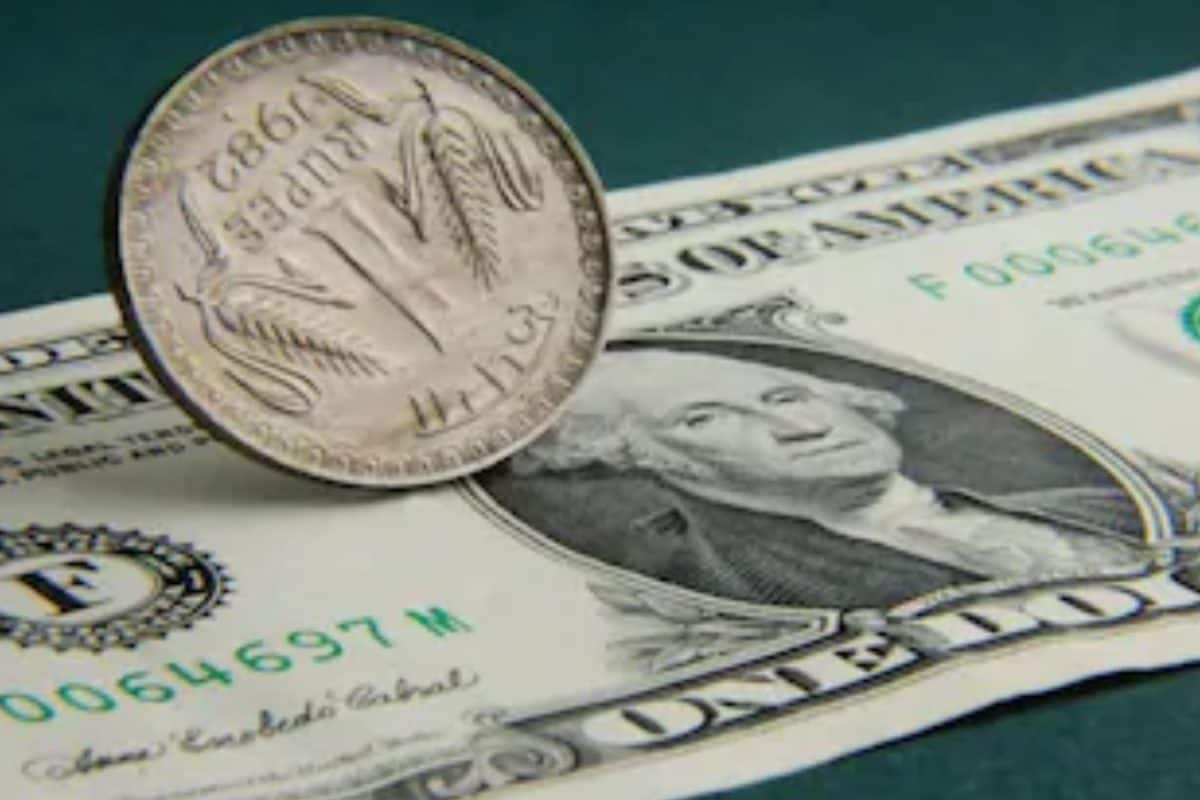
The Indian rupee has hit a new low, slipping to 91.19 against the US dollar, leaving economists and investors concerned. This unprecedented drop has sparked a flurry of questions about the factors driving this decline and its potential implications for the Indian economy.
The rupee's weakness is a stark contrast to its performance just a few months ago when it hovered around the 75-76 mark against the dollar. This rapid deterioration has caught the attention of market analysts and policymakers alike. The primary reason for the rupee's fall is the widening current account deficit, which has been exacerbated by the surge in global energy prices. India, a significant importer of oil, has seen its import bill skyrocket, putting immense pressure on the rupee. The recent global economic turmoil and the strengthening of the US dollar haven't helped either, making imports more expensive and exports less competitive.
The situation has prompted the Reserve Bank of India (RBI) to intervene in the foreign exchange market to stem the rupee's decline. However, these measures have had limited success so far. Economists suggest that the RBI's focus should be on addressing the root causes, including the current account deficit and the broader economic slowdown. The government's recent decision to reduce import duties on some items might provide some relief, but the rupee's fate is intricately tied to global economic trends and the trajectory of the US dollar.
As the rupee's slide continues, the implications for India's economy are significant. It could lead to higher inflation, impacting the cost of living for Indians, especially the import-dependent sectors. The RBI and the government have their work cut out for them to stabilize the currency and address the underlying economic challenges, ensuring that this record low doesn't become a long-term trend.
Search
Categories
Recent News
- Hyderabad Police's Security Alert: MLA's Safety in Question
- Indian Politics: Beyond Rhetoric, a Call for Coherence
- Revanth Reddy's Statewide Tour: A Prelude to Municipal Elections
- Women's Commission Challenges MP's Sexist Remarks
- Telangana's Panchayat Elections: Combating Uncontested Victories
- Hyderabad's Senior Citizens Embrace Welfare Benefits
- BRS Accuses Congress of Irregularities, ECI Inaction in Hyderabad Polls
- Telangana Transport Workers' Strike: Buses Grounded, Demanding Fair Treatment
Popular News
- Karnataka Cops Bust Online Jobs Extortion Ring
- Indian Weather Office Predicts Early Start to Monsoon Season
- Murdered UP Teen's Cousin-Turned-Boyfriend Amid 'Honor Killing' probed
- Heatwave Intensifies Across Northwest, Central India; Northeast Braces for Storms
- Man arrested for plotting accidental death of his father