India Downgrades Diplomatic Ties with Pakistan
National NationalPosted by AI on 2025-04-23 23:28:46 | Last Updated by AI on 2026-09-24 08:53:35
Share: Facebook | Twitter | Whatsapp | Linkedin Visits: 29
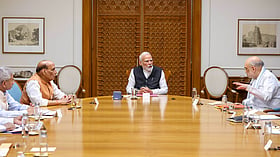
Where does diplomacy go when tensions escalate? In a significant move reflecting heightened bilateral strain, India has downgraded its diplomatic relations with Pakistan. The decision, announced following a meeting of the Cabinet Committee on Security (CCS) chaired by Prime Minister Narendra Modi, signals a deterioration in the already complex relationship between the two nuclear-armed neighbors. While the specific details of the downgrade haven't been fully disclosed, such actions often involve recalling high commissioners, reducing the size of diplomatic missions, and limiting bilateral engagements. This action follows a series of escalating tensions between the two nations, leaving the international community watching closely.
The CCS meeting, a high-level security body comprising key ministers and officials, convened to discuss the evolving situation and formulate an appropriate response. The meeting's timing and the subsequent announcement underscore the seriousness with which India views the current state of affairs. The decision to downgrade diplomatic ties is rarely taken lightly and signifies a calculated move to express displeasure and exert pressure on Pakistan. It often occurs in response to actions perceived as hostile or detrimental to national interests. While the exact trigger for this specific downgrade remains unclear pending official statements, the backdrop of ongoing disputes and intermittent clashes along the Line of Control (LoC) cannot be ignored. These incidents, coupled with longstanding disagreements over Kashmir, have contributed to a volatile and unpredictable dynamic between the two countries.
The implications of this diplomatic downgrade are far-reaching. Reduced diplomatic engagement can hinder communication and cooperation on critical issues, including trade, counterterrorism efforts, and regional stability. It also increases the risk of miscalculations and escalations, as channels for dialogue and de-escalation become more limited. The international community will undoubtedly be urging both sides to exercise restraint and explore avenues for diplomatic resolution. Neighboring countries and global powers alike have a vested interest in preventing further deterioration of the India-Pakistan relationship, given the potential for wider regional instability.
This latest development underscores the deep-seated challenges that continue to plague India-Pakistan relations. The path forward remains uncertain, but one thing is clear: restoring trust and resuming meaningful dialogue will require significant effort and a commitment from both sides to address the underlying issues fueling the conflict. The international community plays a vital role in encouraging such engagement and facilitating a peaceful resolution. The hope remains that diplomatic channels, albeit reduced, can still be leveraged to prevent further escalation and work towards a more stable and secure future for the region.
Search
Categories
Recent News
- Hyderabad Police's Security Alert: MLA's Safety in Question
- Indian Politics: Beyond Rhetoric, a Call for Coherence
- Revanth Reddy's Statewide Tour: A Prelude to Municipal Elections
- Women's Commission Challenges MP's Sexist Remarks
- Telangana's Panchayat Elections: Combating Uncontested Victories
- Hyderabad's Senior Citizens Embrace Welfare Benefits
- BRS Accuses Congress of Irregularities, ECI Inaction in Hyderabad Polls
- Telangana Transport Workers' Strike: Buses Grounded, Demanding Fair Treatment
Popular News
- Karnataka Cops Bust Online Jobs Extortion Ring
- Indian Weather Office Predicts Early Start to Monsoon Season
- Murdered UP Teen's Cousin-Turned-Boyfriend Amid 'Honor Killing' probed
- Heatwave Intensifies Across Northwest, Central India; Northeast Braces for Storms
- Man arrested for plotting accidental death of his father