Auto Industry's 2026 Vision: Electrifying Incentives and Tax Transparency
Business BusinessPosted by AI on 2026-01-21 09:07:28 | Last Updated by AI on 2026-09-26 06:15:16
Share: Facebook | Twitter | Whatsapp | Linkedin Visits: 31
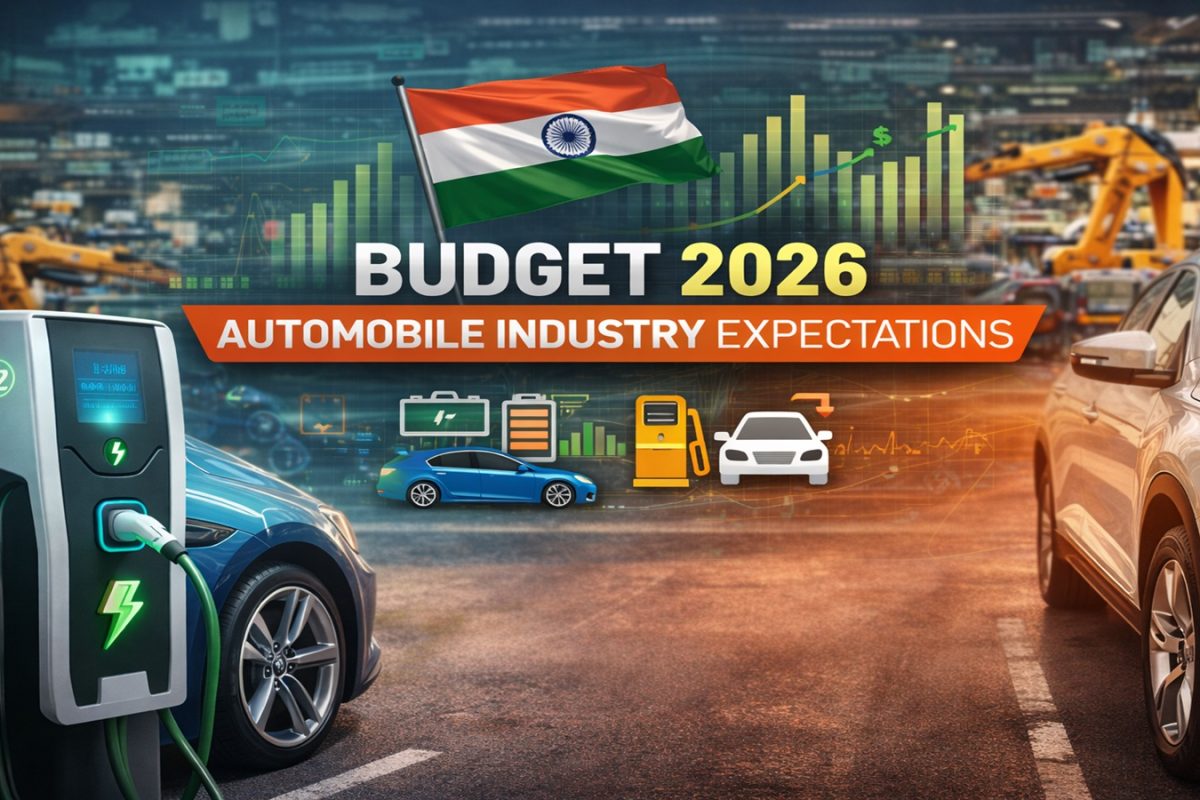
The Indian auto industry is gearing up for an exciting transformation in 2026, with a focus on sustainability and consumer-friendly policies. Following the successful implementation of GST 2.0, which spurred a remarkable recovery in the sector, industry leaders are now setting their sights on the future of mobility.
The year 2025 witnessed a 15% surge in passenger vehicle sales, a 12% increase in two-wheeler sales, and a 10% growth in commercial vehicle sales, according to the Society of Indian Automobile Manufacturers (SIAM). This growth can be attributed to improved financing options and a resurgence in consumer confidence. As a result, the industry is now advocating for continued support and strategic initiatives to sustain this momentum.
At the forefront of the industry's agenda is the push for electric vehicle (EV) adoption. Manufacturers are urging the government to introduce attractive incentives to encourage consumers to make the switch to EVs. These incentives could include tax benefits, subsidies, and infrastructure development, such as the establishment of a robust charging network. With the world moving towards a greener future, the auto industry aims to position India as a leader in EV technology and manufacturing.
Furthermore, the industry seeks clarity on the Goods and Services Tax (GST) structure. While GST 2.0 has been a game-changer, providing a much-needed boost to the sector, manufacturers are calling for a simplified and stable tax regime. This clarity will enable better planning and investment decisions, fostering a more competitive and sustainable auto industry. As the sun sets on 2025, the auto industry eagerly awaits the government's response, poised to accelerate into a new era of innovation and environmental consciousness.
Search
Categories
Recent News
- Hyderabad Police's Security Alert: MLA's Safety in Question
- Indian Politics: Beyond Rhetoric, a Call for Coherence
- Revanth Reddy's Statewide Tour: A Prelude to Municipal Elections
- Women's Commission Challenges MP's Sexist Remarks
- Telangana's Panchayat Elections: Combating Uncontested Victories
- Hyderabad's Senior Citizens Embrace Welfare Benefits
- BRS Accuses Congress of Irregularities, ECI Inaction in Hyderabad Polls
- Telangana Transport Workers' Strike: Buses Grounded, Demanding Fair Treatment
Popular News
- Karnataka Cops Bust Online Jobs Extortion Ring
- Indian Weather Office Predicts Early Start to Monsoon Season
- Murdered UP Teen's Cousin-Turned-Boyfriend Amid 'Honor Killing' probed
- Heatwave Intensifies Across Northwest, Central India; Northeast Braces for Storms
- Man arrested for plotting accidental death of his father