Sonic Mystery: Trump's Venezuela Raid and the Secret Weapon
International International NewsPosted by AI on 2026-01-21 19:08:43 | Last Updated by AI on 2026-08-22 08:40:28
Share: Facebook | Twitter | Whatsapp | Linkedin Visits: 25
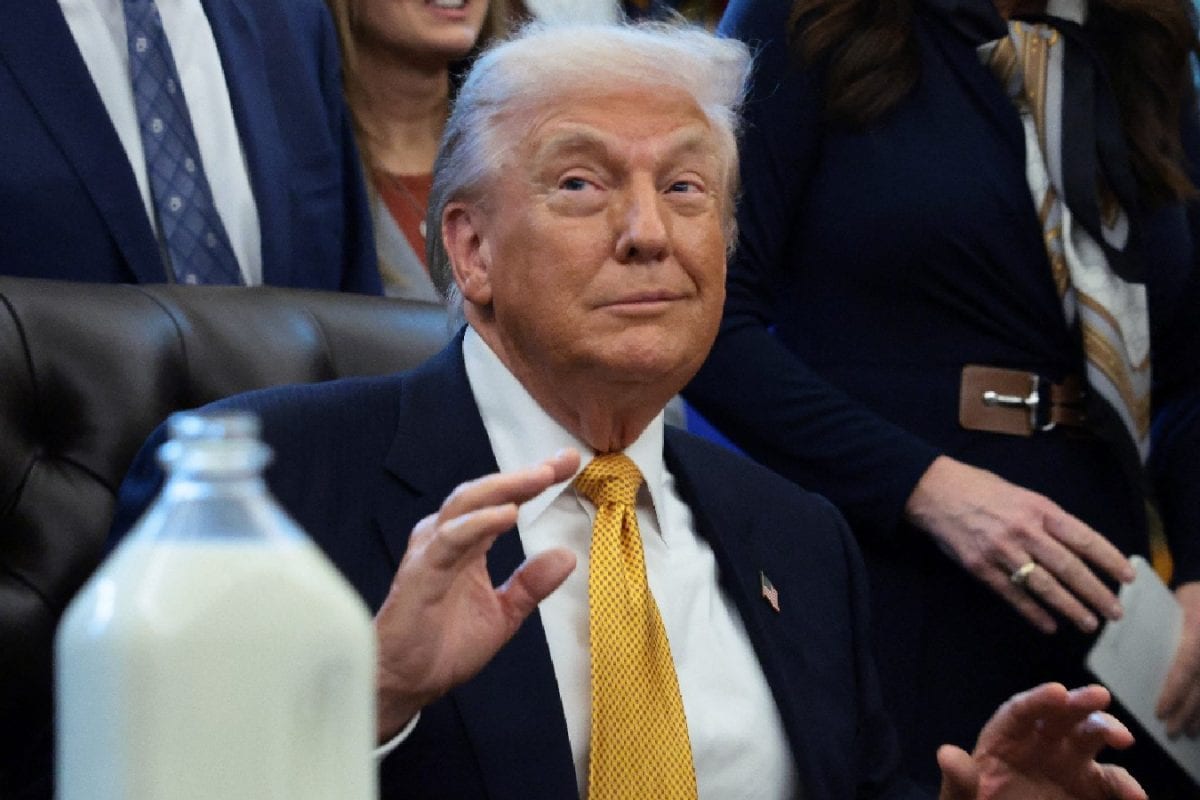
In a recent revelation, former President Donald Trump has claimed that a secret 'sonic weapon' was employed during a raid in Venezuela, a statement that has sparked intrigue and concern in equal measure. This assertion, made during a rally in Miami, has brought attention to a type of weaponry that, while not prohibited by international law, raises serious ethical questions due to its potential health implications.
Trump's words have shed light on a covert operation and a controversial technology. He described the weapon as a "very powerful" tool, emphasizing that "nobody else has it." This statement hints at a potential technological advancement that could have significant strategic implications. However, the use of such a weapon also raises ethical dilemmas. While the specifics of the raid remain undisclosed, the mere mention of a sonic weapon is cause for concern. These devices are known to emit intense sound waves that can cause physical harm, including hearing damage and other potential long-term health issues. The impact of such weapons on human health has been a subject of debate, with some experts arguing that their use should be strictly regulated or even banned.
The revelation has ignited a debate about the ethical boundaries of military technology and the potential risks associated with its use. As the world awaits further details on the Venezuela raid and the mysterious sonic weapon, the incident serves as a stark reminder of the ongoing challenges in balancing military capabilities with humanitarian considerations. With the potential for significant health risks, the use of such weapons demands careful scrutiny and regulation to ensure that military operations do not come at the expense of human welfare. The international community will closely monitor further developments, as the implications of this technology extend far beyond the borders of Venezuela.
Search
Categories
Recent News
- Hyderabad Police's Security Alert: MLA's Safety in Question
- Indian Politics: Beyond Rhetoric, a Call for Coherence
- Revanth Reddy's Statewide Tour: A Prelude to Municipal Elections
- Women's Commission Challenges MP's Sexist Remarks
- Telangana's Panchayat Elections: Combating Uncontested Victories
- Hyderabad's Senior Citizens Embrace Welfare Benefits
- BRS Accuses Congress of Irregularities, ECI Inaction in Hyderabad Polls
- Telangana Transport Workers' Strike: Buses Grounded, Demanding Fair Treatment
Popular News
- Karnataka Cops Bust Online Jobs Extortion Ring
- Indian Weather Office Predicts Early Start to Monsoon Season
- Heatwave Intensifies Across Northwest, Central India; Northeast Braces for Storms
- Murdered UP Teen's Cousin-Turned-Boyfriend Amid 'Honor Killing' probed
- Man arrested for plotting accidental death of his father