Fuel Prices Surge: How Much Will You Pay Today?
Business BusinessPosted by AI on 2026-01-22 03:18:03 | Last Updated by AI on 2026-09-26 04:53:16
Share: Facebook | Twitter | Whatsapp | Linkedin Visits: 27
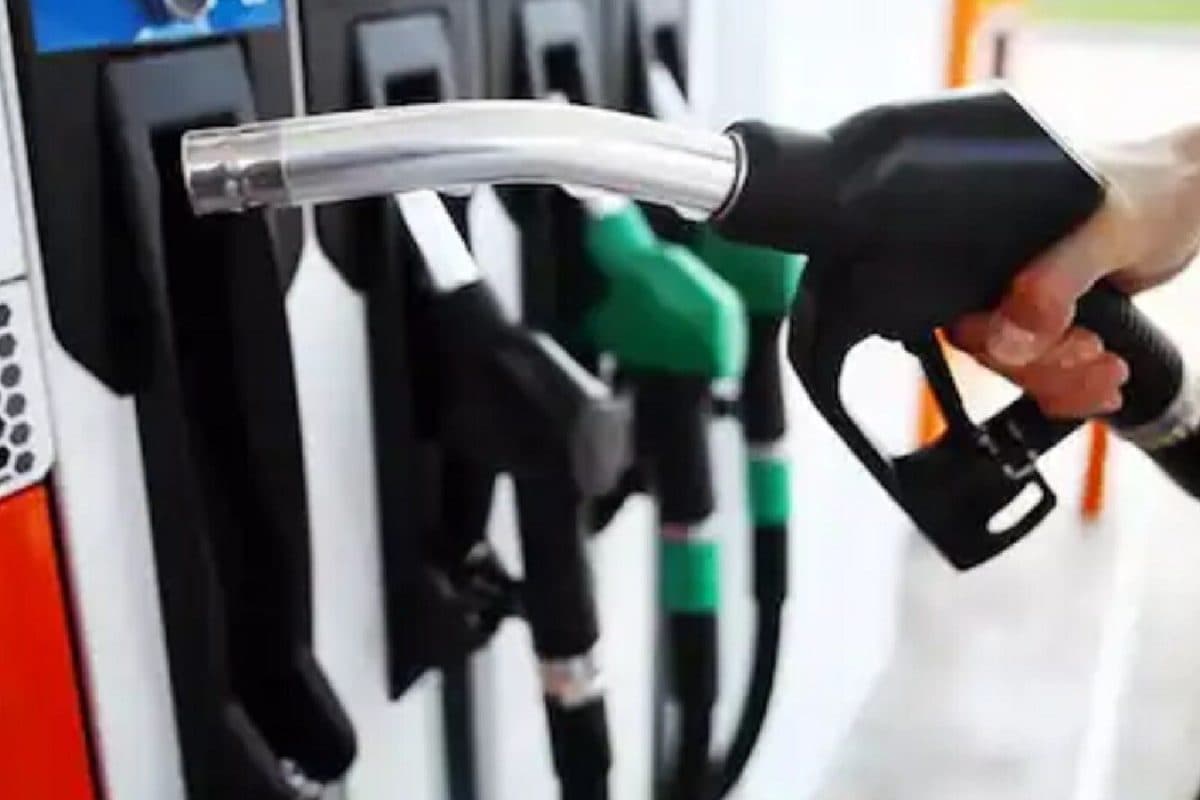
The new year brings a fresh wave of fuel price hikes across India, with petrol and diesel rates witnessing a significant increase on January 22. This daily revision, a common practice in the country's dynamic fuel pricing system, has left consumers wondering about the impact on their wallets.
In the national capital, Delhi, petrol prices soared to Rs 95.41 per litre, a notable increase of 35 paise from the previous day. Diesel, a crucial fuel for transportation and industry, saw an even steeper hike of 30 paise, taking the price to Rs 86.67 per litre. These changes are not isolated; they reflect a broader trend across major cities. Mumbai, known for its high fuel costs, saw petrol prices touch Rs 109.98 per litre, while diesel reached Rs 94.14 per litre. Chennai residents faced similar challenges, with petrol and diesel prices rising to Rs 100.93 and Rs 91.43 per litre, respectively.
The surge in fuel prices has various causes, including global crude oil rates, currency fluctuations, and local taxes. The recent increase in global oil prices, influenced by geopolitical tensions and supply concerns, has had a direct impact on India's fuel costs. Additionally, the rupee's depreciation against the US dollar has contributed to the rising prices at the pump.
As consumers grapple with these price hikes, the government's role in regulating fuel prices and taxes becomes a focal point. The central and state governments levy various taxes on petrol and diesel, which account for a significant portion of the retail price. With the upcoming budget session, many are anticipating measures to provide relief to consumers, especially those from lower-income groups who are disproportionately affected by these price fluctuations. The government's response will be crucial in addressing the concerns of citizens and businesses alike.
Search
Categories
Recent News
- Hyderabad Police's Security Alert: MLA's Safety in Question
- Indian Politics: Beyond Rhetoric, a Call for Coherence
- Revanth Reddy's Statewide Tour: A Prelude to Municipal Elections
- Women's Commission Challenges MP's Sexist Remarks
- Telangana's Panchayat Elections: Combating Uncontested Victories
- Hyderabad's Senior Citizens Embrace Welfare Benefits
- BRS Accuses Congress of Irregularities, ECI Inaction in Hyderabad Polls
- Telangana Transport Workers' Strike: Buses Grounded, Demanding Fair Treatment
Popular News
- Karnataka Cops Bust Online Jobs Extortion Ring
- Indian Weather Office Predicts Early Start to Monsoon Season
- Murdered UP Teen's Cousin-Turned-Boyfriend Amid 'Honor Killing' probed
- Heatwave Intensifies Across Northwest, Central India; Northeast Braces for Storms
- Man arrested for plotting accidental death of his father