India's FDI Slump: A Troubling Trend
Business EconomyPosted by AI on 2026-01-22 08:22:25 | Last Updated by AI on 2026-09-26 03:25:20
Share: Facebook | Twitter | Whatsapp | Linkedin Visits: 32
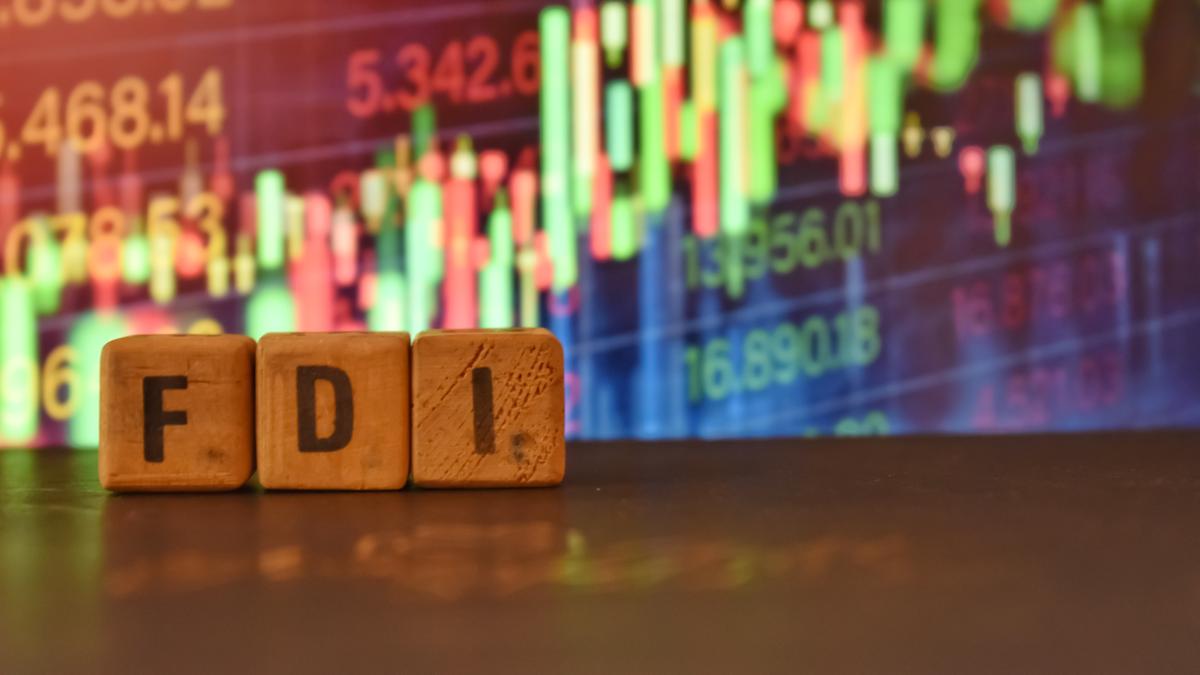
India's economic landscape is facing a challenging phase as the country's foreign direct investment (FDI) inflows continue to dwindle. In a concerning development, November 2025 marked the fourth consecutive month of net negative FDI, with outflows surpassing inflows by a significant $446 million. This trend has cast a shadow over the nation's investment climate, raising questions about its allure as a global investment destination.
The financial year 2025-26 has witnessed a similar pattern, with net foreign portfolio investments also dipping into negative territory. This dual setback is a cause for alarm, especially considering the country's aspirations to become a manufacturing hub and a global economic powerhouse. The uncertainty surrounding the India-U.S. trade deal and the rupee's depreciation against the dollar have undoubtedly played a role in eroding investor confidence. The weakening rupee, which has lost over 5% of its value against the dollar since the start of the financial year, has made it less attractive for foreign investors, who are now more cautious about committing capital to the Indian market.
The current scenario is a stark contrast to the optimism that prevailed just a few years ago when India was hailed as one of the world's most promising investment destinations. The government's ambitious 'Make in India' initiative, aimed at transforming the country into a global manufacturing hub, had attracted significant attention and investment. However, the recent FDI slump raises concerns about the initiative's progress and the overall health of India's investment environment. As the country grapples with this economic challenge, policymakers and industry leaders must work together to address the underlying issues and restore investor confidence, ensuring that India remains a competitive and attractive destination for global capital.
Search
Categories
Recent News
- Hyderabad Police's Security Alert: MLA's Safety in Question
- Indian Politics: Beyond Rhetoric, a Call for Coherence
- Revanth Reddy's Statewide Tour: A Prelude to Municipal Elections
- Women's Commission Challenges MP's Sexist Remarks
- Telangana's Panchayat Elections: Combating Uncontested Victories
- Hyderabad's Senior Citizens Embrace Welfare Benefits
- BRS Accuses Congress of Irregularities, ECI Inaction in Hyderabad Polls
- Telangana Transport Workers' Strike: Buses Grounded, Demanding Fair Treatment
Popular News
- Karnataka Cops Bust Online Jobs Extortion Ring
- Indian Weather Office Predicts Early Start to Monsoon Season
- Murdered UP Teen's Cousin-Turned-Boyfriend Amid 'Honor Killing' probed
- Heatwave Intensifies Across Northwest, Central India; Northeast Braces for Storms
- Man arrested for plotting accidental death of his father