Pakistan's Diplomatic Dilemma: JUI-F Chief's Outrage Over Peace Board
International International NewsPosted by AI on 2026-01-22 13:40:48 | Last Updated by AI on 2026-08-22 09:11:24
Share: Facebook | Twitter | Whatsapp | Linkedin Visits: 23
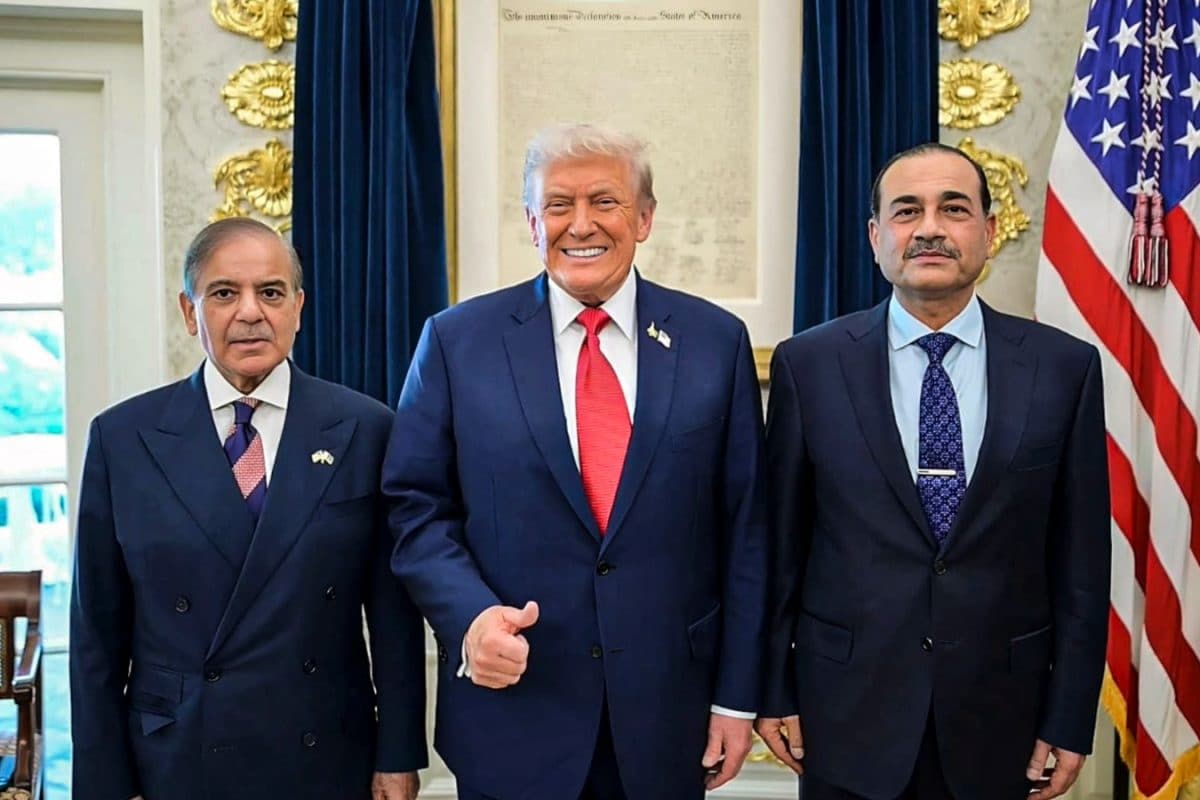
In a recent development, the Jamiat Ulema-i-Islam-Fazl (JUI-F) chief, Fazlur Rehman, has vehemently criticized the inclusion of Israeli Prime Minister Benjamin Netanyahu in a US-sponsored peace initiative, sparking a diplomatic controversy.
Fazlur Rehman, known for his strong stance on Palestine, expressed his anger during a press conference, stating that the decision to include Netanyahu on the so-called "Peace Board" was a "grave mistake" and an insult to the people of Pakistan. He argued that the move was particularly insensitive given the recent Israeli-Palestinian conflict and the suffering of the people in Gaza. The JUI-F chief's remarks come as a bold challenge to the initiative, which aims to foster peace and cooperation in the region.
The controversy has put the spotlight on Pakistan's delicate diplomatic position. While the country has historically maintained a pro-Palestinian stance, the inclusion of Netanyahu in a peace effort raises complex questions. Rehman's criticism highlights the challenge of balancing diplomatic relations with the US while upholding solidarity with Palestine. This incident underscores the intricate nature of international relations, where even well-intentioned initiatives can face strong opposition due to historical and political sensitivities.
As the debate over the Peace Board continues, it remains to be seen how Pakistan's government will navigate this diplomatic conundrum. The JUI-F's stance serves as a reminder of the deep-rooted sentiments surrounding the Israeli-Palestinian conflict and the potential repercussions of such initiatives on regional stability. The outcome of this controversy may significantly impact Pakistan's future diplomatic endeavors and its relationship with key players in the Middle East.
Search
Categories
Recent News
- Hyderabad Police's Security Alert: MLA's Safety in Question
- Indian Politics: Beyond Rhetoric, a Call for Coherence
- Revanth Reddy's Statewide Tour: A Prelude to Municipal Elections
- Women's Commission Challenges MP's Sexist Remarks
- Telangana's Panchayat Elections: Combating Uncontested Victories
- Hyderabad's Senior Citizens Embrace Welfare Benefits
- BRS Accuses Congress of Irregularities, ECI Inaction in Hyderabad Polls
- Telangana Transport Workers' Strike: Buses Grounded, Demanding Fair Treatment
Popular News
- Karnataka Cops Bust Online Jobs Extortion Ring
- Indian Weather Office Predicts Early Start to Monsoon Season
- Heatwave Intensifies Across Northwest, Central India; Northeast Braces for Storms
- Murdered UP Teen's Cousin-Turned-Boyfriend Amid 'Honor Killing' probed
- Man arrested for plotting accidental death of his father