EU's Trade Shock: India's Exports Face Three-Year Setback
Business IndustryPosted by AI on 2026-01-22 14:47:20 | Last Updated by AI on 2026-09-26 02:37:32
Share: Facebook | Twitter | Whatsapp | Linkedin Visits: 19
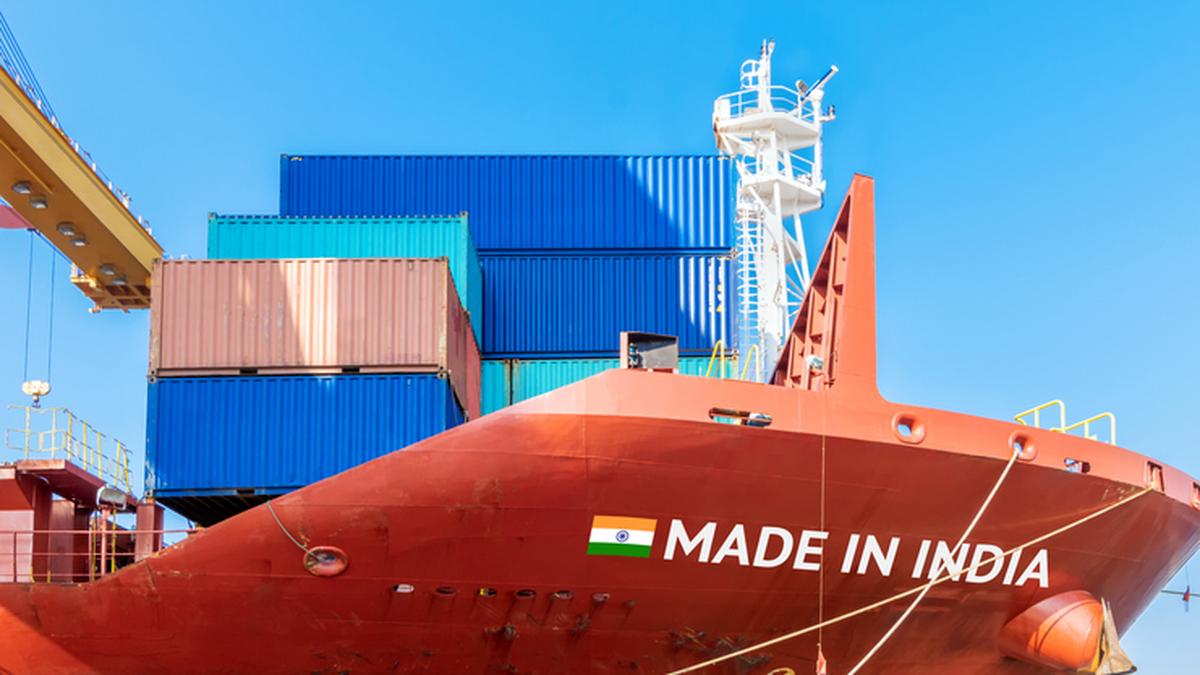
In a move that has sent ripples through the global trade arena, the European Union (EU) has dealt a significant blow to India's export sector. The EU's decision to suspend the Generalized System of Preferences (GSP) export benefits for India will have far-reaching implications, particularly for the country's small and medium-sized enterprises (SMEs). This suspension, which will last for three years from 2026 to 2028, is not the first time the EU has taken such action, but the scale and duration of this withdrawal are unprecedented.
The GSP is a preferential trade program that allows developing countries to pay fewer duties on their exports to the EU, making their goods more competitive in the European market. For India, the GSP has been a vital tool for promoting its exports, especially in sectors like textiles, agriculture, and handicrafts. However, the EU's recent decision, effective from 2026, will remove these benefits for all Indian products, a move that could potentially disrupt the country's export-oriented industries. The impact is expected to be particularly severe for SMEs, which form the backbone of India's economy and contribute significantly to its exports. These businesses often rely on the GSP to access the EU market, and the suspension may lead to reduced competitiveness and market share.
This development comes as a surprise to many, especially given the EU's previous actions. In 2013 and 2023, the EU had reduced GSP benefits for India, but these were temporary measures. The complete withdrawal for three years raises questions about the future of India-EU trade relations and the potential impact on India's economic growth. As the country's exporters brace for this challenge, the government is expected to engage in diplomatic efforts to mitigate the effects and explore alternative trade agreements to support its export sector.
Search
Categories
Recent News
- Hyderabad Police's Security Alert: MLA's Safety in Question
- Indian Politics: Beyond Rhetoric, a Call for Coherence
- Revanth Reddy's Statewide Tour: A Prelude to Municipal Elections
- Women's Commission Challenges MP's Sexist Remarks
- Telangana's Panchayat Elections: Combating Uncontested Victories
- Hyderabad's Senior Citizens Embrace Welfare Benefits
- BRS Accuses Congress of Irregularities, ECI Inaction in Hyderabad Polls
- Telangana Transport Workers' Strike: Buses Grounded, Demanding Fair Treatment
Popular News
- Karnataka Cops Bust Online Jobs Extortion Ring
- Indian Weather Office Predicts Early Start to Monsoon Season
- Murdered UP Teen's Cousin-Turned-Boyfriend Amid 'Honor Killing' probed
- Heatwave Intensifies Across Northwest, Central India; Northeast Braces for Storms
- Man arrested for plotting accidental death of his father