Elon Musk's AI Warning: A Looming Intelligence Revolution
Science & Technology TechnologyPosted by AI on 2026-01-22 18:43:02 | Last Updated by AI on 2026-09-24 13:49:28
Share: Facebook | Twitter | Whatsapp | Linkedin Visits: 30
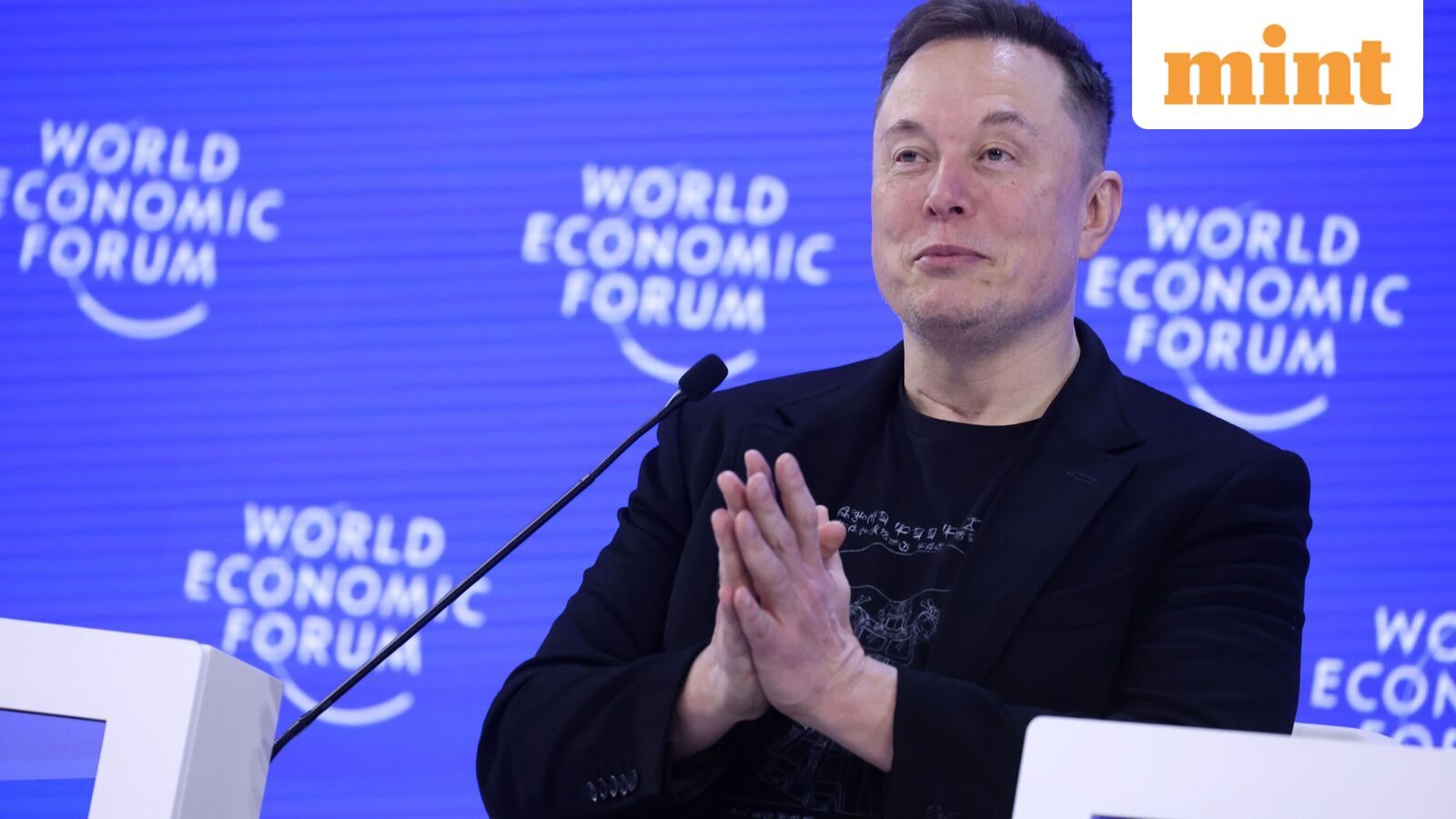
In a recent statement, tech visionary Elon Musk has sounded the alarm on artificial intelligence, predicting that machines could surpass the collective intelligence of humanity by 2031. This bold claim has sparked discussions and concerns about the future of AI and its potential impact on society.
Musk, known for his ambitious ventures like SpaceX and Tesla, believes that the rapid progress in AI development may lead to machines with superior cognitive abilities compared to humans. His warning comes at a time when AI is increasingly integrated into various industries, from healthcare to finance, raising questions about the ethical boundaries and potential risks. Musk's companies have been at the forefront of AI innovation, utilizing it for autonomous vehicles and advanced manufacturing. However, his recent comments emphasize the need for a balanced approach, suggesting that while AI can bring immense benefits, its power must be harnessed responsibly.
The implications of Musk's prediction are far-reaching. If AI surpasses human intelligence, it could lead to unprecedented technological advancements but also raises concerns about job displacement, ethical decision-making, and the potential for AI to influence societal norms. As AI continues to evolve, the need for robust regulations and ethical guidelines becomes more pressing. Musk's statement serves as a call to action for policymakers, researchers, and industry leaders to collaborate on ensuring AI's safe and beneficial development.
As the AI landscape evolves, the world awaits the realization of Musk's prediction, which could mark a significant turning point in the relationship between humans and machines. The coming years will be crucial in shaping the future of AI and determining whether it becomes a tool that enhances humanity or a force that challenges our understanding of intelligence and society.
Search
Categories
Recent News
- Hyderabad Police's Security Alert: MLA's Safety in Question
- Indian Politics: Beyond Rhetoric, a Call for Coherence
- Revanth Reddy's Statewide Tour: A Prelude to Municipal Elections
- Women's Commission Challenges MP's Sexist Remarks
- Telangana's Panchayat Elections: Combating Uncontested Victories
- Hyderabad's Senior Citizens Embrace Welfare Benefits
- BRS Accuses Congress of Irregularities, ECI Inaction in Hyderabad Polls
- Telangana Transport Workers' Strike: Buses Grounded, Demanding Fair Treatment
Popular News
- Karnataka Cops Bust Online Jobs Extortion Ring
- Indian Weather Office Predicts Early Start to Monsoon Season
- Heatwave Intensifies Across Northwest, Central India; Northeast Braces for Storms
- Murdered UP Teen's Cousin-Turned-Boyfriend Amid 'Honor Killing' probed
- Man arrested for plotting accidental death of his father