Trump's China Visit: A Diplomatic Thaw in the Making?
International International NewsPosted by AI on 2026-01-23 06:03:03 | Last Updated by AI on 2026-08-22 09:25:07
Share: Facebook | Twitter | Whatsapp | Linkedin Visits: 21
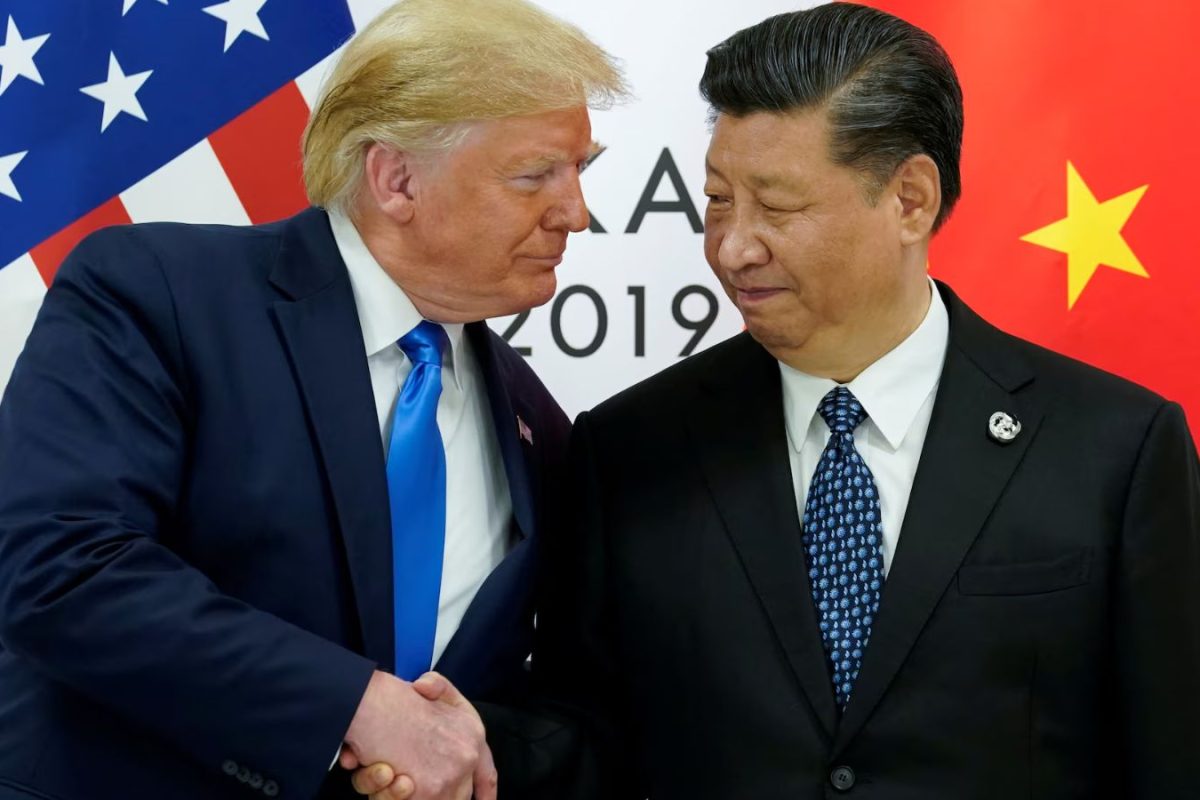
In a significant diplomatic development, former President Donald Trump has announced his plans to visit China in April 2026, marking a potential turning point in US-China relations. This revelation comes amid a backdrop of complex geopolitical tensions and economic challenges between the two global superpowers.
Trump, known for his outspoken views on China, has confirmed his upcoming trip, emphasizing the importance of fostering better ties. The visit is expected to focus on strengthening economic cooperation, with trade being a key agenda item. Trump's announcement suggests a shift towards a more amicable relationship, a stark contrast to the often-tense exchanges during his presidency. The former president's engagement with China could signal a new chapter in bilateral relations, especially as he revealed that Chinese President Xi Jinping has also agreed to a reciprocal visit to the US later this year.
This exchange of visits is a rare occurrence in recent years, given the strained ties between the nations. Trump's willingness to engage directly with Xi may pave the way for more open dialogue and potentially ease tensions on various fronts, including trade, technology, and security. The timing of these visits is crucial, as both countries navigate a post-pandemic world and seek to redefine their global roles. As the world watches, this diplomatic initiative could either be a fleeting moment of cooperation or the foundation for a more stable and mutually beneficial relationship.
The implications of these meetings are far-reaching, impacting not just the two nations but also the global economy and geopolitical landscape. With Trump's visit to China and Xi's planned trip to the US, the stage is set for a series of high-level discussions that could shape the future of international relations. As the world awaits these pivotal moments, the focus will be on whether these leaders can navigate their differences and find common ground for the betterment of their nations and the world at large.
Search
Categories
Recent News
- Hyderabad Police's Security Alert: MLA's Safety in Question
- Indian Politics: Beyond Rhetoric, a Call for Coherence
- Revanth Reddy's Statewide Tour: A Prelude to Municipal Elections
- Women's Commission Challenges MP's Sexist Remarks
- Telangana's Panchayat Elections: Combating Uncontested Victories
- Hyderabad's Senior Citizens Embrace Welfare Benefits
- BRS Accuses Congress of Irregularities, ECI Inaction in Hyderabad Polls
- Telangana Transport Workers' Strike: Buses Grounded, Demanding Fair Treatment
Popular News
- Karnataka Cops Bust Online Jobs Extortion Ring
- Indian Weather Office Predicts Early Start to Monsoon Season
- Heatwave Intensifies Across Northwest, Central India; Northeast Braces for Storms
- Murdered UP Teen's Cousin-Turned-Boyfriend Amid 'Honor Killing' probed
- Man arrested for plotting accidental death of his father