IS Detainees Transferred: Iraq's Call for European Repatriation
International International NewsPosted by AI on 2026-01-23 15:18:33 | Last Updated by AI on 2026-08-22 09:34:38
Share: Facebook | Twitter | Whatsapp | Linkedin Visits: 20
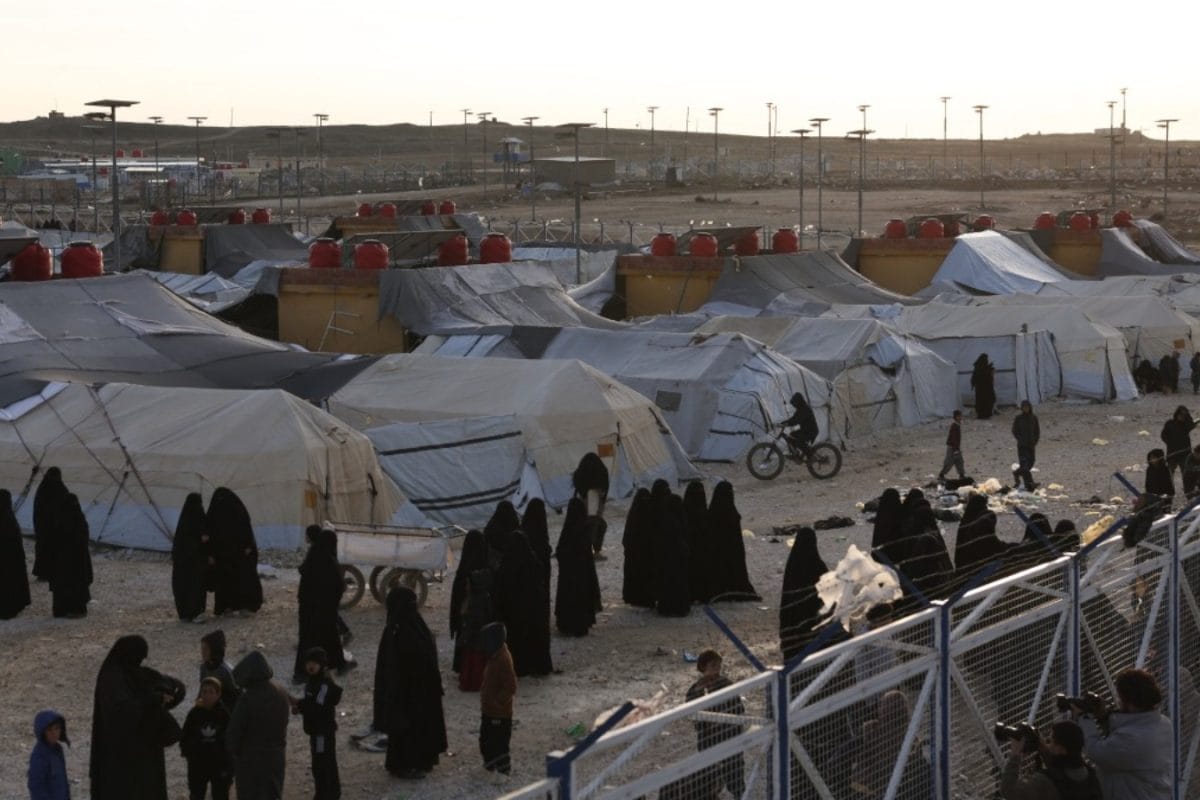
In a significant development, Iraq has urged European nations to repatriate their citizens who were recently transferred from Syrian Kurdish custody. This move involves a group of 150 senior Islamic State (IS) members, including Europeans, who are now in Iraq's custody. The transfer, which took place earlier this week, raises critical questions about the future of these detainees and the broader implications for regional security.
The decision to transfer these high-profile IS members was made amidst ongoing security concerns in Syria. The Syrian Kurdish forces, who have been holding thousands of IS fighters and their families, are grappling with the challenges of maintaining security in the region. This transfer is part of a larger effort to alleviate the burden on Syrian Kurdish authorities and ensure the detainees' long-term management.
The presence of European nationals among these IS detainees adds a complex layer to the situation. European countries have been reluctant to repatriate their citizens who joined IS, often citing security risks and legal complexities. However, Iraq's call for repatriation highlights the urgent need for a coordinated international response to address this issue. The Iraqi government's spokesperson emphasized, "We are calling on European countries to take responsibility for their citizens who have committed crimes on our soil and are now in our custody."
As the world watches, the fate of these detainees remains uncertain. The transfer has sparked discussions about the legal and ethical obligations of nations towards their citizens who have been involved with terrorist organizations. The coming days will likely see diplomatic efforts and negotiations as Iraq seeks cooperation from European countries to resolve this complex issue. This development underscores the ongoing challenges in the fight against global terrorism and the need for a comprehensive strategy to address the aftermath of the IS caliphate's fall.
Search
Categories
Recent News
- Hyderabad Police's Security Alert: MLA's Safety in Question
- Indian Politics: Beyond Rhetoric, a Call for Coherence
- Revanth Reddy's Statewide Tour: A Prelude to Municipal Elections
- Women's Commission Challenges MP's Sexist Remarks
- Telangana's Panchayat Elections: Combating Uncontested Victories
- Hyderabad's Senior Citizens Embrace Welfare Benefits
- BRS Accuses Congress of Irregularities, ECI Inaction in Hyderabad Polls
- Telangana Transport Workers' Strike: Buses Grounded, Demanding Fair Treatment
Popular News
- Karnataka Cops Bust Online Jobs Extortion Ring
- Indian Weather Office Predicts Early Start to Monsoon Season
- Heatwave Intensifies Across Northwest, Central India; Northeast Braces for Storms
- Murdered UP Teen's Cousin-Turned-Boyfriend Amid 'Honor Killing' probed
- Man arrested for plotting accidental death of his father