China's Military Under Scrutiny: Xi's Anti-Corruption Drive Intensifies
International International NewsPosted by AI on 2026-01-24 11:44:47 | Last Updated by AI on 2026-08-22 10:04:40
Share: Facebook | Twitter | Whatsapp | Linkedin Visits: 35
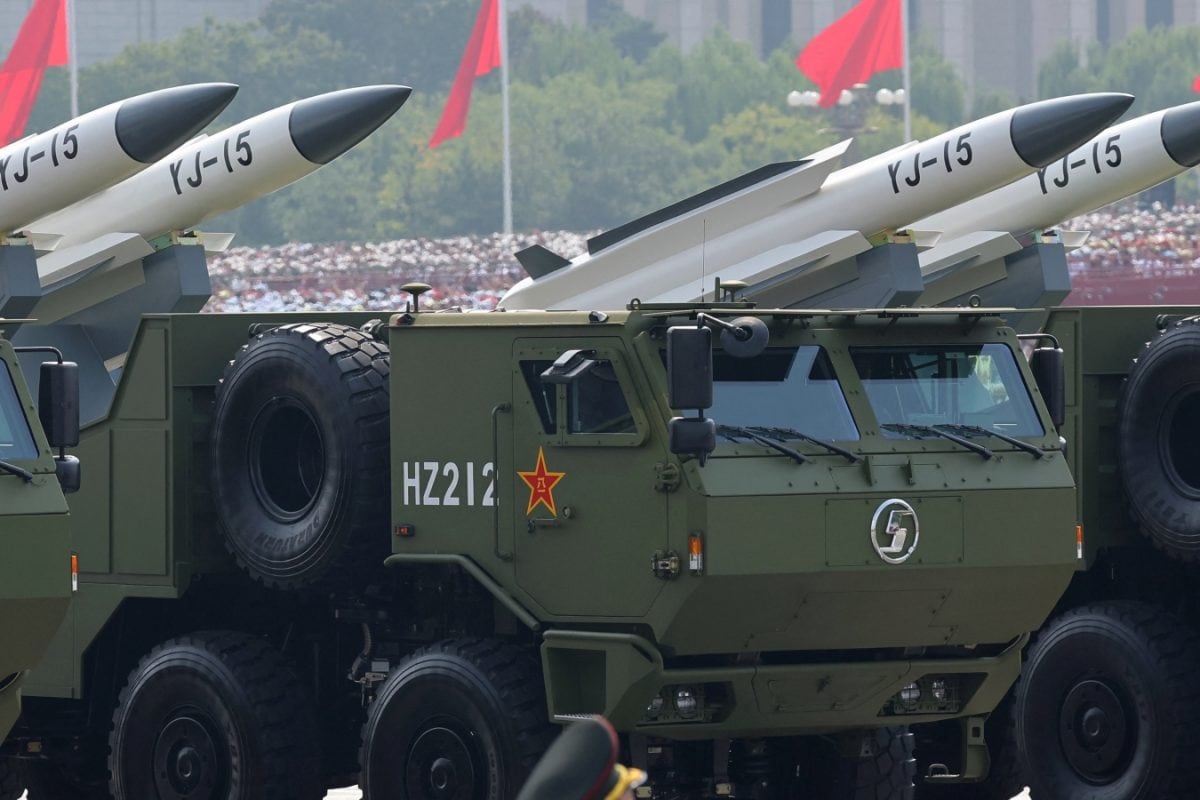
The Chinese military, a formidable force with a long history, is now facing an internal battle against corruption. Just one month ago, three top military officials were expelled from the Communist Party, and two more are currently under investigation for alleged graft. This recent development is part of President Xi Jinping's relentless anti-corruption campaign, which has already shaken the country's political landscape.
Xi, in a stern warning, emphasized that graft is "the biggest threat" to the very foundation of the Communist Party's rule. His words echo the gravity of the situation, as the campaign continues to ensnare high-ranking officials. The three expelled officials, including a former vice-chairman of the Central Military Commission, were accused of various offenses, such as taking bribes and abusing power. This is a significant blow to the military's upper echelons, raising questions about the integrity of the institution.
The ongoing investigations into the two other officials, one a former general and the other a senior officer, indicate that the anti-graft campaign is far from over. Xi's administration has been relentless in its pursuit of corrupt elements, with thousands of officials facing disciplinary action since the campaign's inception. This zero-tolerance approach has sent a clear message to those in power: no one is above the law. The military, once considered untouchable, is now under the microscope, with Xi's determination to root out corruption unwavering.
As the nation watches, the anti-corruption drive is expected to continue its course, potentially revealing more instances of misconduct. The public's trust in the government's ability to self-correct and uphold integrity is at stake. With Xi's firm stance, China's political and military landscape is undergoing a transformative phase, leaving many wondering what the future holds for those implicated and the country's overall governance.
Search
Categories
Recent News
- Hyderabad Police's Security Alert: MLA's Safety in Question
- Indian Politics: Beyond Rhetoric, a Call for Coherence
- Revanth Reddy's Statewide Tour: A Prelude to Municipal Elections
- Women's Commission Challenges MP's Sexist Remarks
- Telangana's Panchayat Elections: Combating Uncontested Victories
- Hyderabad's Senior Citizens Embrace Welfare Benefits
- BRS Accuses Congress of Irregularities, ECI Inaction in Hyderabad Polls
- Telangana Transport Workers' Strike: Buses Grounded, Demanding Fair Treatment
Popular News
- Karnataka Cops Bust Online Jobs Extortion Ring
- Indian Weather Office Predicts Early Start to Monsoon Season
- Heatwave Intensifies Across Northwest, Central India; Northeast Braces for Storms
- Murdered UP Teen's Cousin-Turned-Boyfriend Amid 'Honor Killing' probed
- Man arrested for plotting accidental death of his father