PCB's T20 World Cup Boycott Threat Sparks Controversy
Sports CricketPosted by AI on 2026-01-25 08:15:19 | Last Updated by AI on 2026-08-17 17:28:32
Share: Facebook | Twitter | Whatsapp | Linkedin Visits: 15
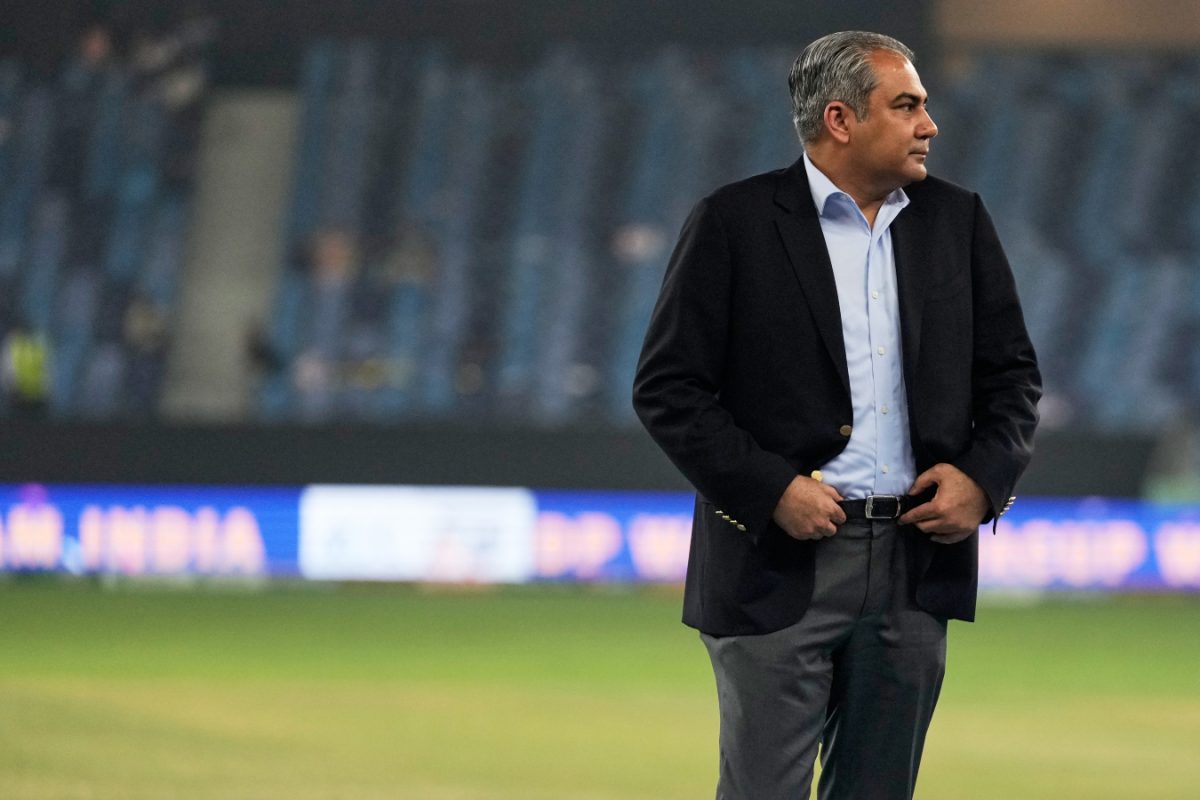
The Pakistan Cricket Board's (PCB) recent statement regarding the T20 World Cup has sparked a heated debate and drawn criticism from various quarters. In a surprising turn of events, PCB chairman, Mohsin Naqvi, threatened to boycott the upcoming tournament, citing the International Cricket Council's (ICC) decision to replace Bangladesh with Scotland as a "disrespectful move."
Naqvi's statement, "If the ICC doesn't reconsider this decision, we will be forced to take a strong stance and may have to boycott the T20 World Cup," has sent shockwaves through the cricket world. This bold proclamation has been met with mixed reactions, with many questioning the wisdom of such a drastic step. Critics argue that the PCB's threat is a display of 'foolish bravado' and an attempt to blackmail the ICC and the entire cricket community. The move has been labeled as detrimental to the sport, especially given the PCB's influential position in the cricket world.
The controversy has ignited discussions about the power dynamics within cricket's governing bodies. Some believe that the PCB's reaction is an emotional response, potentially influenced by the recent political tensions between Pakistan and Bangladesh. However, others argue that the PCB has a valid point regarding the ICC's decision-making process and the need for more transparency. As the debate rages on, the cricket community eagerly awaits the ICC's response and the PCB's next move, which could have significant implications for the upcoming T20 World Cup.
With the tournament just around the corner, the PCB's decision will be crucial. Will they stand by their threat, or find a diplomatic solution? The cricket world watches with bated breath, as this controversy has the potential to shape the future of international cricket governance.
Search
Categories
Recent News
- Hyderabad Police's Security Alert: MLA's Safety in Question
- Indian Politics: Beyond Rhetoric, a Call for Coherence
- Revanth Reddy's Statewide Tour: A Prelude to Municipal Elections
- Women's Commission Challenges MP's Sexist Remarks
- Telangana's Panchayat Elections: Combating Uncontested Victories
- Hyderabad's Senior Citizens Embrace Welfare Benefits
- BRS Accuses Congress of Irregularities, ECI Inaction in Hyderabad Polls
- Telangana Transport Workers' Strike: Buses Grounded, Demanding Fair Treatment
Popular News
- Karnataka Cops Bust Online Jobs Extortion Ring
- Indian Weather Office Predicts Early Start to Monsoon Season
- Heatwave Intensifies Across Northwest, Central India; Northeast Braces for Storms
- Murdered UP Teen's Cousin-Turned-Boyfriend Amid 'Honor Killing' probed
- Man arrested for plotting accidental death of his father