Cruz's Leaked Audio: A Warning of Economic Woes and Impeachment
International International NewsPosted by AI on 2026-01-25 19:34:48 | Last Updated by AI on 2026-08-22 11:21:56
Share: Facebook | Twitter | Whatsapp | Linkedin Visits: 31
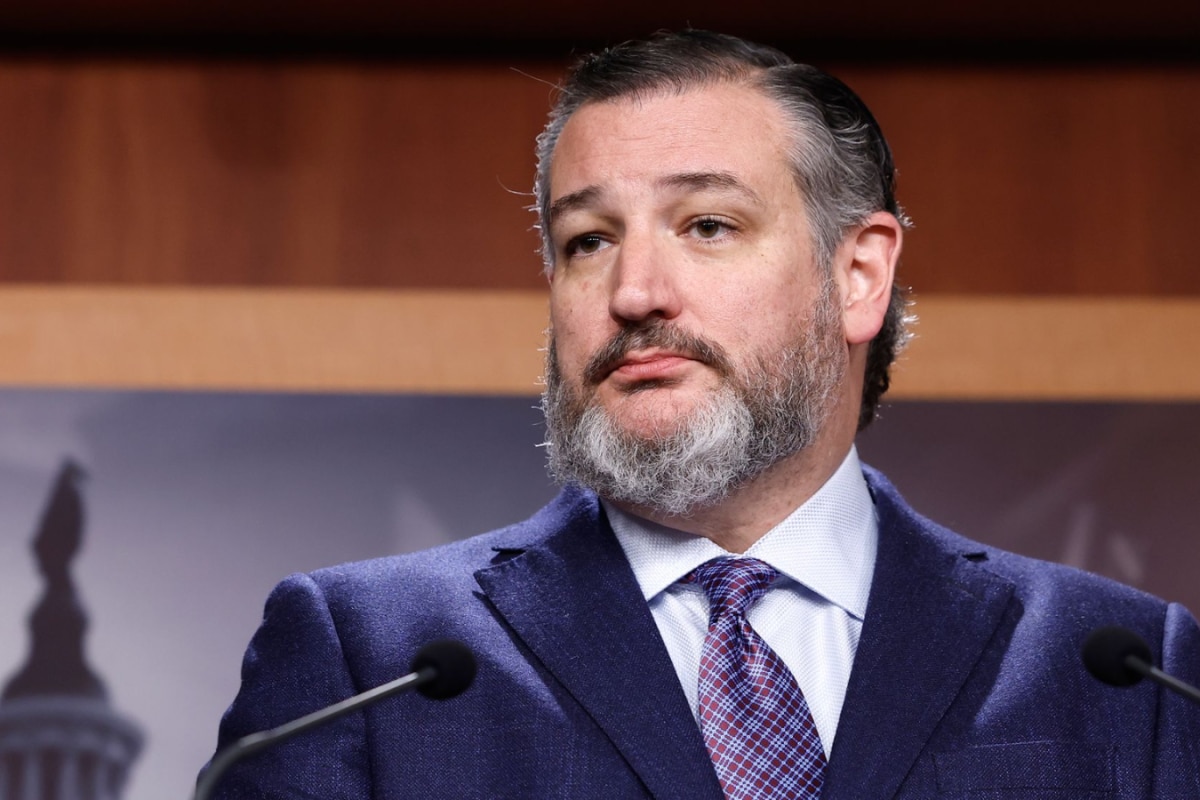
In a leaked audio recording, Senator Ted Cruz's candid remarks at a private donor event have sparked intrigue and concern within the Republican Party. Cruz's comments, which were intended for a select audience, have now become a public revelation, shedding light on the potential consequences of former President Trump's policies and the delicate political landscape ahead.
The audio, obtained by a prominent news outlet, reveals a stark warning from Cruz about the economic impact of Trump's tariffs. He cautioned that if Republicans experience significant losses in the 2026 midterm elections, the tariffs could severely damage the economy. This prediction is particularly noteworthy as it comes from a senator known for his staunch support of Trump's policies during his presidency. Cruz's concern suggests a growing unease among Republicans about the potential fallout from the former president's trade strategies.
Furthermore, Cruz's comments took an unexpected turn when he pointed fingers at JD Vance and Peter Navarro, blaming them for stalling a crucial India trade deal. This accusation adds a layer of internal conflict to the narrative, as Vance and Navarro are both prominent figures in the Republican Party. Cruz's criticism raises questions about the unity within the party and the potential consequences for future trade negotiations. The leaked audio has already sparked discussions among political analysts, who speculate that it could impact the party's strategy and public perception.
As the news spreads, the Republican Party finds itself in a delicate position, navigating the aftermath of Trump's policies and the challenges of maintaining a unified front. The leaked audio has not only exposed internal tensions but has also brought to light the potential economic and political repercussions of past decisions. With the 2026 midterms on the horizon, this revelation may shape the party's approach and the public's perception of their ability to govern effectively.
Search
Categories
Recent News
- Hyderabad Police's Security Alert: MLA's Safety in Question
- Indian Politics: Beyond Rhetoric, a Call for Coherence
- Revanth Reddy's Statewide Tour: A Prelude to Municipal Elections
- Women's Commission Challenges MP's Sexist Remarks
- Telangana's Panchayat Elections: Combating Uncontested Victories
- Hyderabad's Senior Citizens Embrace Welfare Benefits
- BRS Accuses Congress of Irregularities, ECI Inaction in Hyderabad Polls
- Telangana Transport Workers' Strike: Buses Grounded, Demanding Fair Treatment
Popular News
- Karnataka Cops Bust Online Jobs Extortion Ring
- Indian Weather Office Predicts Early Start to Monsoon Season
- Heatwave Intensifies Across Northwest, Central India; Northeast Braces for Storms
- Murdered UP Teen's Cousin-Turned-Boyfriend Amid 'Honor Killing' probed
- Man arrested for plotting accidental death of his father