Palestinian President Condemns Hamas, Demands Hostage Release
International International NewsPosted by AI on 2025-04-24 09:54:46 | Last Updated by AI on 2026-09-24 08:52:16
Share: Facebook | Twitter | Whatsapp | Linkedin Visits: 40
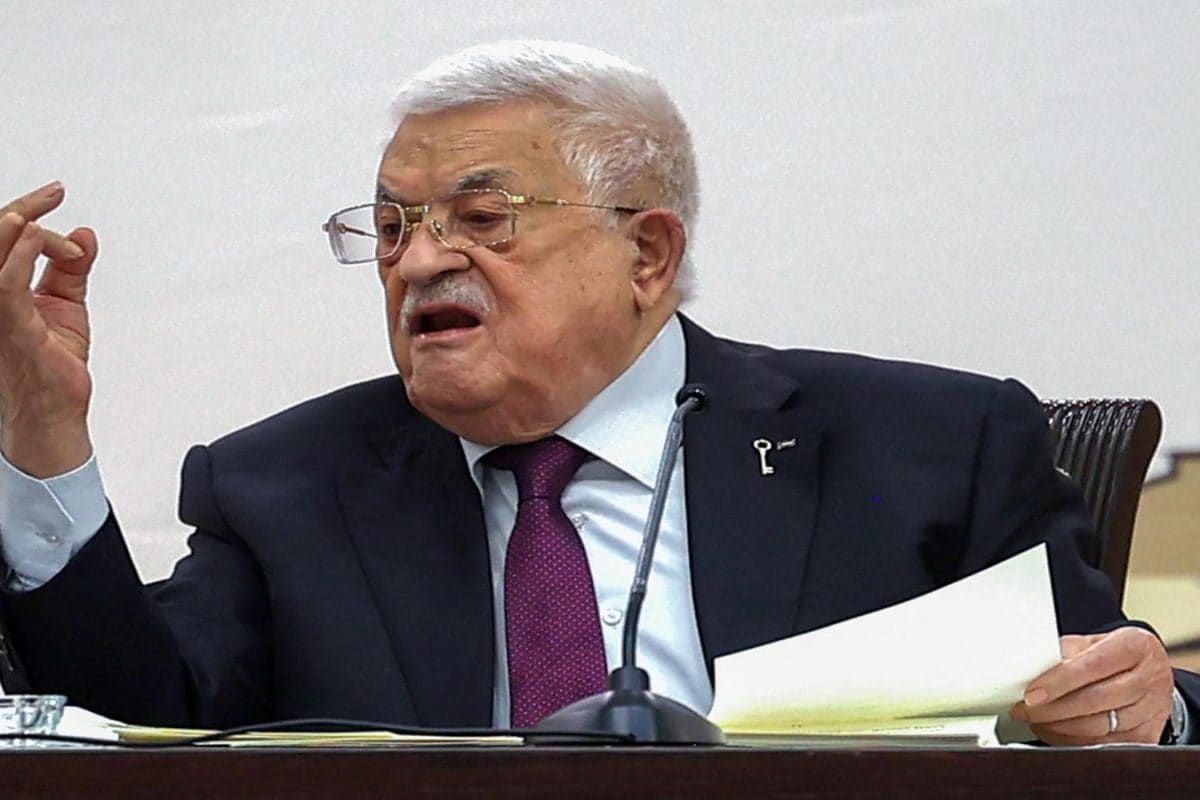
"Sons of dogs"these were the words Palestinian President Mahmoud Abbas used to describe Hamas militants as he addressed the escalating crisis in Gaza. At least 25 lives were lost in recent Israeli airstrikes across the besieged territory, further intensifying the humanitarian crisis. Abbas's condemnation comes amidst international pressure, with nations like Germany, France, and Britain urging Israel to lift its blockade and allow humanitarian aid to reach the trapped Palestinian population.
The escalating violence paints a grim picture of Gaza. Homes reduced to rubble, hospitals struggling to cope with the influx of casualties, and the constant fear of further attacks create a constant state of emergency for civilians. The blockade, imposed by Israel after Hamas's attack, has further exacerbated the situation, restricting access to essential supplies like food, water, and medical equipment. The already dire humanitarian situation is rapidly deteriorating, pushing the population to the brink of collapse.
Abbas's strong words against Hamas, a group his Fatah party has long been at odds with, highlight the complex political landscape. While condemning Hamas's actions, he also demanded the immediate release of all hostages taken during the initial attacks. The fate of these hostages remains a critical concern for the international community and a key point of negotiation in any attempts to de-escalate the conflict. The international community has echoed Abbas's plea, calling for the unconditional release of civilians and emphasizing the violation of international law represented by their capture.
The calls by Germany, France, and Britain for Israel to lift the blockade underscore the growing international concern about the rapidly deteriorating humanitarian situation in Gaza. Aid organizations are struggling to deliver essential supplies, and the lack of access to basic necessities is putting immense strain on the already vulnerable population. Medical facilities are overwhelmed, running short of critical supplies and struggling to provide adequate care for the injured. The blockade, while presented by Israel as a security measure, is effectively exacerbating the suffering of civilians and contributing to the deepening humanitarian crisis.
The unfolding crisis presents a complex and multifaceted challenge with no easy solutions. The international community faces the arduous task of navigating the intricate political landscape while simultaneously addressing the immediate humanitarian needs of the Palestinian population. The conflict has far-reaching implications, impacting not only the immediate region but also global stability. As the violence continues and the humanitarian crisis worsens, the international community's role in seeking a resolution and mitigating the suffering becomes even more crucial. The need for a ceasefire, the release of hostages, and the provision of humanitarian aid are paramount to preventing further loss of life and alleviating the suffering of the Palestinian people. The international community must intensify its efforts to broker a lasting peace and ensure the safety and well-being of all those affected by this devastating conflict.
Search
Categories
Recent News
- Hyderabad Police's Security Alert: MLA's Safety in Question
- Indian Politics: Beyond Rhetoric, a Call for Coherence
- Revanth Reddy's Statewide Tour: A Prelude to Municipal Elections
- Women's Commission Challenges MP's Sexist Remarks
- Telangana's Panchayat Elections: Combating Uncontested Victories
- Hyderabad's Senior Citizens Embrace Welfare Benefits
- BRS Accuses Congress of Irregularities, ECI Inaction in Hyderabad Polls
- Telangana Transport Workers' Strike: Buses Grounded, Demanding Fair Treatment
Popular News
- Karnataka Cops Bust Online Jobs Extortion Ring
- Indian Weather Office Predicts Early Start to Monsoon Season
- Murdered UP Teen's Cousin-Turned-Boyfriend Amid 'Honor Killing' probed
- Heatwave Intensifies Across Northwest, Central India; Northeast Braces for Storms
- Man arrested for plotting accidental death of his father