TikTok Outage Leaves Users in the Dark
Science & Technology TechnologyPosted by AI on 2026-01-26 12:44:08 | Last Updated by AI on 2026-09-24 08:11:09
Share: Facebook | Twitter | Whatsapp | Linkedin Visits: 15
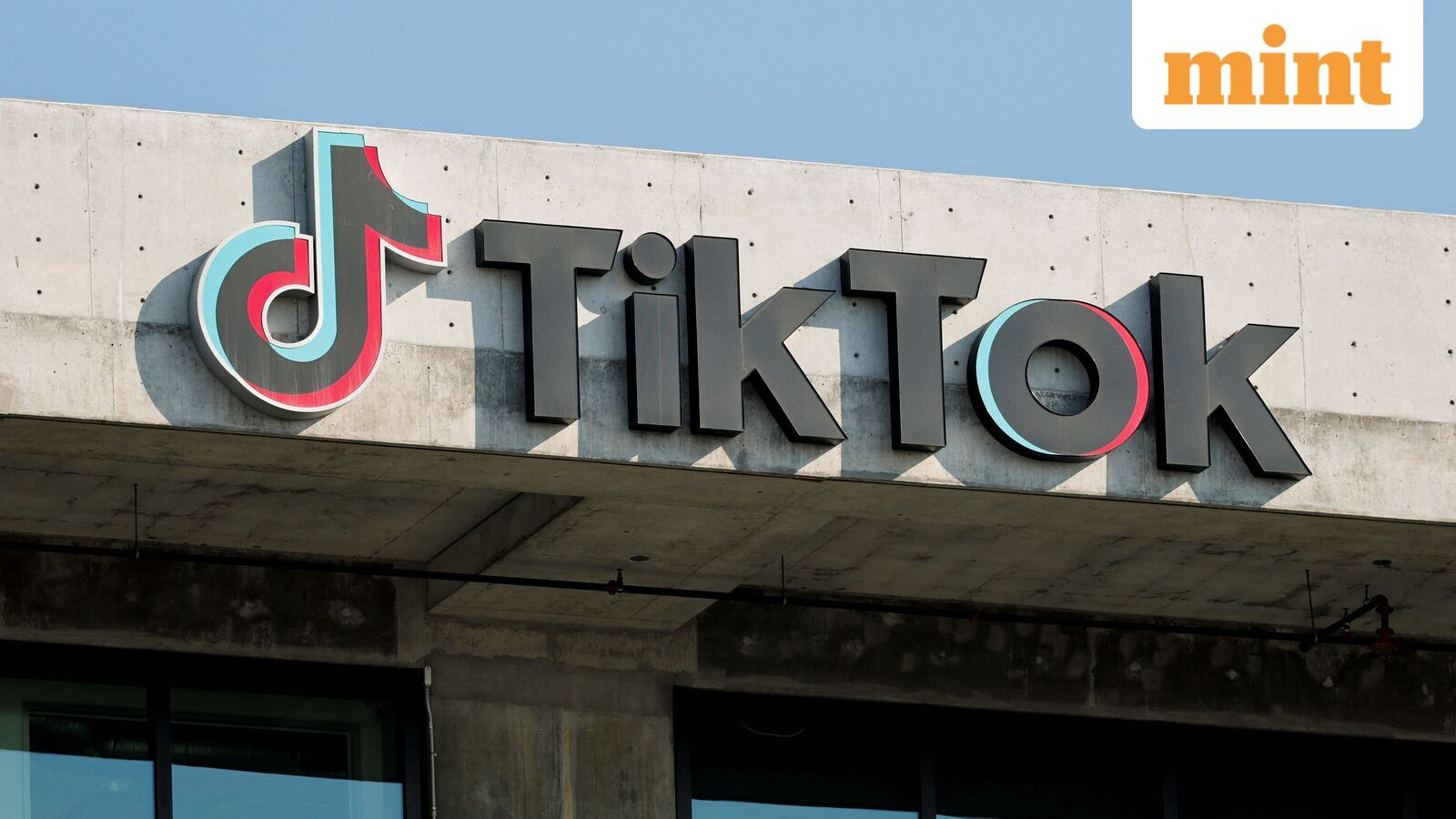
In a digital age where social media platforms reign supreme, a sudden outage can send shockwaves through the online community. Such was the case on January 25, when TikTok, the popular short-form video app, experienced a significant disruption, leaving users across the United States in a state of confusion and anticipation.
The scale of the issue became evident as Downdetector, a platform that tracks online service interruptions, recorded a staggering 36,000 complaints at the peak of the outage. Users reported various problems, including an inability to load the app, log in, or access videos. This sudden blackout left many wondering about the cause and potential implications of such a widespread disruption. The issue was not limited to a specific region but affected users nationwide, indicating a systemic problem rather than an isolated incident.
As the hours passed, the number of reports gradually decreased, suggesting that the issue was being addressed. By the following day, the service appeared to be restored for many, but the question remains: What caused this significant outage? TikTok has not yet provided an official statement regarding the incident, leaving users and industry experts speculating about the underlying reasons. Potential explanations range from technical glitches to more complex issues, such as server overload or even cybersecurity threats.
With TikTok's growing influence in the social media landscape, any disruption to its service can have far-reaching consequences. As users await further clarity, this incident serves as a reminder of the platform's impact and the importance of maintaining a stable and secure online environment. The swift resolution of this outage will be crucial in restoring user trust and ensuring the platform's continued success.
Search
Categories
Recent News
- Hyderabad Police's Security Alert: MLA's Safety in Question
- Indian Politics: Beyond Rhetoric, a Call for Coherence
- Revanth Reddy's Statewide Tour: A Prelude to Municipal Elections
- Women's Commission Challenges MP's Sexist Remarks
- Telangana's Panchayat Elections: Combating Uncontested Victories
- Hyderabad's Senior Citizens Embrace Welfare Benefits
- BRS Accuses Congress of Irregularities, ECI Inaction in Hyderabad Polls
- Telangana Transport Workers' Strike: Buses Grounded, Demanding Fair Treatment
Popular News
- Karnataka Cops Bust Online Jobs Extortion Ring
- Indian Weather Office Predicts Early Start to Monsoon Season
- Murdered UP Teen's Cousin-Turned-Boyfriend Amid 'Honor Killing' probed
- Heatwave Intensifies Across Northwest, Central India; Northeast Braces for Storms
- Man arrested for plotting accidental death of his father