Winter's Fury: A Nation Batters Under Extreme Weather
International International NewsPosted by AI on 2026-01-26 14:43:29 | Last Updated by AI on 2026-08-22 12:11:57
Share: Facebook | Twitter | Whatsapp | Linkedin Visits: 31
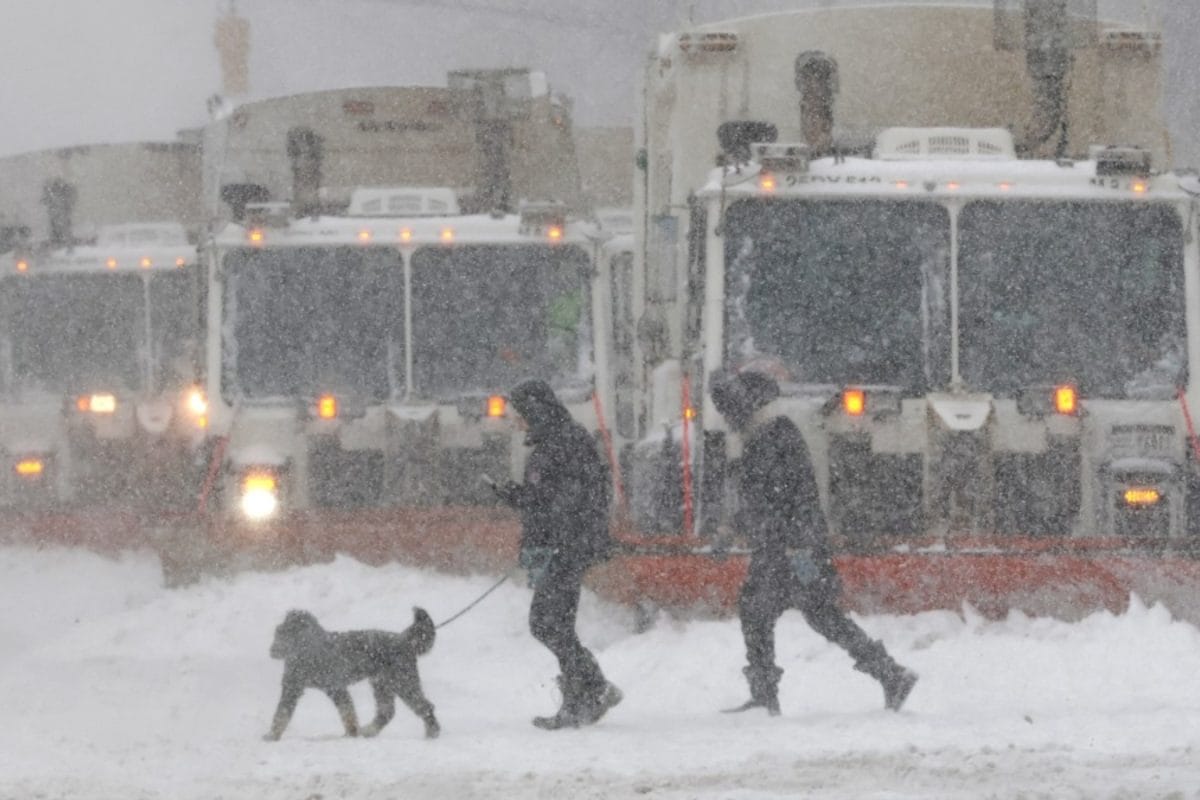
A powerful winter storm has unleashed its wrath across the United States, leaving a trail of devastation and disruption in its wake. With at least 11 lives claimed and over 19,000 flights cancelled, the nation is grappling with the aftermath of this deadly weather event. The storm's impact was widespread, affecting a vast expanse of the country, from the Midwest to the Northeast.
The storm brought a formidable combination of heavy snow, sleet, and freezing rain, transforming landscapes into treacherous winter wonderlands. Cities like Chicago and Detroit bore the brunt of the storm, with snowfall accumulating to depths that paralyzed transportation networks. The weather conditions prompted urgent travel advisories, urging residents to stay off the roads unless absolutely necessary. The storm's reach extended beyond the Midwest, as the Northeast braced for its impact. New York City, a bustling metropolis, witnessed a rare sight as snow blanketed its iconic skyline, creating a serene yet hazardous environment.
As temperatures plummet to dangerously low levels this week, the focus shifts to recovery and resilience. The storm's aftermath has left communities scrambling to restore normalcy. Emergency services are working tirelessly to clear roads, rescue stranded motorists, and assist those affected by power outages. The scale of the storm's impact is evident in the thousands of cancelled flights, disrupting travel plans and causing widespread inconvenience. The economic repercussions of such disruptions are yet to be fully assessed, but the immediate priority remains ensuring the safety and well-being of those affected.
The nation's resilience will be tested as it emerges from this winter storm, with communities coming together to support one another. As the cleanup and recovery efforts continue, the hope is that the worst is now behind, and the nation can begin to heal and rebuild.
Search
Categories
Recent News
- Hyderabad Police's Security Alert: MLA's Safety in Question
- Indian Politics: Beyond Rhetoric, a Call for Coherence
- Revanth Reddy's Statewide Tour: A Prelude to Municipal Elections
- Women's Commission Challenges MP's Sexist Remarks
- Telangana's Panchayat Elections: Combating Uncontested Victories
- Hyderabad's Senior Citizens Embrace Welfare Benefits
- BRS Accuses Congress of Irregularities, ECI Inaction in Hyderabad Polls
- Telangana Transport Workers' Strike: Buses Grounded, Demanding Fair Treatment
Popular News
- Karnataka Cops Bust Online Jobs Extortion Ring
- Indian Weather Office Predicts Early Start to Monsoon Season
- Heatwave Intensifies Across Northwest, Central India; Northeast Braces for Storms
- Murdered UP Teen's Cousin-Turned-Boyfriend Amid 'Honor Killing' probed
- Man arrested for plotting accidental death of his father