India Questions UN's Role in a Changing Global Landscape
International International NewsPosted by AI on 2026-01-27 09:18:43 | Last Updated by AI on 2026-08-22 12:45:37
Share: Facebook | Twitter | Whatsapp | Linkedin Visits: 14
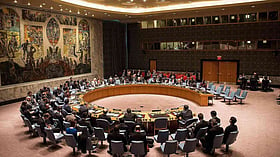
In a thought-provoking address at the United Nations, India's Permanent Representative has sparked a crucial dialogue on the evolving nature of global diplomacy. With a shift towards plurilateral engagements, the traditional multilateral approach to international relations is facing a significant challenge.
"The United Nations, a cornerstone of global peace and security, is at a crossroads," remarked the Indian envoy, capturing the essence of the nation's stance. The statement comes at a time when the world is witnessing a transformation in the way countries engage with each other. As the global discourse evolves, India highlights a growing concern: the UN's role as the primary guarantor of international peace and security is being questioned. This shift in perception is a result of the changing dynamics of international cooperation.
The rise of plurilateralism, where smaller groups of countries come together to address specific issues, has gained prominence. This trend challenges the traditional UN-led multilateral approach, which has been the bedrock of global diplomacy since the end of World War II. With this new paradigm, the UN's ability to effectively address complex global issues is being scrutinized. The Indian representative's statement reflects a broader sentiment among nations, especially those seeking more inclusive and flexible platforms for international cooperation.
As the world navigates this diplomatic evolution, the UN's future role remains a critical question. The organization must adapt to the changing landscape, ensuring its relevance and effectiveness in a world where global challenges demand innovative solutions. This debate is set to shape the future of international relations, leaving the UN at a pivotal juncture in its history.
Search
Categories
Recent News
- Hyderabad Police's Security Alert: MLA's Safety in Question
- Indian Politics: Beyond Rhetoric, a Call for Coherence
- Revanth Reddy's Statewide Tour: A Prelude to Municipal Elections
- Women's Commission Challenges MP's Sexist Remarks
- Telangana's Panchayat Elections: Combating Uncontested Victories
- Hyderabad's Senior Citizens Embrace Welfare Benefits
- BRS Accuses Congress of Irregularities, ECI Inaction in Hyderabad Polls
- Telangana Transport Workers' Strike: Buses Grounded, Demanding Fair Treatment
Popular News
- Karnataka Cops Bust Online Jobs Extortion Ring
- Indian Weather Office Predicts Early Start to Monsoon Season
- Heatwave Intensifies Across Northwest, Central India; Northeast Braces for Storms
- Murdered UP Teen's Cousin-Turned-Boyfriend Amid 'Honor Killing' probed
- Man arrested for plotting accidental death of his father