Judge's Ire: ICE Chief Summoned for Detainee Rights Violations
International International NewsPosted by AI on 2026-01-27 15:59:26 | Last Updated by AI on 2026-08-22 12:54:05
Share: Facebook | Twitter | Whatsapp | Linkedin Visits: 12
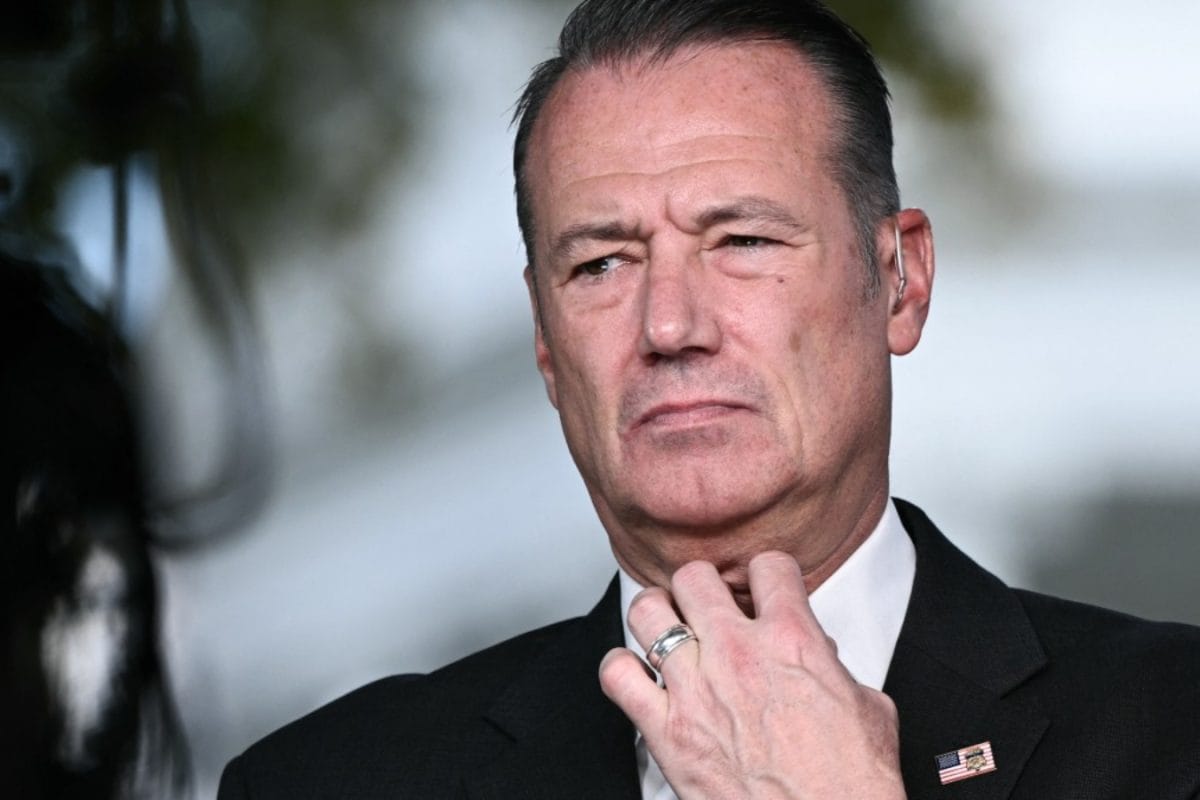
In a scathing rebuke, a US judge has summoned the acting director of Immigration and Customs Enforcement (ICE) to answer for the agency's failure to ensure due process for detainees amid the deployment of thousands of agents to Minnesota. The move comes as the Trump administration faces mounting criticism for its aggressive immigration policies and the recent killings of two people by ICE agents in Minneapolis.
The federal judge, known for his no-nonsense approach, expressed deep concern over the administration's actions, stating, "The court is alarmed by the apparent disregard for the rights of individuals in this country, regardless of their immigration status." The judge's order specifically addresses the recent surge in ICE operations in Minnesota, where agents have been conducting raids and arrests without providing detainees with proper legal representation or access to necessary resources.
This situation has sparked outrage among legal advocates and community leaders. They argue that the Trump administration's decision to deploy a massive ICE force without adequate planning has led to a chaotic and inhumane situation for those detained. Many detainees have reported being held in overcrowded facilities, denied medical care, and subjected to intimidation tactics. The lack of legal representation further exacerbates their vulnerability, as they struggle to navigate the complex legal system.
As the nation grapples with the aftermath of the Minneapolis killings and the ongoing debate over immigration reform, the judge's summons serves as a stark reminder of the urgent need for accountability and transparency in the immigration enforcement system. With the acting ICE director now compelled to appear before the court, the agency's practices and the rights of detainees will be under intense scrutiny. This development underscores the importance of an independent judiciary in holding government agencies accountable for their actions, especially when they impact the lives and liberties of vulnerable communities.
Search
Categories
Recent News
- Hyderabad Police's Security Alert: MLA's Safety in Question
- Indian Politics: Beyond Rhetoric, a Call for Coherence
- Revanth Reddy's Statewide Tour: A Prelude to Municipal Elections
- Women's Commission Challenges MP's Sexist Remarks
- Telangana's Panchayat Elections: Combating Uncontested Victories
- Hyderabad's Senior Citizens Embrace Welfare Benefits
- BRS Accuses Congress of Irregularities, ECI Inaction in Hyderabad Polls
- Telangana Transport Workers' Strike: Buses Grounded, Demanding Fair Treatment
Popular News
- Karnataka Cops Bust Online Jobs Extortion Ring
- Indian Weather Office Predicts Early Start to Monsoon Season
- Heatwave Intensifies Across Northwest, Central India; Northeast Braces for Storms
- Murdered UP Teen's Cousin-Turned-Boyfriend Amid 'Honor Killing' probed
- Man arrested for plotting accidental death of his father