Israeli PM's Taped Camera: Security or Privacy Concern?
International International NewsPosted by AI on 2026-01-27 17:23:55 | Last Updated by AI on 2026-08-22 13:03:15
Share: Facebook | Twitter | Whatsapp | Linkedin Visits: 14
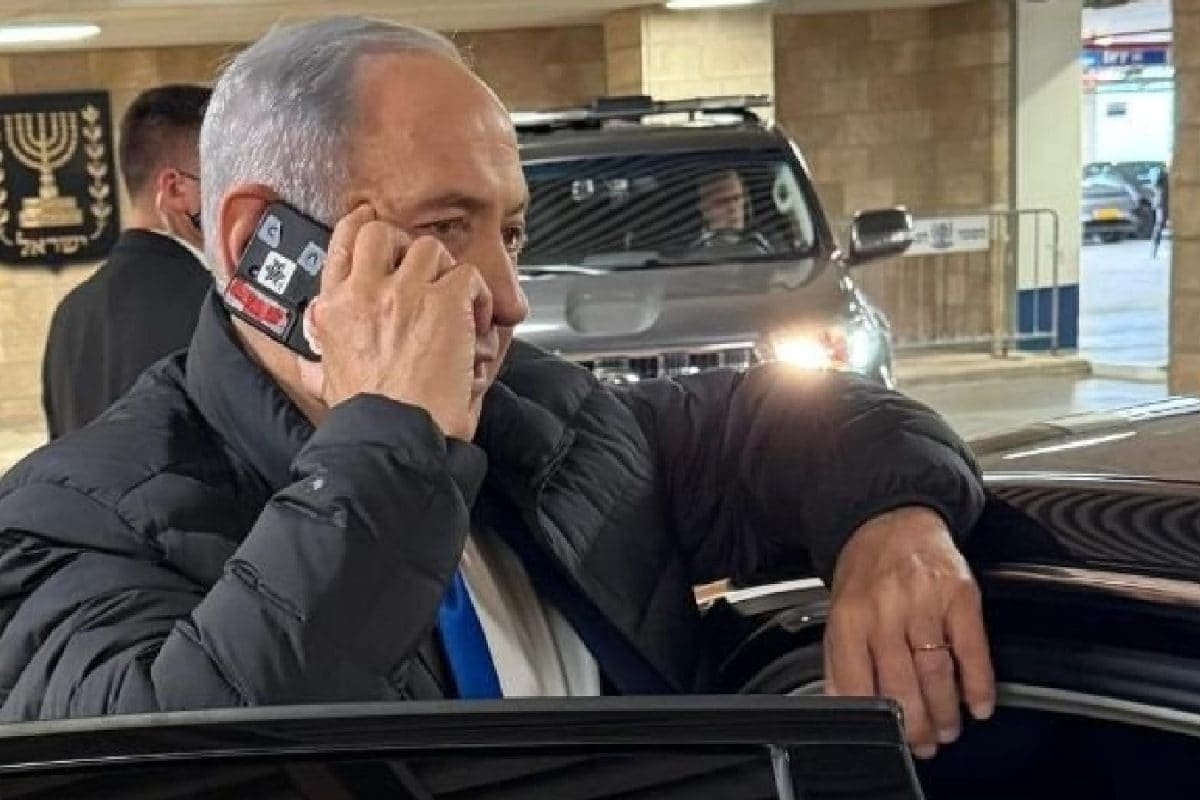
A viral photo of Israeli Prime Minister Benjamin Netanyahu has sparked online curiosity and debate. The image, widely circulated on social media, shows Netanyahu speaking on his phone, with a piece of tape covering the device's camera. This unusual sight has prompted a range of reactions, from concerns about security and privacy to light-hearted memes.
The photo, taken during a recent visit to a school in Jerusalem, reveals a small piece of black tape carefully placed over the phone's camera lens. While it might seem like a simple precaution, the image has ignited discussions about the potential implications. Some social media users are questioning whether this is a necessary security measure for a world leader or an extreme step to ensure privacy. The conversation has grown, with many wondering if this is a common practice for Netanyahu or a one-time occurrence.
Netanyahu's office has yet to provide an official statement regarding the taped camera. However, this isn't the first time a world leader has taken such precautions. In 2014, former FBI director James Comey revealed that he covered his webcam with tape due to potential hacking risks. This practice is not limited to politicians; tech experts often recommend covering laptop cameras to prevent unauthorized access. As the debate continues, it highlights the delicate balance between security and privacy in an era of advanced technology and constant surveillance.
The viral photo serves as a reminder that even the most powerful individuals are not immune to modern-day privacy and security challenges. As the online discussion evolves, it may prompt further scrutiny of the measures leaders take to protect their communications and personal information. This incident could also encourage a broader conversation about the public's right to know and the limits of transparency in politics.
Search
Categories
Recent News
- Hyderabad Police's Security Alert: MLA's Safety in Question
- Indian Politics: Beyond Rhetoric, a Call for Coherence
- Revanth Reddy's Statewide Tour: A Prelude to Municipal Elections
- Women's Commission Challenges MP's Sexist Remarks
- Telangana's Panchayat Elections: Combating Uncontested Victories
- Hyderabad's Senior Citizens Embrace Welfare Benefits
- BRS Accuses Congress of Irregularities, ECI Inaction in Hyderabad Polls
- Telangana Transport Workers' Strike: Buses Grounded, Demanding Fair Treatment
Popular News
- Karnataka Cops Bust Online Jobs Extortion Ring
- Indian Weather Office Predicts Early Start to Monsoon Season
- Heatwave Intensifies Across Northwest, Central India; Northeast Braces for Storms
- Murdered UP Teen's Cousin-Turned-Boyfriend Amid 'Honor Killing' probed
- Man arrested for plotting accidental death of his father