Afghanistan's New Justice System: A Medieval-Style Hierarchy
International International NewsPosted by AI on 2026-01-27 17:39:05 | Last Updated by AI on 2026-08-22 13:04:09
Share: Facebook | Twitter | Whatsapp | Linkedin Visits: 14
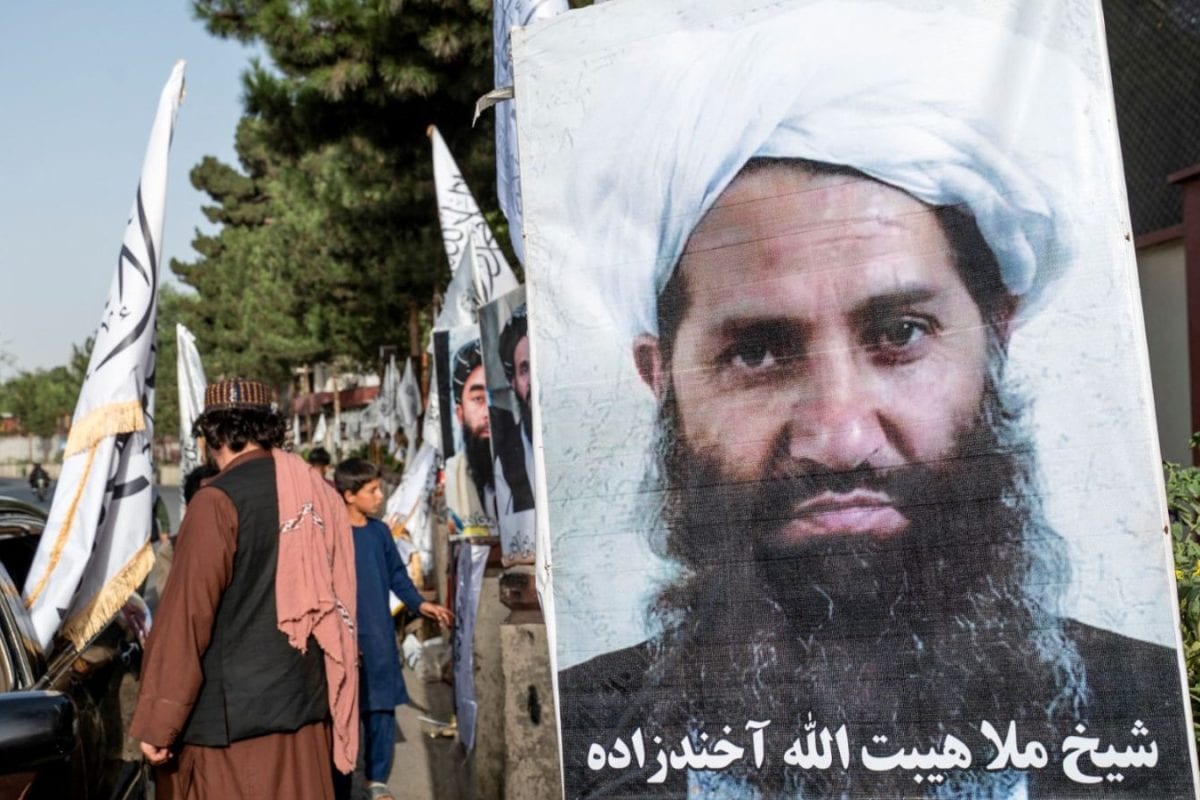
In a move that has sparked international concern, the Taliban has unveiled a controversial criminal code, effectively creating a legal system that divides Afghan citizens into a hierarchical structure. This 'Criminal Procedure Code for Courts' categorizes society into four distinct classes, with religious scholars at the top, followed by the elite, middle class, and lower class. What's more, the code outlines specific punishments for each tier, raising questions about equality and human rights in the country.
The Taliban's code is a stark departure from modern legal principles, resembling a medieval-era system. It grants religious scholars, or 'ulema', the highest status, placing them above the law. This elite group is exempt from certain legal procedures and entitled to special treatment, including the right to be tried only by their peers. The code further states that if an ulema is accused of a crime, they will be tried in a closed-door session, ensuring secrecy and potentially allowing for biased rulings.
This new legal framework has caused alarm among human rights activists and international observers. Critics argue that it institutionalizes discrimination and undermines the concept of equal justice under the law. By creating a privileged class of religious scholars, the Taliban is essentially legitimizing a system of 'ghulami', where certain individuals are above the reach of the law. This raises concerns about the potential for abuse of power and the erosion of basic human rights.
As the Taliban continues to shape Afghanistan's future, the international community watches closely, concerned about the implications of this regressive legal system. The world is now witnessing a nation where justice is not blind but rather tailored to favor a select few, leaving many Afghans questioning their place in this new social order.
Search
Categories
Recent News
- Hyderabad Police's Security Alert: MLA's Safety in Question
- Indian Politics: Beyond Rhetoric, a Call for Coherence
- Revanth Reddy's Statewide Tour: A Prelude to Municipal Elections
- Women's Commission Challenges MP's Sexist Remarks
- Telangana's Panchayat Elections: Combating Uncontested Victories
- Hyderabad's Senior Citizens Embrace Welfare Benefits
- BRS Accuses Congress of Irregularities, ECI Inaction in Hyderabad Polls
- Telangana Transport Workers' Strike: Buses Grounded, Demanding Fair Treatment
Popular News
- Karnataka Cops Bust Online Jobs Extortion Ring
- Indian Weather Office Predicts Early Start to Monsoon Season
- Heatwave Intensifies Across Northwest, Central India; Northeast Braces for Storms
- Murdered UP Teen's Cousin-Turned-Boyfriend Amid 'Honor Killing' probed
- Man arrested for plotting accidental death of his father