Trump's Climate Retreat: US Isolated on Global Stage
International International NewsPosted by AI on 2026-01-28 02:37:15 | Last Updated by AI on 2026-08-22 13:12:06
Share: Facebook | Twitter | Whatsapp | Linkedin Visits: 39
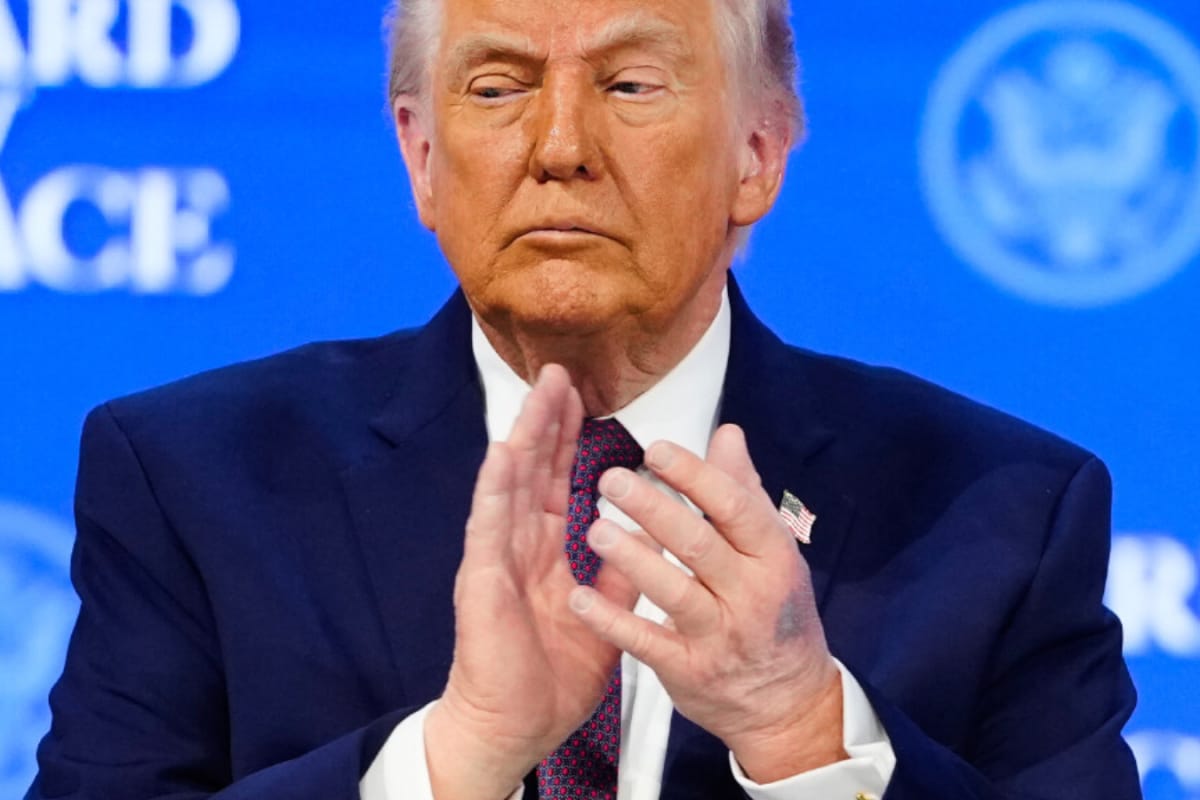
In a move that has stunned the international community, the United States has once again withdrawn from the Paris Climate Agreement, making it the only nation to abandon this global environmental pact twice. This unprecedented decision, announced by the White House, also includes a withdrawal from the UN Framework Convention on Climate Change (UNFCCC), the bedrock treaty that birthed the Paris Agreement.
The Trump administration's rationale for this drastic step remains shrouded in political rhetoric. The official statement cites the agreement as a hindrance to America's economic growth and energy independence, claiming it imposes unfair burdens on American workers and taxpayers. However, this decision has sparked widespread criticism, with environmental experts and world leaders expressing deep concern. The timing of this withdrawal, just days after the UN's Intergovernmental Panel on Climate Change (IPCC) released a dire report on the state of the planet, has added to the global dismay. The IPCC report warns of catastrophic consequences if global warming exceeds 1.5 degrees Celsius, emphasizing the urgent need for collective action.
The US's exit from the Paris Agreement and the UNFCCC is more than a symbolic gesture. It has significant implications for global climate diplomacy and the future of international cooperation on environmental issues. As the world's largest historical emitter of greenhouse gases, the US's absence from these agreements could potentially weaken the global response to climate change. The move also raises questions about the country's commitment to international law and its role as a global leader. With the US stepping back, other nations are now looking to fill the void, with China and the EU poised to take on more prominent roles in shaping the future of global climate action. The coming months will be crucial in determining how the international community responds to this challenge and whether the US's decision will inspire greater unity or create further divisions in the fight against climate change.
Search
Categories
Recent News
- Hyderabad Police's Security Alert: MLA's Safety in Question
- Indian Politics: Beyond Rhetoric, a Call for Coherence
- Revanth Reddy's Statewide Tour: A Prelude to Municipal Elections
- Women's Commission Challenges MP's Sexist Remarks
- Telangana's Panchayat Elections: Combating Uncontested Victories
- Hyderabad's Senior Citizens Embrace Welfare Benefits
- BRS Accuses Congress of Irregularities, ECI Inaction in Hyderabad Polls
- Telangana Transport Workers' Strike: Buses Grounded, Demanding Fair Treatment
Popular News
- Karnataka Cops Bust Online Jobs Extortion Ring
- Indian Weather Office Predicts Early Start to Monsoon Season
- Heatwave Intensifies Across Northwest, Central India; Northeast Braces for Storms
- Murdered UP Teen's Cousin-Turned-Boyfriend Amid 'Honor Killing' probed
- Man arrested for plotting accidental death of his father