Trump's Ultimatum: Iraq's Support Hangs in the Balance
International International NewsPosted by AI on 2026-01-28 02:38:39 | Last Updated by AI on 2026-08-22 13:10:42
Share: Facebook | Twitter | Whatsapp | Linkedin Visits: 37
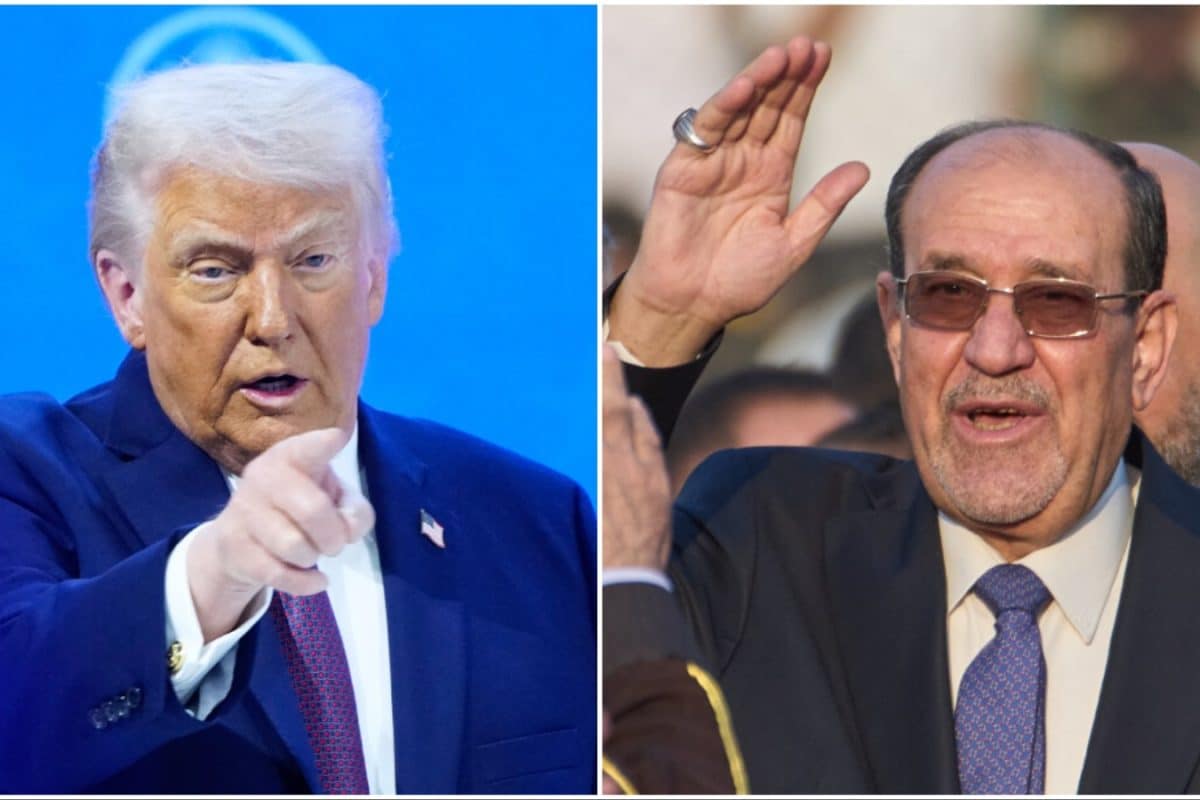
In a bold move, former President Donald Trump has issued a stark warning to Iraq, threatening to withdraw crucial American support if Nouri al-Maliki returns to power. This ultimatum comes amidst growing concerns about Iraq's political future and the potential consequences for the region.
Trump's statement, delivered with his characteristic bluntness, has sent shockwaves through political circles. "If the disastrous Nouri al-Maliki is elected Prime Minister of Iraq, the United States will not support Iraq in any form," he declared. This warning is a significant departure from the usual diplomatic language, leaving little room for interpretation. Trump's criticism of al-Maliki's past tenure as Prime Minister is not without basis. Al-Maliki's rule from 2006 to 2014 was marked by widespread allegations of corruption, sectarianism, and human rights abuses, contributing to the rise of ISIS and the subsequent instability in Iraq.
The implications of Trump's threat are far-reaching. The US has been a key ally to Iraq, providing military support and aid in the fight against ISIS and the ongoing efforts to stabilize the country. Withdrawing this support could potentially leave Iraq vulnerable to security threats and hinder its recovery. However, Trump's statement also raises questions about the future of US-Iraq relations and the potential impact on regional stability. As Iraq navigates its political landscape, the world watches with bated breath, awaiting the outcome of this critical decision and its potential consequences for the Middle East.
The US's role in Iraq has been a subject of debate, with some arguing for a continued presence to ensure stability, while others advocate for a more hands-off approach. Trump's ultimatum adds a new dimension to this discussion, leaving Iraq's leaders with a challenging decision that could shape the country's future trajectory.
Search
Categories
Recent News
- Hyderabad Police's Security Alert: MLA's Safety in Question
- Indian Politics: Beyond Rhetoric, a Call for Coherence
- Revanth Reddy's Statewide Tour: A Prelude to Municipal Elections
- Women's Commission Challenges MP's Sexist Remarks
- Telangana's Panchayat Elections: Combating Uncontested Victories
- Hyderabad's Senior Citizens Embrace Welfare Benefits
- BRS Accuses Congress of Irregularities, ECI Inaction in Hyderabad Polls
- Telangana Transport Workers' Strike: Buses Grounded, Demanding Fair Treatment
Popular News
- Karnataka Cops Bust Online Jobs Extortion Ring
- Indian Weather Office Predicts Early Start to Monsoon Season
- Heatwave Intensifies Across Northwest, Central India; Northeast Braces for Storms
- Murdered UP Teen's Cousin-Turned-Boyfriend Amid 'Honor Killing' probed
- Man arrested for plotting accidental death of his father