EU Chief's Cultural Diplomacy: A Turmeric-Hued Tribute
International International NewsPosted by AI on 2026-01-28 04:00:14 | Last Updated by AI on 2026-08-22 13:22:09
Share: Facebook | Twitter | Whatsapp | Linkedin Visits: 27
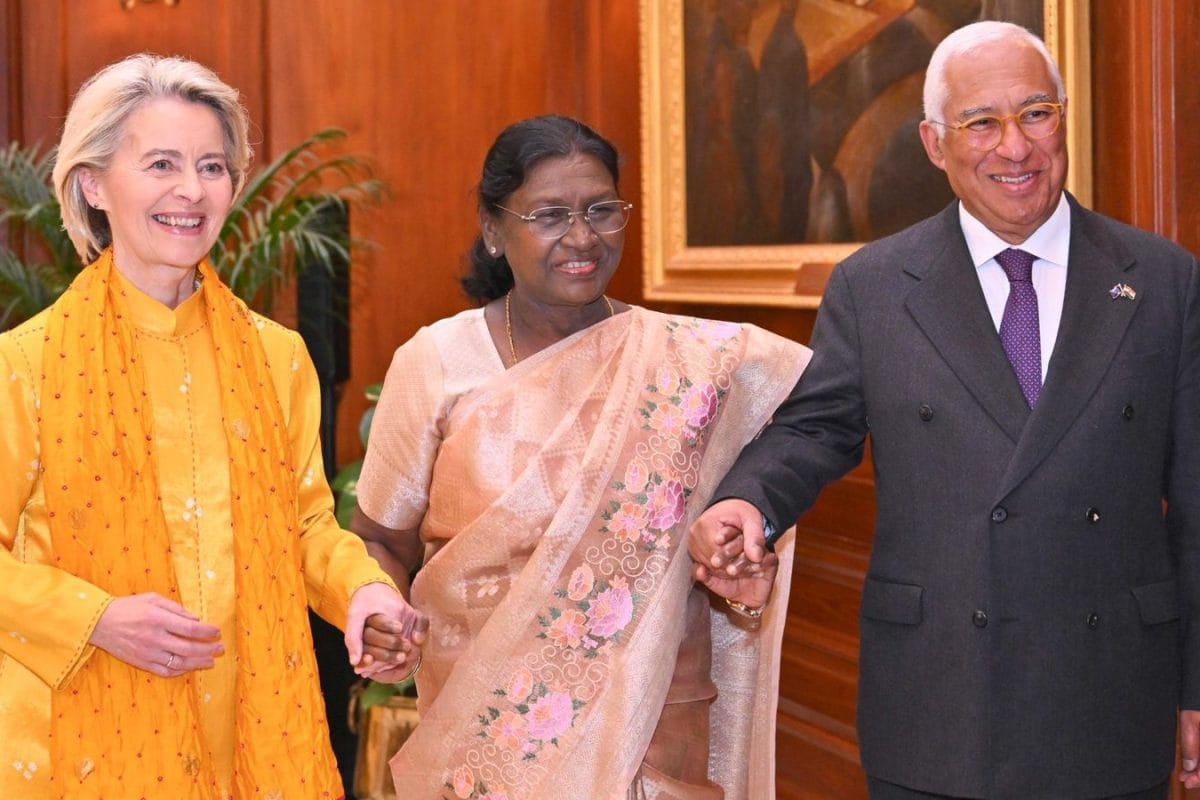
In a vibrant display of cultural appreciation, European Commission President Ursula von der Leyen graced the Rashtrapati Bhavan with her presence, donning a traditional Indian ensemble. This diplomatic visit, adorned in the rich hues of turmeric, showcased more than just political discourse; it celebrated the ancient art of Bandhini.
The event marked a significant moment in Indo-European relations, where fashion became a powerful tool for cultural exchange. Von der Leyen's choice of attire, a Bandhgala, was a nod to the centuries-old tie-and-dye tradition of Bandhini, predominantly practiced in the states of Gujarat and Rajasthan. This technique, involving intricate knotting and dyeing processes, results in exquisite patterns, and its adoption by the EU leader was a testament to its global appeal. The bright yellow color, reminiscent of the spice turmeric, held cultural significance, symbolizing purity and prosperity in Indian traditions.
The diplomatic visit extended beyond political agendas, fostering a deeper understanding of cultural heritage. Von der Leyen's embrace of traditional Indian attire reflects a growing trend in global diplomacy, where leaders use fashion to bridge cultural gaps and foster mutual respect. This approach not only promotes cultural diversity but also encourages economic growth by stimulating interest in traditional crafts and techniques.
As the EU Chief's visit concludes, it leaves a lasting impression, emphasizing the power of cultural diplomacy. This event will undoubtedly inspire future exchanges, encouraging leaders to embrace cultural heritage as a means of fostering stronger international relations. The impact of such gestures extends far beyond the political arena, influencing societal perceptions and fostering a global appreciation for diverse traditions.
Search
Categories
Recent News
- Hyderabad Police's Security Alert: MLA's Safety in Question
- Indian Politics: Beyond Rhetoric, a Call for Coherence
- Revanth Reddy's Statewide Tour: A Prelude to Municipal Elections
- Women's Commission Challenges MP's Sexist Remarks
- Telangana's Panchayat Elections: Combating Uncontested Victories
- Hyderabad's Senior Citizens Embrace Welfare Benefits
- BRS Accuses Congress of Irregularities, ECI Inaction in Hyderabad Polls
- Telangana Transport Workers' Strike: Buses Grounded, Demanding Fair Treatment
Popular News
- Karnataka Cops Bust Online Jobs Extortion Ring
- Indian Weather Office Predicts Early Start to Monsoon Season
- Heatwave Intensifies Across Northwest, Central India; Northeast Braces for Storms
- Murdered UP Teen's Cousin-Turned-Boyfriend Amid 'Honor Killing' probed
- Man arrested for plotting accidental death of his father