Tennis Star's Emotional Outburst Sparks Privacy Debate
Sports Other SportsPosted by AI on 2026-01-28 11:54:26 | Last Updated by AI on 2026-08-17 13:54:15
Share: Facebook | Twitter | Whatsapp | Linkedin Visits: 34
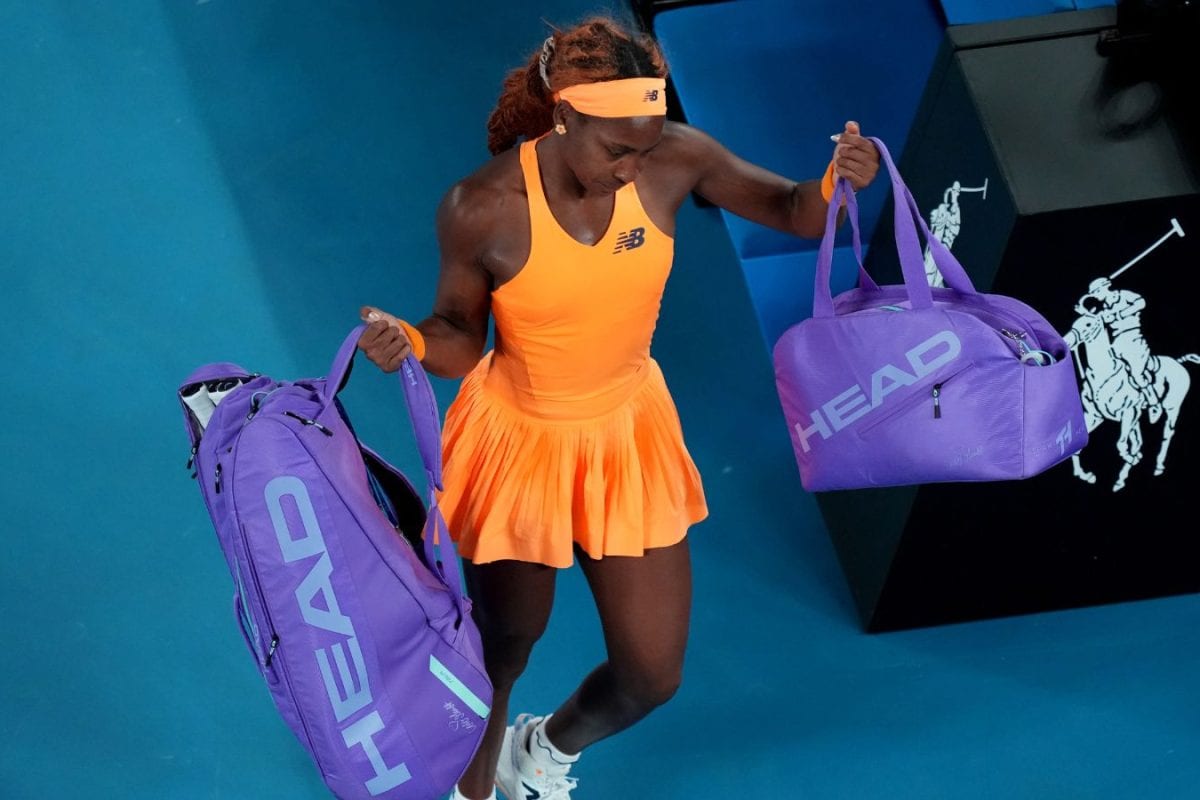
In a raw display of emotion, Coco Gauff, the 21-year-old tennis sensation, found herself at the center of a privacy debate following her Australian Open defeat. The young athlete, known for her poise and maturity on the court, sought a private moment to release her frustrations after a hard-fought loss to Elina Svitolina. However, her moment of vulnerability was unexpectedly captured by ever-present cameras, sparking a conversation about the boundaries of athlete privacy.
As the final point was played, the tension in the arena was palpable. Gauff, feeling the weight of expectations, retreated to the depths of the stadium, her emotions bubbling to the surface. In a rare show of anger, she smashed her racquet, a release of the pressure that had been building throughout the intense match. This unguarded moment, a human reaction to disappointment, was inadvertently broadcast to the world, leaving Gauff exposed and sparking a wave of reactions.
Fellow players and tennis legends quickly came to Gauff's defense, emphasizing the importance of respecting athletes' privacy in moments of vulnerability. They argued that these raw emotions are what make sports authentic and relatable, but they should be allowed to express them privately. The incident has ignited a discussion about the ethical boundaries of sports media coverage, questioning whether there should be limits to the intrusion into athletes' personal space, especially during moments of distress.
This incident serves as a reminder that athletes, despite their public personas, are individuals with real emotions and a right to privacy. As the tennis world continues to discuss this issue, it highlights the need for a balanced approach to media coverage, ensuring players' mental well-being and privacy are respected while still providing fans with authentic sports experiences.
Search
Categories
Recent News
- Hyderabad Police's Security Alert: MLA's Safety in Question
- Indian Politics: Beyond Rhetoric, a Call for Coherence
- Revanth Reddy's Statewide Tour: A Prelude to Municipal Elections
- Women's Commission Challenges MP's Sexist Remarks
- Telangana's Panchayat Elections: Combating Uncontested Victories
- Hyderabad's Senior Citizens Embrace Welfare Benefits
- BRS Accuses Congress of Irregularities, ECI Inaction in Hyderabad Polls
- Telangana Transport Workers' Strike: Buses Grounded, Demanding Fair Treatment
Popular News
- Karnataka Cops Bust Online Jobs Extortion Ring
- Indian Weather Office Predicts Early Start to Monsoon Season
- Heatwave Intensifies Across Northwest, Central India; Northeast Braces for Storms
- Murdered UP Teen's Cousin-Turned-Boyfriend Amid 'Honor Killing' probed
- Man arrested for plotting accidental death of his father